
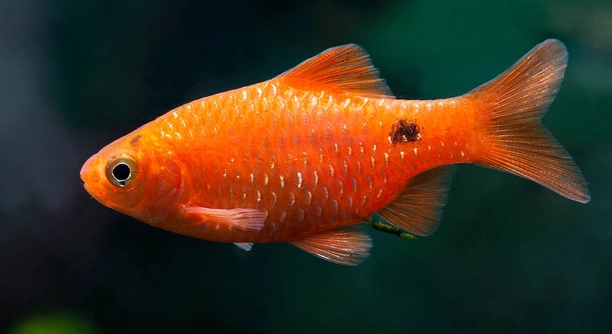
Are your rosy barbs spending more time sitting at the bottom of the tank than swimming around like usual? Changes in behavior can be concerning, especially when they seem less energetic than normal. Understanding the reasons behind this shift is important.
Lethargy in rosy barbs is most commonly caused by poor water quality, inappropriate temperature, or underlying health issues. Stress, overcrowding, and dietary deficiencies can also contribute to reduced activity and general sluggishness in these active freshwater fish.
Learning what affects their energy levels will help you create a healthier environment and support their natural behavior in the long run.
Common Reasons for Lethargy in Rosy Barbs
When rosy barbs start acting lethargic, the first thing to check is the tank environment. Poor water quality is a major factor. High levels of ammonia, nitrites, or nitrates can quickly impact their health. Use a reliable water testing kit to check levels and do water changes if needed. Another reason could be the water temperature. Rosy barbs thrive in temperatures between 72°F and 78°F. If the tank is too cold or too warm, their metabolism slows, leading to low activity. Stress also plays a role. Overcrowding, sudden changes, or aggressive tank mates can leave them feeling unsettled. Illness is another possibility—internal parasites, infections, or injuries can all reduce their movement. Finally, look at their diet. A lack of variety or proper nutrients may cause weakness over time. Observing behavior and making careful changes can often lead to noticeable improvement in just a few days.
Lethargy is often a sign that something in their setup or care routine needs to be adjusted.
A healthy rosy barb is constantly swimming, exploring, and reacting to its environment. If you see the opposite, it’s important to act quickly. They’re hardy fish, but they rely on stable, clean conditions and balanced nutrition to stay active and healthy.
When to Worry and What to Do
If your rosy barb stays at the bottom of the tank, refuses to eat, or isolates itself for more than a day or two, it may need treatment.
In cases where water parameters, temperature, and diet are in good shape but the fish is still lethargic, you might be looking at an illness. Parasitic infections, such as ich or internal worms, are common in freshwater fish and can cause fatigue. Symptoms may include clamped fins, white spots, or stringy waste. A quarantine tank can help isolate the fish for treatment. Use medications carefully and follow directions based on what symptoms you’re observing. If you’re unsure, many pet stores offer guidance or you can speak to an aquatic vet. Besides medical care, improving their environment can make a big difference. Add plants or hiding spots to reduce stress. Make sure your filtration system is working well and avoid sudden tank changes. Small steps can lead to better health and happier fish, especially when the problem is caught early.
How Tank Conditions Affect Behavior
Poor tank conditions are one of the most common reasons for sudden behavior changes. Rosy barbs need clean water, steady temperatures, and plenty of space to stay active and healthy.
Ammonia and nitrite should always be at zero, while nitrate should stay below 40 ppm. Weekly water changes and a properly sized filter are essential. Use a thermometer to monitor the temperature daily, keeping it within the ideal range of 72°F to 78°F. Avoid placing the tank in direct sunlight or near vents, as this can cause fluctuations. Overcrowding is another issue to watch. These fish are active swimmers and do best in groups of at least five with enough space to move around. A tank size of 30 gallons or more helps reduce stress and supports better behavior. Poor lighting, loud noises, and frequent disturbances can also lead to withdrawal or low activity levels.
Tank maintenance isn’t just about cleaning—it directly impacts how your rosy barbs feel and behave. Clean water with steady parameters helps reduce disease and improves their overall energy. Even slight changes, like adjusting lighting or rearranging decorations, can help make them feel safer and more at ease in their space.
The Role of Diet and Feeding Habits
Rosy barbs need a varied and balanced diet to stay active. Feeding them the same dry flakes every day may not give them the energy they need to thrive.
A good routine includes quality flake food, along with occasional treats like frozen or live brine shrimp, daphnia, or bloodworms. These protein-rich options help maintain strength and encourage natural behavior. Vegetables like blanched spinach or peas can also support digestion and prevent bloating. Avoid overfeeding—they should only eat what they can finish in about two minutes. Uneaten food can rot and lower water quality, which then leads to more problems. Feeding once or twice a day works well for most tanks. It’s also helpful to watch them eat—healthy rosy barbs are usually eager at mealtime, and loss of appetite can be an early sign of stress or illness.
Keeping track of what and how often they eat gives you a better idea of their health. If they start ignoring food or spit it out, it might be time to check water quality or watch for other signs. A healthy appetite usually means they’re feeling good. Making small changes to their diet can boost energy and help restore normal behavior over time.
Stress Triggers to Watch For
Loud noises, frequent tank movements, or sudden changes in lighting can cause stress. Rosy barbs are sensitive to their surroundings and may become lethargic when they feel unsafe or startled too often.
Adding aggressive tank mates or changing tank decorations too often can also trigger stress. These changes may seem small, but they can disrupt their comfort and affect their energy levels.
When It Might Be Illness
If your rosy barb remains sluggish despite clean water, good food, and a calm tank, illness might be the reason. Internal parasites, bacterial infections, or swim bladder issues can all cause low energy. Common signs include faded colors, clamped fins, white spots, or unusual swimming patterns. Some illnesses progress slowly, so behavior changes are often the first clue. Isolating the fish in a separate tank allows for closer observation and treatment if needed. Using the correct medication is important, so always match it to the symptoms. Acting early helps improve recovery chances and prevents the illness from spreading to other fish.
Final Thoughts Before Making Changes
Watch closely and make changes one at a time. That way, you can tell what’s helping and avoid stressing them even more.
FAQ
Why is my rosy barb hiding more than usual?
Hiding can be a sign of stress, fear, or illness. If the tank has aggressive tank mates, too much noise, or sudden lighting changes, your rosy barb may retreat to feel safe. Also, if water parameters are off or the temperature is too low, they may become less social and prefer to stay out of sight. Adding more plants or hiding spots can help them feel secure, but it’s important to rule out health issues or stress from poor tank conditions. Watch for other signs like loss of appetite or strange swimming.
Can poor water quality really make my fish act tired?
Yes, even small imbalances can impact their energy levels. Ammonia and nitrite should always be at zero. High nitrate levels or sudden shifts in pH can cause stress, illness, or lethargy. Rosy barbs are tough but sensitive to their environment. Dirty filters, leftover food, and overcrowding all contribute to water problems. Use a good test kit weekly and do regular water changes. Clear water doesn’t always mean healthy water, so checking levels is important. Making sure your filter works well and avoiding overfeeding helps maintain better water quality in the long run.
What temperature is best for rosy barbs?
The ideal range is between 72°F and 78°F. If the water is too cold, their metabolism slows, which makes them less active. If it’s too hot, they may become stressed and more prone to illness. Keep a thermometer in the tank and check it daily. Avoid placing the tank near windows, radiators, or vents that can cause temperature swings. A reliable heater with a thermostat helps maintain steady conditions. Fluctuations are just as harmful as incorrect temperatures, so stability is key. When adjusting the temperature, do it gradually to avoid shock.
Do rosy barbs need to be in groups to stay active?
Yes, they are social fish and feel more comfortable in groups. Keeping them in schools of at least five helps reduce stress and encourages natural, active behavior. A single rosy barb or a pair may become shy, anxious, or withdrawn. They rely on each other for social cues and feel safer swimming together. If you notice one being picked on or left out, check for bullying or imbalance in the group. A larger tank with proper hiding places and space to swim can support a healthy school and reduce tension.
How do I know if my fish is sick or just resting?
Fish rest occasionally, usually near the bottom or in calmer areas of the tank. This is normal and shouldn’t last all day. If your rosy barb is consistently inactive, breathing heavily, not eating, or showing other changes like color fading or clamped fins, it could be sick. Sudden behavior changes that last longer than a day should be checked. Quarantining the fish for close observation helps. Watch for any visible signs like spots, swelling, or unusual movement. Early signs of illness can be subtle, so staying alert is important.
Can lighting affect how active my rosy barbs are?
Yes, lighting plays a role in their daily behavior. Too much brightness or long exposure can stress them. Aim for 8–10 hours of light per day, mimicking a natural cycle. Sudden on-off switches can startle fish, so consider using a timer or a gradual light option. If your fish stay hidden or act nervous when the lights are on, try reducing intensity or adding floating plants for shade. On the other hand, very dim lighting may reduce activity as well. Balanced lighting helps them feel more at ease and active.
What should I do if only one fish seems lethargic?
If just one rosy barb is acting off, isolate it in a separate tank to monitor it more closely. This helps prevent any possible illness from spreading and allows you to treat symptoms more easily. Check for signs like spots, bloating, or unusual waste. Look at water parameters in both tanks, including temperature. Sometimes a fish can be bullied or excluded from the group, which leads to stress and low energy. If that’s the case, rearranging the tank or adding more space can help. Acting early improves the chances of recovery.
Final Thoughts
Rosy barbs are usually lively, social fish that enjoy swimming in groups. So when they start acting lethargic, it’s a sign that something may be off in their environment or health. It can be frustrating to see them slow down or hide more than usual, but small changes in care can make a big difference. Clean water, steady temperature, and a balanced diet are the foundation of their well-being. Sometimes the problem is as simple as a minor temperature drop, while other times, it may be related to stress or early signs of illness.
Watching your fish closely is one of the best things you can do. They can’t tell you when something’s wrong, but their behavior gives important clues. Changes in appetite, swimming patterns, or energy levels should never be ignored. If you catch a problem early—like poor water quality or bullying from another fish—you can usually correct it before it gets worse. Quarantining a sick fish, doing more frequent water tests, or even adjusting your feeding routine can all help get them back on track. These little steps often prevent bigger issues and help keep the whole tank healthier.
Caring for rosy barbs doesn’t have to be complicated. With regular maintenance and observation, you’ll learn to spot small changes quickly. Their behavior is often a reflection of the tank as a whole, so if one fish seems off, it’s worth checking the environment, feeding habits, and tank dynamics. It’s also a reminder that fish are living animals with needs that go beyond just food and water. Giving them the right care creates a better, more peaceful space for them to live. When rosy barbs are happy and healthy, they are full of color and activity—and that’s what makes them such a joy to keep.

Hello,
If you enjoy the content that we create, please consider saying a "Thank You!" by leaving a tip.
Every little bit helps us continue crafting quality advice that supports the health, happiness, and well-being of pets around the world, for pets of all shapes, sizes, and species.
We really appreciate the kindness and support that you show us!