
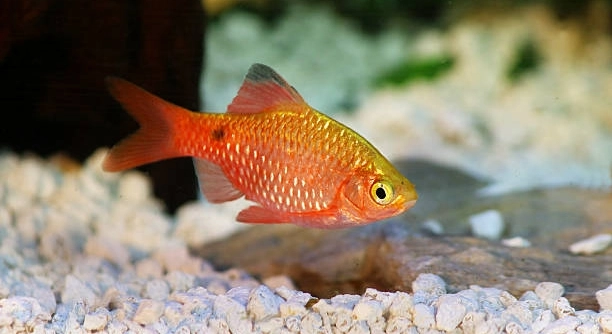
Do you keep rosy barbs in your aquarium and wonder if they recognize one another? These colorful fish often swim in groups, creating a lively underwater community. Their behavior can seem friendly and social to many fishkeepers.
Rosy barbs do recognize each other through visual cues and familiar swimming patterns. They form social bonds within their groups, which helps reduce stress and promote cooperative behavior in their shared environment.
Understanding how rosy barbs interact can improve how you care for them and create a more harmonious tank atmosphere. Their social nature is more complex than it may first appear.
How Rosy Barbs Identify Each Other
Rosy barbs use several ways to recognize one another in their group. Their bright colors and specific patterns help them tell fish apart. Movement also plays a big role. When they swim in certain ways, it signals familiarity. Fish that swim closely together tend to be more comfortable with each other. Their eyes and body language are tools for recognition. These fish rely on these signals to keep their group tight. In aquariums, you may notice them schooling or resting near specific fish. This shows they remember who they are. The environment also affects recognition. If the tank is crowded or murky, it can make it harder for rosy barbs to identify each other. Clear water and enough space help them maintain their social bonds. This recognition improves their sense of safety and helps reduce fights.
Fish also use smell and chemical signals, though vision remains the main method.
Rosy barbs show less stress when they recognize their group, which helps them stay healthy and active.
Social Behavior in Rosy Barbs
Rosy barbs often swim together in schools to feel safe. This group behavior lowers their risk of being stressed or threatened. They keep close to others they recognize and trust. If a fish is new or unfamiliar, it may be left out or treated differently. Rosy barbs have simple social hierarchies, where some fish lead while others follow. This helps keep peace in the group. When they feel comfortable, they show playful swimming and chasing, which strengthens their bonds. Their ability to recognize each other plays a big role in how well the group functions. Without this, they might become anxious or aggressive. Understanding their social needs can help you create a calm and happy aquarium where rosy barbs thrive.
Recognizing Rosy Barbs in the Tank
Rosy barbs rely mainly on their bright colors and movement patterns to recognize each other. These visual signals are key in keeping their social bonds strong.
Color variations help distinguish individuals, especially in well-lit tanks. Their unique swimming styles also send signals to others in the group. When a fish moves differently, it might be seen as unfamiliar. Over time, rosy barbs remember these patterns and develop recognition. This helps reduce stress and aggression in the tank. The clearer the water and the less crowded the tank, the easier it is for them to use these visual cues effectively. Without this, their social structure may weaken, leading to tension.
When new fish are introduced, they often take time to be accepted as their colors and movements become familiar. Gradually, they blend into the group and form bonds through these shared signals.
How Environment Affects Recognition
Tank conditions like water clarity and space impact how well rosy barbs recognize each other. Clear water allows them to see colors and movements without trouble. Poor lighting or murky water can make recognition harder and cause stress.
A spacious tank lets rosy barbs swim freely and interact naturally. Crowded or small tanks limit their ability to maintain social distance. This can lead to confusion and conflicts as fish struggle to identify one another. Proper tank maintenance, such as regular cleaning and appropriate lighting, supports their recognition skills. Setting up hiding spots also helps fish feel safe and strengthens social bonds by giving them places to rest and regroup. Creating the right environment is key to keeping rosy barbs calm and connected.
Signs of Recognition Among Rosy Barbs
Rosy barbs swim closer to familiar fish, showing comfort and trust. They often mirror each other’s movements in the group.
They may also avoid fish they don’t recognize. This cautious behavior helps keep the group safe from threats.
Effects of Group Size on Recognition
In larger groups, rosy barbs recognize fewer individuals but still form smaller clusters within the school. This creates mini-groups that interact more closely. In smaller groups, every fish tends to know each other better, leading to stronger social bonds. Group size impacts how they communicate and maintain peace. When groups grow too large, it can cause stress and reduce recognition accuracy, making the fish less social and more anxious. Maintaining a balanced group size helps keep rosy barbs healthy and comfortable.
Helping New Rosy Barbs Adjust
Introducing new rosy barbs slowly helps them get recognized. Keeping the group stable reduces stress.
Do rosy barbs recognize each other immediately?
Rosy barbs do not recognize new tank mates right away. It usually takes time for them to learn the colors, shapes, and swimming patterns of each fish. This process can last several days to weeks, depending on the size of the group and tank conditions. During this time, fish may keep their distance or show some mild signs of stress. Once recognition happens, they start swimming closer and acting more relaxed around each other.
How do rosy barbs communicate recognition?
They use visual cues like body color and movement. Swimming together in sync or following one another is a sign of recognition. They may also avoid fish they don’t know well to reduce potential conflicts. Although they don’t have complex vocalizations, their body language plays a big role in how they communicate.
Can rosy barbs recognize individual fish or just general group members?
Rosy barbs tend to recognize individual fish within their group, especially in smaller schools. In larger groups, they may only recognize smaller clusters or familiar neighbors rather than every single fish. Individual recognition helps reduce aggression and maintain social bonds.
Does water quality affect their ability to recognize each other?
Yes, water clarity and lighting impact recognition a lot. Clear, well-lit water helps rosy barbs see colors and patterns clearly. Murky water or poor lighting can make it harder for them to identify group members, which may cause stress or aggression.
Do rosy barbs use senses other than sight to recognize each other?
While vision is the main sense they rely on, rosy barbs also use smell and chemical signals to some extent. These senses help confirm identity when visual cues are unclear. However, they are less important than sight.
How does group size influence recognition among rosy barbs?
Smaller groups allow rosy barbs to recognize every member more easily, leading to stronger social bonds. In larger groups, fish form smaller subgroups to maintain familiarity. Very large groups can cause confusion and stress because fish struggle to keep track of many individuals.
What happens if a new rosy barb is introduced to an established group?
New fish are often met with caution or mild aggression until recognized. The group needs time to accept the newcomer. Introducing the fish slowly and providing enough space can help reduce stress and allow recognition to develop naturally.
Can rosy barbs forget each other if separated for a long time?
There is no clear evidence that rosy barbs remember specific fish after long separation. They mainly rely on current visual and chemical cues. If fish are apart for too long, they might treat each other as strangers when reunited.
How can I help my rosy barbs recognize each other better?
Keep the tank clean and well-lit so they can see each other clearly. Avoid overcrowding to reduce stress. Introduce new fish slowly and watch for signs of aggression. Creating hiding spots helps fish feel safe and supports positive social interactions.
Does stress affect recognition in rosy barbs?
Yes, stressed fish may have trouble recognizing others. Stress from poor water quality, overcrowding, or aggressive tank mates can cause confusion and make social bonds weaker. Managing the environment well helps keep rosy barbs calm and able to recognize one another.
Are rosy barbs aggressive if they don’t recognize each other?
Unfamiliar fish may face mild aggression as part of establishing territory or hierarchy. Once recognition forms, aggression usually decreases. However, some individuals can remain territorial. Keeping stable groups reduces these issues.
Is it necessary for rosy barbs to recognize each other for their health?
Recognition supports social bonds, which lowers stress and improves health. Fish that feel safe and accepted tend to eat better, swim actively, and avoid disease. Recognition is important for a peaceful tank environment.
Can rosy barbs recognize other species?
They primarily recognize their own kind through specific signals. While they notice other species in the tank, they don’t form strong recognition bonds with them. Their social behavior focuses on members of their own species.
How long does it take for rosy barbs to feel comfortable in a new tank?
Comfort levels depend on tank conditions and group size. Usually, it takes a few days to a few weeks for rosy barbs to adjust and recognize tank mates. Providing a stable environment speeds up this process.
What are signs that rosy barbs have recognized each other?
Signs include swimming closely together, synchronized movements, reduced chasing, and resting near one another. Fish will also show fewer signs of stress, such as hiding or rapid breathing, when they feel secure in their group.
Rosy barbs are social fish that benefit greatly from recognizing each other in their group. This ability helps them stay calm and safe in their environment. When they know who belongs in their tank, they show less stress and aggression. Recognition is mostly based on seeing colors, patterns, and swimming behaviors. These simple signals allow rosy barbs to form bonds and swim comfortably together. A clear and spacious tank makes this process easier for them, helping to keep their social structure strong.
The way rosy barbs interact changes depending on their group size and environment. Smaller groups tend to form closer relationships because every fish gets to know the others better. In larger groups, they may only recognize smaller clusters within the school, which still helps reduce conflicts. Water quality and lighting also play an important role in how well they can see and identify one another. Poor conditions can cause confusion and stress, leading to more fights and anxiety. By providing good tank conditions and a balanced group size, you help rosy barbs keep their social bonds healthy.
Introducing new fish requires patience, as it takes time for rosy barbs to accept unfamiliar tank mates. Slowly adding new fish and giving them space lowers stress and helps recognition grow naturally. Creating hiding spots and keeping the water clean supports peaceful interactions. In the end, understanding how rosy barbs recognize each other can improve their well-being and make your aquarium a calmer place. Paying attention to their behavior and environment leads to a happier, healthier group of fish.

Hello,
If you enjoy the content that we create, please consider saying a "Thank You!" by leaving a tip.
Every little bit helps us continue crafting quality advice that supports the health, happiness, and well-being of pets around the world, for pets of all shapes, sizes, and species.
We really appreciate the kindness and support that you show us!