
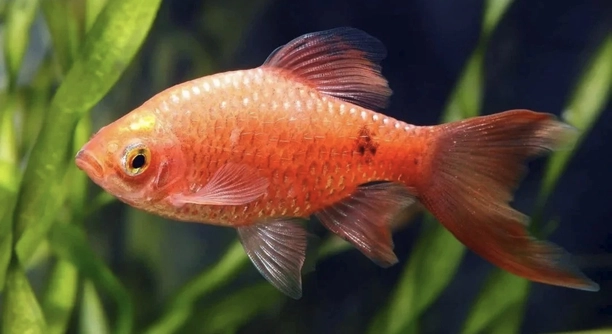
Do you ever find yourself wanting to connect more with your Rosy Barb but aren’t sure how to go about it?
The best ways to bond with your Rosy Barb include offering a stimulating environment, feeding by hand, maintaining a consistent routine, and observing their behavior closely. These actions help build trust and familiarity over time.
Simple, daily actions can strengthen the connection between you and your fish, making your Rosy Barb more active and comfortable in its tank.
Feed Them by Hand Occasionally
Feeding your Rosy Barb by hand is a gentle way to earn their trust. Start by placing your hand just above the water with food held between your fingers. Over time, your fish will associate your presence with something positive. Rosy Barbs are curious and will often come closer once they feel safe. This habit can make them more comfortable and active when you’re nearby. Use slow movements and avoid tapping the tank. Try offering their favorite treats during this time to increase engagement. Limit hand-feeding to a few times a week so they don’t become overly dependent on it. If done consistently, your Rosy Barb may begin to swim up to you, recognizing you as the source of food and comfort. This method can be especially helpful if you have a new fish that’s still adjusting to its environment or if you’re trying to build a stronger connection over time.
Keep each feeding session short and stress-free to avoid overwhelming your Rosy Barb.
Make sure your hands are clean and free from soap or lotion before placing them near the tank. These substances can harm your fish and affect water quality. Use food that floats for better visibility and control while feeding.
Create a Calm and Stimulating Tank Environment
Avoid overcrowding the tank, as Rosy Barbs enjoy space to swim freely. Keep decorations simple but varied, like rocks, driftwood, and live plants. These elements give your fish hiding spots and encourage natural behavior.
A balanced tank setup can support your Rosy Barb’s activity and mood. They do well in groups of five or more, so consider keeping them in small schools. This helps reduce stress and encourages interaction, both with other fish and with you. Provide areas with gentle water flow and open swimming space. Live plants such as java fern or anubias can offer shade and resting spots without cluttering the tank. Use a dim light setting to mimic their natural environment and avoid bright lights that may stress them out. Cleaning the tank regularly and maintaining consistent water parameters will also help. When your Rosy Barb feels safe, it becomes more likely to recognize you and respond to your presence.
Watch Their Behavior Closely
Rosy Barbs often communicate through movement and patterns. By observing them daily, you’ll begin to notice when they feel relaxed, curious, or stressed. This helps you respond better to their needs and support their comfort.
Pay attention to how your Rosy Barb swims. A calm, smooth swimmer is usually content. If it starts hiding, darting around quickly, or rubbing against objects, it may be stressed or sick. Notice how it interacts with other fish—Rosy Barbs are social but can get territorial in small tanks. Look for signs of aggression, like chasing or fin-nipping. You may also see them rest in shaded areas or hover in place when relaxed. These quiet moments are a good time to observe their breathing and colors, which often reflect their overall health. Keeping track of small changes can make a big difference in bonding and tank care.
Sometimes your Rosy Barb may seem distant or shy. This could be due to changes in the tank, like water temperature or a new fish. Being consistent with feeding, lighting, and care will help build their confidence. Over time, they may swim up to the glass when they see you or follow your movements. These signs show comfort and recognition. Keep a notebook if you want to track patterns—it’s a simple way to learn more about your fish. Being observant helps you understand their mood and gives you chances to interact gently, without needing to touch or disturb them. This quiet bonding can be just as meaningful.
Spend Quiet Time Near the Tank
Sitting near the tank for a few minutes each day lets your Rosy Barb become used to your presence. Quiet movement and calm behavior will help them feel safe and may encourage them to approach the glass more often.
Your fish notices more than you might think. If you sit by the tank without tapping or moving too much, they start recognizing you as part of their space. Try reading a book or working nearby for a few minutes a day. After some time, they may swim closer or show interest. Avoid sudden shadows or loud sounds, as these can startle them. You don’t need to interact directly—just being there helps. It’s a peaceful way to build familiarity. Eventually, your Rosy Barb might associate you with calm, safe moments. This makes future bonding efforts easier, especially when feeding or cleaning the tank. Quiet time can lead to visible signs of trust over time.
Keep a Consistent Routine
Feeding your Rosy Barb at the same time each day helps create a sense of structure. Fish respond well to consistency and may begin to greet you when it’s time to eat, showing trust and recognition.
Changing the lights or cleaning the tank around the same times also supports their comfort. Predictable patterns lower stress and make your fish feel secure. A steady routine helps your Rosy Barb stay active and healthy while also strengthening your bond through familiarity.
Avoid Sudden Movements
Quick hand motions, tapping on the glass, or sudden changes in lighting can startle your Rosy Barb. This may make them hide or become less social. Move slowly around the tank and give them time to adjust.
Talk to Them Softly
Speaking gently when near the tank can help your Rosy Barb associate your voice with safety. Over time, the sound becomes familiar, and they may come closer during those quiet moments. Keep your tone soft and calm.
How do I know if my Rosy Barb is healthy?
A healthy Rosy Barb has bright colors, clear eyes, and smooth, intact fins. It swims actively and responds to movement outside the tank. Look for steady breathing and normal eating habits. Avoid fish that hide constantly, lose color, or show signs of spots, swelling, or frayed fins. Regular observation helps catch problems early, so your Rosy Barb stays healthy and comfortable in its environment.
Can Rosy Barbs recognize their owners?
Yes, Rosy Barbs can learn to recognize their owners through consistent interaction. They respond to feeding times, gentle presence near the tank, and hand-feeding sessions. Over time, they may swim toward the glass when you approach, showing they associate you with food and safety.
What is the best diet for Rosy Barbs?
Rosy Barbs thrive on a varied diet of high-quality flakes, pellets, and live or frozen foods like brine shrimp or bloodworms. Supplement their meals with vegetable matter such as blanched spinach or peas. A balanced diet supports their color, health, and activity.
How often should I clean my Rosy Barb’s tank?
Cleaning the tank every two weeks is usually enough if you maintain good filtration and avoid overfeeding. Partial water changes of about 25% help keep water quality high. Remove uneaten food and debris regularly to prevent harmful buildup.
Can Rosy Barbs live with other fish?
Yes, Rosy Barbs are social and prefer living in groups of five or more. They usually get along with other peaceful, medium-sized fish. Avoid slow-moving or long-finned species, as Rosy Barbs may nip at fins.
How much space does a Rosy Barb need?
Each Rosy Barb needs about 4 gallons of water, so a group of five should have at least a 20-gallon tank. Larger tanks provide better swimming space and reduce aggression. Ample room supports their natural behavior and well-being.
Why does my Rosy Barb hide all the time?
Hiding can be caused by stress, poor water quality, or aggressive tank mates. Check water parameters and tank conditions first. Ensure your Rosy Barb has enough swimming space and suitable hiding spots. Sometimes, it takes time for new fish to adjust to their surroundings.
How can I reduce aggression in my Rosy Barb tank?
Keep Rosy Barbs in groups of at least five to spread out any chasing or nipping behavior. Provide plenty of space and visual barriers like plants or decorations. Avoid overcrowding and make sure the tank is well-maintained to reduce stress that can lead to aggression.
What water conditions do Rosy Barbs prefer?
Rosy Barbs thrive in water temperatures between 64°F and 72°F, with a pH of 6.5 to 7.5. Moderate hardness levels are best. Stable water parameters help keep your fish healthy and active. Use a reliable heater and test the water regularly.
Can I teach my Rosy Barb tricks?
While not like dogs, Rosy Barbs can learn to respond to feeding signals or hand movements. Consistent routines and gentle interaction can encourage them to come closer or swim along the glass. Patience and repetition are key to building this kind of bond.
Taking the time to bond with your Rosy Barb can make caring for your fish more enjoyable and rewarding. These small, active fish respond well to gentle, consistent interaction. By creating a calm environment and spending quiet moments near the tank, you help your fish feel safe and comfortable. This comfort can lead to behaviors that show trust, like swimming closer or reacting calmly to your presence. Bonding with your Rosy Barb is not about quick results, but about steady care and patience.
Providing a balanced diet, keeping a clean tank, and maintaining a steady routine are important steps in strengthening your connection. When your fish knows what to expect, it feels less stressed and more confident. This confidence often shows through their colors and activity level. Hand-feeding or quietly talking near the tank can deepen the bond over time. These simple actions help your Rosy Barb recognize you and associate you with good experiences, which makes your relationship stronger.
Remember, every Rosy Barb is unique, and building trust takes time. Some fish may be more curious and social, while others might stay shy at first. Respecting their personality and giving them space when needed is part of the process. Your calm presence, patience, and consistent care will encourage your Rosy Barb to feel secure in its home and with you. Over time, these small efforts create a meaningful connection that benefits both you and your fish.

Hello,
If you enjoy the content that we create, please consider saying a "Thank You!" by leaving a tip.
Every little bit helps us continue crafting quality advice that supports the health, happiness, and well-being of pets around the world, for pets of all shapes, sizes, and species.
We really appreciate the kindness and support that you show us!