
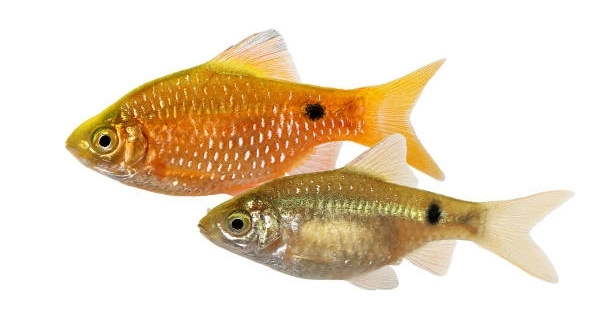
Rosy barbs are popular freshwater fish known for their vibrant colors and active nature. Maintaining the right environment is key to keeping them healthy and happy. Water conditions, especially pH levels, play a crucial role in their well-being.
The ideal pH for rosy barbs ranges between 6.5 and 7.5. This slightly acidic to neutral range supports their natural habitat conditions, promoting proper metabolism, immune function, and overall health. Deviations outside this range can cause stress and health problems.
Understanding the ideal pH level helps ensure a stable and comfortable environment for rosy barbs. This knowledge supports their long-term care and vitality in home aquariums.
Why pH Matters for Rosy Barbs
The pH level of water measures its acidity or alkalinity, which directly affects fish health. Rosy barbs come from rivers and streams where the pH is usually close to neutral. When the water’s pH is too low or too high, it can disrupt their bodily functions. This includes breathing, digestion, and even how their scales and colors develop. Keeping the pH stable helps avoid stress and illness. Sudden changes in pH can shock the fish, making them vulnerable to infections. Testing the water regularly and adjusting it carefully can keep rosy barbs comfortable. Many common aquarium products allow for easy pH adjustments. Maintaining a balanced environment is key to enjoying their lively behavior and bright colors over time.
Water pH influences many biological processes in rosy barbs, making stability essential for their health and longevity.
pH balance also affects beneficial bacteria that break down waste in the aquarium. If pH swings too far from the ideal range, these bacteria may die off, leading to toxic ammonia build-up. This creates a hazardous environment for the fish. In addition, changes in pH can interfere with oxygen levels in the water. When oxygen is low, rosy barbs may show signs of distress like gasping at the surface. Adjusting pH should always be done gradually to avoid shock. Many aquarists use natural methods such as adding driftwood or peat moss to gently lower pH. For raising pH, crushed coral or specialized buffers are common. Monitoring pH is part of regular aquarium maintenance, ensuring rosy barbs thrive in a setting that mimics their natural habitat as closely as possible.
How to Maintain the Ideal pH Level
Regular water testing is the best way to keep pH in check. Simple test kits are affordable and easy to use at home.
Adjusting pH should be done slowly, in small steps over several days. Sudden changes can harm rosy barbs.
Using natural elements to balance pH avoids harsh chemicals that might stress the fish. Driftwood can lower pH by releasing tannins, creating a slightly acidic environment. On the other hand, crushed coral raises pH by slowly dissolving calcium carbonate, making water more alkaline. It’s important to introduce these materials gradually and monitor the pH closely. Avoid mixing methods that push pH too far in either direction. Stable pH prevents common problems like stress-induced diseases and poor coloration in rosy barbs. Maintaining water quality with regular partial water changes also supports a healthy pH. This practice removes accumulated wastes and refreshes the environment, helping keep pH within the ideal range. With consistent care, rosy barbs can live vibrant, active lives in your aquarium.
Common Signs of pH Stress in Rosy Barbs
Rosy barbs stressed by improper pH may become less active or hide more often. They might lose their vibrant color or develop white spots.
Stress affects their immune system, making infections more likely. Behavioral changes like gasping at the surface or rapid gill movement can occur. Physical symptoms include clamped fins or erratic swimming. These signs show the fish are uncomfortable and need immediate attention. Checking water parameters is essential to identify if pH is the cause. Correcting the pH gradually can help restore their health. Ignoring these symptoms can lead to more serious problems and even death. Regular observation helps catch issues early, keeping rosy barbs healthy and vibrant in your tank.
Adjusting water chemistry with gradual pH corrections can improve the fish’s well-being. Maintaining a stable environment reduces stress and prevents recurring problems.
Avoid sudden water changes or adding large amounts of chemicals at once. Use buffered products recommended for aquarium use to maintain safe pH levels. Consistency is key when managing water conditions. Establish a routine for testing water and making small adjustments as needed. Supporting water quality with proper filtration and regular cleaning also promotes stable pH. Sometimes multiple factors influence fish stress, so keep an eye on temperature, ammonia, and nitrite levels as well. Balanced care creates the best habitat for rosy barbs to thrive.
Best Practices for Monitoring pH in Your Aquarium
Use a reliable test kit designed for freshwater aquariums to monitor pH. Test at least once a week to catch changes early.
Record your readings to track patterns or sudden shifts. Keep test kits and buffers easily accessible for quick adjustments. Avoid overreacting to minor fluctuations; focus on trends over time. Consistency in testing helps maintain a stable, healthy environment. Always test new water before adding it to the tank. Mixing water with different pH levels can cause sudden changes harmful to rosy barbs. Proper preparation and regular monitoring give your fish the best chance to stay healthy and lively.
Adjusting pH Safely
Always make pH adjustments slowly to avoid shocking rosy barbs. Small, gradual changes over several days work best.
Use natural methods when possible, such as adding driftwood to lower pH or crushed coral to raise it. Avoid harsh chemicals.
Effects of Incorrect pH on Rosy Barbs
Incorrect pH disrupts rosy barbs’ metabolism and weakens their immune system. This increases vulnerability to diseases and slows healing. It can also affect their reproduction and growth rates. Prolonged exposure to unsuitable pH levels causes chronic stress, leading to shorter lifespans. Maintaining a stable pH supports their natural behaviors and overall well-being, allowing them to thrive in captivity.
Choosing the Right Water Source
Tap water varies in pH and may require treatment. Test before use.
Preventing pH Fluctuations
Regular maintenance and avoiding overfeeding help keep pH stable.
FAQ
What is the best pH range for rosy barbs?
The ideal pH range for rosy barbs is between 6.5 and 7.5. This range mimics the natural environment where they thrive. Keeping pH within these limits helps maintain their health, vibrant colors, and activity levels. Staying close to neutral pH reduces the risk of stress and disease.
How often should I test the pH in my aquarium?
Testing the pH once a week is usually enough for a stable aquarium. More frequent checks may be needed if you notice behavioral changes or after water changes. Consistent monitoring helps catch problems early before they affect your fish.
Can I use tap water for my rosy barbs?
Tap water can be used but should always be tested first. Its pH may vary, and some tap water contains chemicals like chlorine that are harmful to fish. Treat tap water with a dechlorinator and adjust pH if necessary before adding it to the tank.
How do I safely raise or lower pH levels?
Adjust pH gradually over several days. To lower pH, natural options include adding driftwood or peat moss, which release tannins. To raise pH, crushed coral or limestone can be used. Avoid sudden changes or strong chemicals, as they can shock your fish.
What are the signs that pH is stressing my rosy barbs?
Signs include dull coloration, hiding, gasping at the surface, clamped fins, and erratic swimming. Stress lowers their immune system, making them more prone to infections. If these symptoms appear, test your water parameters immediately.
Can pH changes kill rosy barbs?
Yes, sudden or extreme pH shifts can be fatal. Rosy barbs are sensitive to their environment, and rapid changes cause shock. Keeping the pH stable and within the ideal range is essential to prevent this.
Does pH affect the growth of rosy barbs?
Yes, improper pH can slow growth by stressing the fish and interfering with nutrient absorption. A balanced pH helps maintain good metabolic function, supporting healthy development.
How do I stabilize pH in a new aquarium?
Start with conditioned water at the correct pH and cycle the tank before adding fish. Use natural materials like driftwood or crushed coral to maintain stable pH. Avoid adding too many fish at once to prevent rapid changes.
What role does pH play in the nitrogen cycle?
pH affects the bacteria responsible for breaking down ammonia into nitrites and nitrates. If pH is too low or too high, these beneficial bacteria may die off, causing toxic waste to build up and harming fish.
Is it okay if pH fluctuates a little?
Small, slow fluctuations are normal and usually not harmful. Problems arise when pH swings widely or suddenly. Stability over time is more important than perfectly constant numbers.
Can other water parameters affect pH?
Yes, temperature, hardness, and dissolved minerals can influence pH. These factors interact, so monitoring multiple water parameters is important for overall tank health.
What should I do if my pH drops suddenly?
Check for sources like decaying plants, overfeeding, or water changes with different pH. Perform partial water changes with water adjusted to the correct pH. Avoid making large adjustments at once.
Are pH buffers safe to use?
Buffers designed for aquariums can help maintain pH but should be used cautiously. Overuse can cause rapid shifts. Always follow product instructions and monitor water closely.
Can I keep rosy barbs with fish that prefer different pH levels?
It’s best to keep fish with similar pH requirements together. Mixing species that need very different pH levels makes it hard to maintain a suitable environment for all.
How does pH affect fish behavior?
Incorrect pH can cause lethargy, aggression, or hiding. Stable pH encourages normal activity and social behavior, improving the overall aquarium experience.
What is the easiest way to test pH at home?
Liquid test kits are reliable and affordable. They provide a clear color change to indicate pH. Digital pH meters offer more precision but require calibration and maintenance.
Can I trust pH strips?
pH test strips are convenient but less accurate than liquid kits or meters. They can give a general idea but should not be the sole method for important decisions.
Does water change affect pH?
Yes, new water may have a different pH, causing shifts. Always test and adjust new water before adding it to your aquarium to keep pH stable.
What if my pH is consistently outside the ideal range?
Investigate water source and aquarium materials. Using natural additives or changing water source may be necessary. If problems persist, consult with a specialist to protect your fish’s health.
Can plants help stabilize pH?
Live plants can slightly influence pH by absorbing CO2 and producing oxygen. However, their effect is usually mild and should be part of overall tank maintenance rather than the sole method for pH control.
How does pH affect fish coloration?
Stable and ideal pH supports bright colors. Stress from unsuitable pH dulls colors and can lead to fading or blotchy patterns. Maintaining pH helps rosy barbs look their best.
What other factors affect rosy barbs’ health besides pH?
Temperature, water hardness, ammonia, nitrite, nitrate levels, diet, and tank size all impact health. pH is important but must be managed alongside these factors for best results.
Is it necessary to quarantine new fish for pH adjustment?
Quarantining new fish allows you to monitor and gradually adjust pH if needed before adding them to the main tank. This reduces stress and risk of spreading illness.
How long does it take for pH adjustments to stabilize?
It can take several days to a week for pH to settle after adjustments. Monitor closely during this time and make changes slowly to avoid shock.
Are rosy barbs hardy fish regarding water conditions?
Rosy barbs are moderately hardy but still require stable conditions. They tolerate slight variations but thrive best in a well-maintained environment with steady pH and water quality.
Can pH affect fish breeding?
Yes, breeding success can decline if pH is outside the ideal range. Stable pH supports egg fertilization and fry development.
What is the difference between pH and water hardness?
pH measures acidity or alkalinity, while hardness measures mineral content. Both affect water chemistry and fish health but are separate parameters.
Is it better to aim for neutral pH or slightly acidic/alkaline?
For rosy barbs, neutral to slightly acidic or slightly alkaline (6.5–7.5) is best. Avoid extremes on either side for optimal health.
How can I prepare water for a new rosy barb tank?
Test and adjust water pH before adding fish. Use a water conditioner to remove harmful substances and cycle the tank to establish beneficial bacteria.
Are aquarium plants affected by pH?
Yes, plants prefer certain pH ranges, usually between 6.0 and 7.5. Healthy plants help maintain water quality and balance.
Can diet influence pH in the aquarium?
Overfeeding or decaying food can lower pH by producing acids. Feeding appropriate amounts and removing uneaten food helps maintain stable pH.
How do I know if my pH test is accurate?
Compare results from different test methods and test kits regularly. Calibrate digital meters as instructed. Consistent readings indicate accuracy.
What happens if pH is too high?
High pH can cause ammonia to become more toxic and stress fish, leading to health problems. It may also slow beneficial bacteria activity.
Can I mix water from different sources to adjust pH?
Mixing water with different pH can help balance levels but must be done carefully to avoid sudden shifts. Test mixed water before use.
Are there any natural indicators of pH in an aquarium?
Some plants or algae thrive in certain pH ranges, but relying on them alone isn’t accurate. Testing remains necessary.
Is pH more important than temperature?
Both are crucial. Temperature affects metabolism, while pH impacts chemical balance and health. Both should be maintained within ideal ranges.
Can filter media affect pH?
Certain filter materials like activated carbon or zeolite may influence pH. Choose media suitable for your tank’s needs.
How do I correct pH in a tank with live plants and fish?
Make gradual changes, monitor both fish and plants, and use natural methods. Avoid chemicals that could harm either.
What causes sudden pH spikes?
Causes include decaying organic matter, overfeeding, dead fish, or mixing incompatible water sources. Regular maintenance prevents spikes.
Is it okay to use bottled water for my aquarium?
Bottled water varies greatly in pH and mineral content. Test and adjust before use.
How does pH affect oxygen levels in water?
pH can influence oxygen solubility. Extreme pH levels may reduce available oxygen, stressing fish.
What should I do if my fish seem stressed but pH is normal?
Check other water parameters like ammonia, nitrite, nitrate, and temperature. Stress can come from multiple sources.
Can changing pH cure fish diseases?
No, but maintaining proper pH supports immune function and recovery. Treat diseases with appropriate medication.
How important is pH for new aquariums?
Very important. Early pH stability helps establish a healthy environment and prevents future problems.
Are there any fish that can tolerate wider pH ranges than rosy barbs?
Yes, some species tolerate broader ranges, but rosy barbs do best within their specific range for health and longevity.
Final Thoughts
Maintaining the ideal pH level is essential for keeping rosy barbs healthy and thriving. The recommended pH range of 6.5 to 7.5 reflects the natural water conditions where these fish live. Staying within this range supports their bodily functions and reduces stress. Stress from improper pH can cause dull colors, weakened immune systems, and abnormal behavior. By monitoring and adjusting pH carefully, you help ensure your rosy barbs remain active and vibrant.
It is important to test the aquarium water regularly and keep track of pH changes over time. Using reliable test kits or digital meters helps provide accurate information about water conditions. When adjustments are needed, they should be done gradually to avoid shocking the fish. Natural methods, such as adding driftwood to lower pH or crushed coral to raise it, are usually safer than chemical additives. Consistency in water quality, along with proper filtration and maintenance, supports a stable environment for rosy barbs and other tank inhabitants.
Besides pH, other water parameters like temperature, hardness, and ammonia levels also affect the health of rosy barbs. Keeping all factors balanced creates a well-rounded care routine. Proper feeding and regular tank cleaning play a role as well. When everything works together, your aquarium can provide a comfortable home where rosy barbs can display their best colors and behaviors. Paying attention to these details makes a difference in the long-term health and enjoyment of your fishkeeping experience.

Hello,
If you enjoy the content that we create, please consider saying a "Thank You!" by leaving a tip.
Every little bit helps us continue crafting quality advice that supports the health, happiness, and well-being of pets around the world, for pets of all shapes, sizes, and species.
We really appreciate the kindness and support that you show us!