
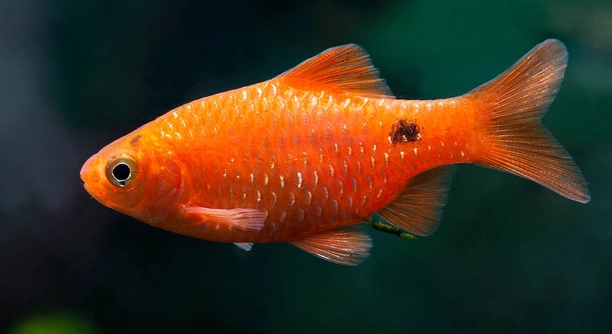
Rosy barbs are popular freshwater fish known for their vibrant colors and active nature. Many aquarium enthusiasts wonder about suitable tank mates, especially snails, which are common additions to freshwater tanks. Compatibility is important for a peaceful environment.
Rosy barbs can live with snails, as they generally do not harm or disturb them. These fish are primarily active swimmers and tend to ignore snails, making coexistence possible in a well-maintained aquarium. Proper care ensures harmony between both species.
Understanding how these species interact can help maintain a balanced aquarium. Knowing their behaviors and needs ensures both rosy barbs and snails thrive together without stress or harm.
Behavior of Rosy Barbs with Snails
Rosy barbs are active fish that spend much of their time swimming and exploring the tank. They are generally peaceful but can be curious about other creatures in their environment. When snails are present, rosy barbs usually ignore them rather than chase or nip at them. However, if food is scarce or the fish feel stressed, they might occasionally bother snails. It is important to provide enough space and hiding spots in the tank so that snails can retreat when needed. Observing the interactions in the tank can help you make adjustments to prevent any aggressive behavior. Overall, rosy barbs tend to coexist well with most common freshwater snails.
The presence of plenty of plants and decorations helps reduce any tension. Snails also benefit from places to hide and feed without interference.
When introducing rosy barbs and snails together, ensure the tank is large enough to accommodate both species comfortably. A minimum of 20 gallons is recommended to provide ample swimming space and shelter. Proper feeding schedules and a clean tank environment also reduce the chance of conflicts. Monitoring the fish and snails during the first few weeks will help detect any signs of stress or aggression early. Adjustments to tank setup or stocking numbers can then be made for a harmonious community. With good care, both species can live healthily and peacefully.
Feeding Considerations
Rosy barbs are omnivores and need a varied diet that includes flakes, pellets, and occasional live or frozen foods. Snails mainly feed on algae, leftover fish food, and plant matter.
Because of their different feeding habits, competition for food is minimal between rosy barbs and snails. Still, it is important to ensure that both receive proper nutrition. Uneaten food should be removed promptly to prevent water quality issues. Feeding in different areas of the tank can help each species get enough food without stress. This approach supports the well-being of both rosy barbs and snails while maintaining a clean aquarium environment.
Tank Conditions for Rosy Barbs and Snails
Rosy barbs and snails thrive in similar water conditions, which makes keeping them together easier. The ideal temperature range is 68-78°F (20-26°C), with a pH between 6.5 and 7.5. Both species prefer moderate water hardness.
Maintaining good water quality is essential for the health of both rosy barbs and snails. Regular water changes and proper filtration help keep ammonia and nitrate levels low. Avoid overcrowding the tank to reduce waste buildup. Snails also benefit from calcium in the water to keep their shells strong. A well-balanced environment reduces stress and supports natural behaviors for both species.
Lighting should be moderate to encourage algae growth, which snails feed on, but not so strong as to cause excessive algae blooms. Live plants provide extra hiding spots and contribute to water quality. Keeping the tank clean and stable helps ensure the peaceful coexistence of rosy barbs and snails.
Common Snail Species with Rosy Barbs
Several snail species are commonly kept with rosy barbs in freshwater tanks. The most popular are mystery snails, nerite snails, and ramshorn snails. Each has unique needs and behaviors.
Mystery snails are larger, peaceful, and excellent algae eaters. They need calcium for their shells and prefer stable water parameters. Nerite snails are smaller and known for their ability to clean algae from tank surfaces efficiently. They do not reproduce easily in freshwater, which helps control their population. Ramshorn snails are smaller and can reproduce quickly. While they are good scavengers, their numbers can grow fast if overfed or if there is excess waste in the tank.
Choosing the right snail depends on your tank size, maintenance routine, and personal preference. Proper care of snails ensures they contribute positively to the aquarium ecosystem without causing problems.
Potential Risks to Snails
Rosy barbs are usually peaceful but may occasionally nip at slow-moving snails. This behavior is rare but can stress the snails if the tank is overcrowded or food is limited. Proper care minimizes these risks.
Stress can also weaken snail shells, making them more vulnerable to damage. Keeping the tank clean and well-maintained helps protect both species.
Preventing Aggression
Provide plenty of hiding spots using plants, rocks, and decorations. This gives snails places to retreat if needed.
Maintaining a proper feeding schedule reduces competition. Feeding both species separately can help avoid conflicts.
Cleaning Snails and Rosy Barbs
Snails help keep the tank clean by eating algae and leftover food. Rosy barbs produce waste that snails help break down, contributing to a balanced ecosystem.
Regular tank maintenance remains essential to prevent waste buildup and maintain water quality for both species.
Monitoring Tank Health
Regularly check water parameters like ammonia, nitrites, and nitrates. Clean the tank as needed to ensure a healthy environment.
Healthy tank conditions support the well-being of both rosy barbs and snails, reducing stress and aggression.
FAQ
Can rosy barbs harm snails?
Rosy barbs are generally peaceful and do not harm snails. However, they may occasionally nip at slow-moving or smaller snails if the tank is overcrowded or if food is scarce. Providing enough space and food usually prevents this behavior.
What types of snails are safe with rosy barbs?
Mystery snails, nerite snails, and ramshorn snails are commonly kept with rosy barbs. These species coexist well because their behaviors and care requirements match. Nerite snails are excellent algae eaters, while mystery snails are larger and peaceful.
Do rosy barbs eat snail eggs?
Rosy barbs are not known to actively seek out or eat snail eggs. However, if eggs are exposed and food is limited, they may nibble on them. Ensuring a balanced diet and hiding places for eggs can reduce this risk.
How many rosy barbs and snails can I keep in one tank?
A 20-gallon tank can comfortably house 5-6 rosy barbs and several snails. Overcrowding leads to stress and aggression. Proper filtration and regular maintenance are necessary for a healthy environment.
What water conditions do rosy barbs and snails need?
Both prefer temperatures between 68-78°F (20-26°C), a pH of 6.5-7.5, and moderate water hardness. Stable water quality and regular water changes are important for their health.
Do snails help keep the tank clean?
Yes, snails feed on algae, leftover food, and plant debris, helping maintain tank cleanliness. However, they should not replace regular tank maintenance, which includes water changes and cleaning.
Can rosy barbs and snails breed in the same tank?
Rosy barbs will breed under the right conditions, but they do not interact with snails during this process. Snails reproduce independently, and some species can multiply quickly if not controlled.
How do I prevent rosy barbs from bothering snails?
Provide plenty of hiding spots and maintain a regular feeding schedule. Avoid overcrowding and keep water quality high. Observing tank dynamics helps catch any issues early.
Are there any risks with keeping snails and rosy barbs together?
The main risks involve stress from overcrowding or poor water conditions. Aggressive behavior is rare but possible if the environment is not ideal. Balanced care minimizes these risks.
What do I feed rosy barbs and snails?
Rosy barbs need a varied diet including flakes, pellets, and occasional live or frozen foods. Snails feed mainly on algae, plant matter, and leftover food. Separate feeding areas help ensure both get enough nutrition.
Can snails survive without algae in the tank?
While snails prefer algae, they can eat leftover food and plant matter. Supplementing their diet with vegetables like zucchini or spinach helps keep them healthy if algae are scarce.
How often should I clean the tank with rosy barbs and snails?
Weekly water changes of 20-30% are recommended. Remove uneaten food and waste regularly. Cleaning filters and decorations also keeps the tank healthy for both species.
Do snails damage plants in the tank?
Most freshwater snails do not harm healthy plants but may nibble on decaying leaves. Ramshorn snails can occasionally damage soft plants if their population grows too large.
Can rosy barbs live without snails?
Yes, rosy barbs do not require snails to thrive. Snails help with tank cleaning but are not necessary for the fish’s well-being. The decision to keep snails depends on your tank setup and maintenance routine.
How do I introduce snails and rosy barbs to the same tank?
Add snails after the tank is cycled and stable. Introduce rosy barbs carefully and observe interactions. Providing hiding spots and space reduces stress and promotes peaceful coexistence.
What signs indicate rosy barbs are stressing snails?
Snails retreating frequently, damaged shells, or reduced activity may indicate stress. Monitor the tank closely and adjust conditions if these signs appear.
Can snails carry diseases that affect rosy barbs?
Snails can carry parasites or bacteria if introduced from unclean sources. Quarantining new snails before adding them to the tank helps prevent disease transmission.
Is it necessary to provide calcium supplements for snails?
Yes, calcium is important for maintaining strong snail shells. Adding cuttlebone or calcium-rich foods supports shell health.
How do I control snail population if it grows too large?
Reduce feeding and manually remove excess snails. Introducing snail-eating fish is an option but not suitable with rosy barbs. Proper tank maintenance limits overpopulation.
Can rosy barbs and snails coexist in a planted tank?
Yes, they both benefit from plants. Rosy barbs enjoy swimming among plants, and snails use them for shelter. Healthy plants contribute to water quality and tank balance.
Rosy barbs and snails can coexist well in a freshwater aquarium when given the right conditions. These species have different behaviors and needs, but they generally do not interfere with each other. Rosy barbs are active swimmers, while snails move slowly and spend much of their time grazing on algae or leftover food. This difference in activity helps prevent competition and conflict between them. A tank that is properly sized, well-maintained, and stocked with appropriate numbers will support both species comfortably.
Maintaining good water quality is essential for the health of both rosy barbs and snails. Regular water changes, proper filtration, and monitoring of water parameters help create a stable environment. Both species thrive within a similar temperature range and pH level, which makes it easier to care for them together. Snails require calcium to maintain strong shells, so adding calcium sources like cuttlebone or calcium-rich foods can be beneficial. Providing plenty of hiding places with plants, rocks, or decorations also reduces stress, especially for snails, giving them areas to retreat if needed.
Feeding both rosy barbs and snails properly is important to avoid competition and aggression. Rosy barbs need a varied diet that includes flakes, pellets, and occasional live or frozen foods. Snails mainly eat algae, plant matter, and leftover fish food. Feeding them separately or in different areas of the tank helps ensure both species receive enough nutrition without conflict. Observing their behavior regularly can help detect any issues early, such as nipping or stress. Overall, with thoughtful care and attention, rosy barbs and snails can live together peacefully, contributing to a healthy and balanced aquarium.

Hello,
If you enjoy the content that we create, please consider saying a "Thank You!" by leaving a tip.
Every little bit helps us continue crafting quality advice that supports the health, happiness, and well-being of pets around the world, for pets of all shapes, sizes, and species.
We really appreciate the kindness and support that you show us!