
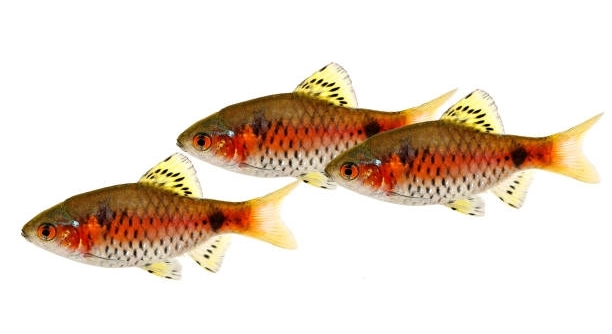
Have you ever noticed your rosy barbs acting more aggressive than usual and wondered what’s really going on in your aquarium?
When rosy barbs fight, it is usually due to stress, overcrowding, territorial disputes, or mating behavior. These fish can become aggressive when their environment lacks sufficient space, hiding spots, or when there is competition for dominance within the group.
Understanding the causes of their aggression can help you create a calmer and safer tank environment for all your fish.
Why Rosy Barbs Start Fighting
Rosy barbs are generally peaceful, but aggression can appear if their environment doesn’t meet their needs. These fish are active swimmers and require plenty of space. When tanks are overcrowded, they begin to display territorial behavior, especially among males. Limited hiding spots or visual barriers can make things worse. During mating periods, males may become more competitive, chasing or nipping at each other. Stress from poor water conditions, inconsistent lighting, or sudden changes in their surroundings can also lead to conflict. Adding new fish without a proper introduction process can disturb the balance and trigger defensive actions. These fights are often a way for rosy barbs to establish dominance or protect resources.
When the tank feels too small or stressful, rosy barbs act out. It’s their way of responding to an unstable space.
If you see torn fins or constant chasing, it might be time to rethink their setup. Proper care can reduce aggression significantly.
Creating a Calm Environment
A peaceful tank setup is key to keeping rosy barbs from fighting. Tank size matters most—give them at least 20 gallons with open space and dense plants.
Spacing out décor helps break up sightlines, lowering the chances of conflict. Rosy barbs prefer to be in groups of five or more. Keeping a proper male-to-female ratio, ideally two females for every male, prevents constant competition. Water quality should remain consistent—use a reliable filter and monitor temperature, ammonia, and pH levels regularly. Adding new fish? Use a slow introduction process, like a quarantine tank or a divider, to let everyone adjust without direct contact. Feeding is another factor—offer food in multiple spots to prevent squabbles. If a fish becomes aggressive, observe carefully. Sometimes separating them temporarily can help reset their behavior. Regular maintenance and stable conditions can make a big difference. Happy, well-cared-for rosy barbs are much less likely to fight.
How to Tell if Rosy Barbs Are Fighting
Fighting often looks like constant chasing, biting, or fin nipping. You might also notice torn fins, missing scales, or one fish hiding more than usual. These signs usually mean something is off in the tank environment.
Pay attention to body language. Rosy barbs that are flaring fins, circling each other, or darting aggressively across the tank are often showing dominance. If one fish is consistently picking on another, that’s also a clear sign of conflict. When aggression becomes regular, it puts stress on the whole group and increases the risk of injuries or disease. A balanced tank with proper structure and group dynamics reduces the chance of these behaviors. It’s helpful to watch interactions during feeding times or after rearranging the tank. Spotting the signs early lets you act quickly and prevent long-term damage to their health or social balance.
Observing them during different times of day can help. Fights often happen after tank maintenance or feeding changes. If you notice one fish avoiding others, it might be retreating after being attacked. Stress can show up through dull colors or reduced appetite. Aggression tends to increase during mating periods or when new fish are added without adjustment time. Keep a log if needed—it helps track behavior changes and identify patterns. When you know what’s normal for your rosy barbs, anything unusual stands out more easily. Simple tweaks in environment or group size can stop the aggression before it escalates further. A few changes often make a noticeable difference.
What to Do if Rosy Barbs Are Fighting
Start by checking the tank setup. Make sure they have enough space, proper hiding spots, and a balanced group. Sometimes a quick rearrangement helps reduce stress and gives fish a break from constant contact.
If aggression continues, try adjusting the male-to-female ratio or increasing the group size slightly. Rosy barbs do better in odd-numbered groups, ideally five or more. If one fish is clearly more aggressive, you might need to isolate it for a few days to break the cycle. Add more plants or decorations to block lines of sight and give them safe zones to retreat. Monitor the water quality, as poor conditions can raise stress levels. Avoid making multiple changes at once, and give them time to settle after any adjustment. Feeding them in different areas at the same time can also reduce competition. These steps usually help calm the tank and restore balance.
When Fighting Becomes a Serious Problem
If one rosy barb becomes isolated, injured, or stops eating, the fighting has gone too far. Constant stress can weaken their immune system and lead to illness. These signs mean it’s time to take quick action.
Physical injuries like torn fins or missing scales should be treated right away. Use a separate tank if needed.
Long-Term Prevention Tips
Maintaining a stable tank environment is the best way to prevent future aggression. Stick to a consistent cleaning schedule, avoid overcrowding, and always match tank mates carefully. A healthy diet also reduces stress. Keep the lighting gentle and predictable. Most importantly, observe their behavior regularly so you can act early.
Do Rosy Barbs Always Fight?
Rosy barbs do not always fight. When kept in proper conditions with enough space, balanced groups, and stable water quality, they usually behave peacefully.
Why do rosy barbs fight more during certain times?
Rosy barbs tend to become more aggressive during breeding seasons or when new fish are introduced. Males compete for females and try to establish dominance, which increases chasing and fin nipping. New fish disrupt the social balance, causing temporary stress and conflicts until the group adjusts.
Can overcrowding cause fights among rosy barbs?
Yes, overcrowding is a common reason for aggression. When the tank space is limited, rosy barbs feel stressed and territorial. They have less room to swim and hide, which causes frustration and increases aggressive behavior. Ensuring enough space and proper group size reduces fights significantly.
How many rosy barbs should be kept together?
It is best to keep at least five rosy barbs together. They are schooling fish and feel safer in groups. A group this size spreads aggression more evenly, preventing any one fish from being targeted. Avoid keeping fewer than three, as they may become stressed and more aggressive.
Does the male-to-female ratio matter for aggression?
Yes, the ratio is important. Having too many males leads to constant competition and fighting. Ideally, keep two females for every male. This reduces rivalry and helps maintain a peaceful environment.
What should I do if a rosy barb is injured from fighting?
Isolate the injured fish in a separate tank to allow healing without further attacks. Keep the water clean and consider using antibacterial treatments for torn fins or open wounds. Monitor the injured fish closely until it fully recovers before reintroducing it.
Can changing the tank layout help reduce fighting?
Yes, rearranging plants and decorations can help. It breaks up sightlines and reduces direct contact between aggressive fish. More hiding spots let shy or injured fish retreat safely. A well-structured tank promotes calmer interactions.
Are some rosy barbs naturally more aggressive?
Yes, individual temperament varies. Some males can be more dominant or territorial. Observing their behavior helps identify aggressive fish. If one is causing problems, separating or rehoming may be necessary for the group’s peace.
How important is water quality in preventing fights?
Water quality is very important. Poor conditions increase stress and weaken fish, making aggression more likely. Regular water changes, proper filtration, and stable temperature keep rosy barbs healthy and calm.
Is feeding method linked to aggression?
Yes, feeding in one spot can cause competition and fights. Feeding small amounts in multiple areas helps spread out the fish and reduces squabbling. Providing a balanced diet also keeps them less irritable.
Can introducing other fish species calm aggressive rosy barbs?
Sometimes, but it depends on compatibility. Non-aggressive, similar-sized fish that prefer different tank levels can reduce tension. Avoid adding aggressive or very small fish that could be bullied. Careful selection and slow introductions are key.
How long does it take for fighting to stop after changes?
It varies, but usually a few days to a couple of weeks. Fish need time to adjust to new tank setups, group sizes, or changes in environment. Patience is important; monitor behavior closely and make gradual adjustments.
Are there signs that fighting is about to escalate?
Yes, increased chasing, frequent fin flaring, or sudden darting are warning signs. If you notice one fish is constantly being chased or hiding, it could indicate growing tension. Early intervention can prevent serious injury.
Should I separate all aggressive fish?
Not necessarily. Sometimes minor aggression is normal and helps establish hierarchy. Only separate fish if aggression causes injury or persistent stress. Temporary isolation often resets behavior and helps restore peace.
Can stress from other causes lead to fighting?
Yes, stress from poor water conditions, sudden changes, loud noises, or improper lighting can increase aggression. Keeping a calm, stable environment reduces stress and supports peaceful behavior.
Is it normal for rosy barbs to nip fins?
A little fin nipping is common during dominance displays but should not be constant or cause damage. If fin nipping is severe, it signals an unhealthy tank dynamic that needs fixing.
What are the best plants to reduce aggression?
Dense, bushy plants like Java fern, Anubias, or hornwort provide good cover and break lines of sight. Floating plants also help diffuse light and create shaded areas, calming fish and reducing conflicts.
Can overcrowding lead to disease as well as fighting?
Yes, overcrowding increases stress and weakens immune systems, making fish more prone to illness. It also spreads parasites and bacteria faster. Keeping proper stocking levels supports health and reduces aggression.
Is it better to add all rosy barbs at once or gradually?
Adding all at once is usually better. This allows the group to form a social hierarchy at the same time. Adding fish gradually can cause repeated disruptions and fights as the group constantly adjusts.
How often should water be changed to keep rosy barbs calm?
Regular water changes, about 20-30% weekly, keep conditions stable. Clean water lowers stress and keeps fish healthy, which reduces the likelihood of fights. Avoid large or sudden changes to prevent shocking the fish.
Do rosy barbs show aggression differently than other barbs?
Rosy barbs tend to have less severe aggression compared to some other barb species. Their fights are usually brief chasing or nipping, not serious attacks. However, the causes and prevention methods remain similar across species.
Rosy barbs are lively fish that add color and movement to any aquarium. While they are mostly peaceful, occasional fights can happen, especially if their environment does not meet their needs. Understanding why they fight helps create a better living space for them. Factors like overcrowding, lack of hiding spots, and improper group sizes are common triggers. It is important to watch their behavior regularly and notice early signs of aggression such as chasing, fin nipping, or hiding. Catching these signs early allows you to make adjustments before problems become serious. Small changes like rearranging tank decorations, improving water quality, or balancing the number of males and females can go a long way in keeping the peace.
Managing aggression among rosy barbs involves patience and care. Giving them enough space and maintaining a stable environment are the simplest but most effective solutions. Providing plenty of plants and decorations breaks up sightlines and offers safe areas for shy or injured fish. Feeding them in multiple spots can reduce competition during mealtime. When fights do occur, it may help to isolate aggressive or injured fish temporarily. Water conditions should always be kept clean and stable, as stress from poor water quality can increase aggression. Gradual introductions of new fish and proper group sizes further reduce conflict. Most importantly, observe how your rosy barbs interact and be ready to make small adjustments to their environment as needed.
With proper care, rosy barbs can live peacefully and display their natural beauty. Their occasional disputes are usually signs that something in the tank environment needs attention. By understanding their behavior and needs, you can create a calm and healthy space where they thrive. Regular monitoring, balanced groups, and a well-structured tank help prevent fights and keep all fish comfortable. When aggression arises, acting promptly and thoughtfully will restore harmony quickly. Keeping rosy barbs happy requires ongoing care but is rewarding. These fish are a joy to watch when their environment supports their social and physical well-being.

Hello,
If you enjoy the content that we create, please consider saying a "Thank You!" by leaving a tip.
Every little bit helps us continue crafting quality advice that supports the health, happiness, and well-being of pets around the world, for pets of all shapes, sizes, and species.
We really appreciate the kindness and support that you show us!