
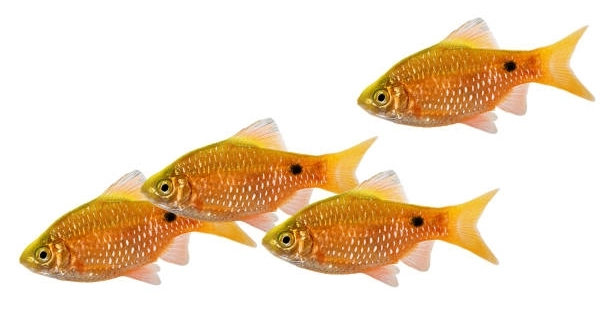
Is your Rosy Barb swimming in circles and acting strangely? This common behavior can worry many fish owners who want their pets to be healthy and happy. Understanding why this happens is important for proper care.
Rosy Barbs swim in circles primarily due to stress, illness, or water quality issues. These conditions can affect their balance and behavior, making them swim abnormally. Identifying the cause is essential to provide timely treatment and improve their environment.
Knowing the reasons behind this behavior helps you keep your fish safe and comfortable. This article will guide you through the common causes and what actions to take.
Common Causes of Circling Behavior in Rosy Barbs
Circling behavior in Rosy Barbs often results from several key factors. Poor water quality is one of the main causes. High levels of ammonia, nitrites, or nitrates can stress the fish and affect their swimming. Another reason is an infection or disease, such as parasites or swim bladder disorder, which impacts their balance. Stress can also come from an overcrowded tank or aggressive tank mates, leading to erratic swimming patterns. Additionally, nutritional deficiencies or sudden changes in water temperature can make your Rosy Barb uncomfortable and disoriented. Monitoring tank conditions and observing any other signs of illness can help pinpoint the exact issue.
Addressing these causes early can prevent serious health problems and improve your fish’s quality of life.
Understanding these factors allows you to take better care of your Rosy Barb and maintain a healthy aquarium environment.
Water Quality and Its Impact
Water quality plays a significant role in your fish’s behavior.
Maintaining clean, stable water parameters is essential. Poor water conditions reduce oxygen levels and create toxins, which can confuse your Rosy Barb and cause circling. Regular water testing, partial water changes, and proper filtration can keep water safe and balanced. Avoid overfeeding and remove uneaten food to prevent waste buildup. Keeping the tank environment stable ensures your fish remain calm and swim normally. Clean water supports their immune system and reduces stress, preventing many common illnesses that affect swimming behavior.
Diagnosing Swim Bladder Issues
Swim bladder problems often cause your Rosy Barb to swim in circles. This organ helps fish control their buoyancy and balance.
Swim bladder disorder can result from infections, constipation, or injury. When affected, fish struggle to maintain normal swimming posture and may circle or float unevenly. Poor diet, especially low-fiber foods, can contribute to constipation, leading to swim bladder issues. Observing changes in appetite, swelling, or difficulty swimming can help identify this problem. Treatment involves adjusting diet, improving water quality, and sometimes medication prescribed by a vet or aquarium specialist.
If untreated, swim bladder problems may worsen, so early intervention is important for your fish’s health and comfort.
Stress and Its Effects on Rosy Barbs
Stress greatly influences fish behavior, causing erratic swimming patterns.
Common stress sources include overcrowded tanks, aggressive tank mates, or sudden changes in environment. Even loud noises or constant vibrations near the tank can disturb your Rosy Barb. Stress weakens their immune system, increasing vulnerability to disease and affecting appetite. Providing hiding spots, proper tank mates, and a consistent routine helps reduce stress. Ensuring the tank size suits the number of fish prevents overcrowding. Regular monitoring and creating a calm, stable environment are key to managing stress and supporting your fish’s well-being.
Parasites and Infections
Parasites and infections are common reasons for unusual swimming behavior. They irritate the fish and disrupt normal movement.
Signs include rapid gill movement, rubbing against surfaces, and loss of appetite. Early treatment is essential to prevent serious health decline.
Improving Diet for Better Health
A balanced diet supports your Rosy Barb’s overall well-being and prevents swim bladder and digestive issues. Include high-quality flakes or pellets with occasional live or frozen foods. Adding fiber-rich vegetables like peas can help digestion and reduce constipation, which affects swimming. Avoid overfeeding, as excess food pollutes water and stresses the fish. Feeding small amounts multiple times a day ensures better nutrient absorption and keeps your fish active and healthy.
Tank Size and Environment
Inadequate tank size or poor environment can cause stress and erratic swimming.
Providing a spacious, well-decorated tank with stable conditions helps your Rosy Barb swim normally and stay calm.
FAQ
Why is my Rosy Barb swimming in circles only sometimes?
Sometimes, circling occurs due to temporary stress or minor water quality changes. If the tank environment fluctuates, the fish may react with brief episodes of abnormal swimming. Occasional circling may also happen after feeding if the fish is slightly constipated or digesting food unevenly. Monitor your tank’s water parameters and feeding habits to spot patterns. If the behavior is rare and the fish appears healthy otherwise, it may not be a serious concern. However, consistent circling or additional symptoms should be addressed promptly.
Can poor water temperature cause circling behavior?
Yes, sudden changes or inappropriate water temperature can affect your Rosy Barb’s balance and activity. These fish prefer temperatures between 64°F and 72°F (18°C–22°C). Water that is too warm or too cold stresses their metabolism and nervous system, sometimes resulting in erratic swimming or circling. Using a reliable aquarium heater and thermometer helps maintain stable temperature, reducing stress and promoting normal behavior.
How do I know if my Rosy Barb has swim bladder disease?
Swim bladder disease is usually evident when your fish has difficulty maintaining normal posture, floats upside down, or swims in circles. You might notice bloating or changes in buoyancy. Reduced appetite and lethargy often accompany these signs. Confirming swim bladder issues requires careful observation over several days, alongside checking water quality and diet. If symptoms persist, treatment like fasting for 24-48 hours, feeding peeled, cooked peas, or consulting an aquatic veterinarian can help.
Is overcrowding a major cause of circling?
Overcrowding significantly increases stress levels in Rosy Barbs, leading to aggressive or erratic swimming patterns, including circling. Fish compete for space, food, and oxygen, which can disrupt normal behavior. Each Rosy Barb needs about 10 gallons of water. Exceeding this number causes poor water quality and territorial disputes. Keeping an appropriate number of fish in a properly sized tank ensures better health and less stressful conditions.
What role does diet play in abnormal swimming?
Diet directly influences digestive health, which affects swimming behavior. Feeding low-quality food or overfeeding can cause constipation, leading to swim bladder pressure and circling. A varied diet with quality flakes, pellets, and occasional vegetables keeps digestion smooth. Avoid giving too many dry flakes or fatty foods. Feeding small portions multiple times a day helps maintain digestive balance and reduces the risk of swim bladder problems.
How often should I test my tank water?
Regular testing is crucial to keep your Rosy Barb healthy. Test water at least once a week for ammonia, nitrites, nitrates, and pH levels. Frequent monitoring helps catch issues before they become severe. If you notice abnormal behavior, test more often until conditions improve. Using a reliable water test kit and keeping a log of results can simplify tank maintenance and prevent future problems.
Can tank decorations affect swimming behavior?
Yes, decorations influence how your fish swim and feel in their environment. Sharp or rough surfaces can injure fish or make them swim awkwardly. Overcrowded decorations limit swimming space and increase stress. Providing smooth, spacious areas with hiding spots helps your Rosy Barb feel secure and swim naturally. Regularly cleaning decorations also prevents algae buildup and parasites, supporting better health.
What medications help if my Rosy Barb is sick?
Treatment depends on the diagnosis. For bacterial infections, broad-spectrum antibiotics can be effective. Anti-parasitic medications help with external or internal parasites. Swim bladder problems sometimes respond to water changes and dietary adjustments rather than medication. Always follow instructions carefully and avoid overmedicating. Quarantining sick fish before treatment protects healthy tank mates. Consulting an aquarium specialist or vet is recommended for accurate diagnosis and safe treatment options.
Can stress from tank mates cause circling?
Aggressive or overly active tank mates can stress Rosy Barbs, triggering unusual swimming behaviors like circling. Compatibility matters; peaceful species such as danios or tetras generally coexist well with Rosy Barbs. Observe interactions closely to identify bullying or chasing. If stress is constant, separating aggressive fish or choosing more compatible companions improves your fish’s behavior and well-being.
How long does it take for a Rosy Barb to recover from swim bladder issues?
Recovery time varies depending on the cause and treatment effectiveness. Mild cases from constipation or stress might improve within a few days with proper diet and water care. Severe infections or injuries may require weeks of treatment. Maintaining optimal water quality and reducing stress speeds recovery. Patience and consistent care are necessary, as rushing can worsen the condition. Monitoring progress daily helps adjust care as needed.
Final Thoughts
Watching your Rosy Barb swim in circles can be concerning, but understanding the reasons behind this behavior helps you take the right steps. Often, it points to problems like water quality issues, stress, or health conditions such as swim bladder disorder. Each of these factors affects your fish’s balance and comfort in the tank. Addressing these problems quickly is important to prevent further complications. Regularly checking water parameters and maintaining a clean tank creates a safe environment where your Rosy Barb can thrive. Small changes in tank care can make a big difference in your fish’s behavior and overall health.
Keeping your Rosy Barb healthy involves more than just good water quality. Stress reduction is equally important. Fish can feel stressed due to overcrowding, aggressive tank mates, or sudden changes in their environment. Providing enough space, suitable companions, and hiding places helps your fish feel secure and swim normally. A balanced diet also plays a key role in maintaining their health. Feeding a variety of quality foods prevents digestive issues that can lead to abnormal swimming patterns. Paying attention to your fish’s behavior, diet, and surroundings allows you to catch problems early and offer timely care.
It is normal to feel worried when your fish behaves strangely, but patience and consistent care go a long way in helping them recover. Sometimes, the cause of circling is simple and easy to fix. Other times, it requires more attention or professional advice. Maintaining a clean, stable tank and providing proper nutrition will reduce many risks. Observing your Rosy Barb closely for any changes in swimming, appetite, or appearance helps you stay ahead of potential problems. Taking these steps ensures your fish remain healthy, active, and comfortable in their aquatic home.

Hello,
If you enjoy the content that we create, please consider saying a "Thank You!" by leaving a tip.
Every little bit helps us continue crafting quality advice that supports the health, happiness, and well-being of pets around the world, for pets of all shapes, sizes, and species.
We really appreciate the kindness and support that you show us!