
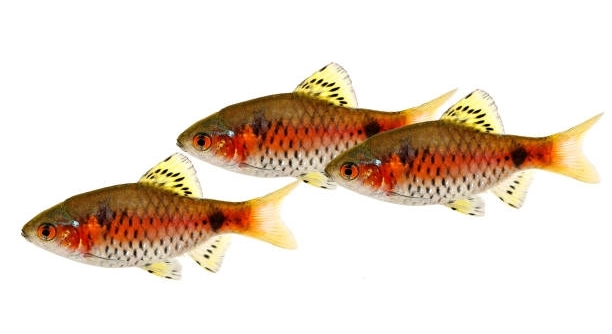
Rosy Barbs are colorful, active fish that bring life to any aquarium. Moving them to a new tank requires careful steps to reduce stress and help them adjust smoothly. Proper acclimation supports their health and long-term well-being.
The key to acclimating Rosy Barbs is to slowly introduce them to the new tank environment. Gradually matching water temperature, chemistry, and lighting minimizes shock. Using drip acclimation or floating their transport bag helps them adapt safely to their new home.
Understanding these methods will help ensure your Rosy Barbs thrive and remain healthy as they settle in their new surroundings. Following the right steps can prevent common issues linked to tank changes.
Preparing the Tank for Rosy Barbs
Before introducing Rosy Barbs, it is important to have the tank fully set up and stable. The water should be clean, properly filtered, and cycled to remove harmful toxins. A tank size of at least 20 gallons is recommended since Rosy Barbs are active swimmers and need space. Adding plants and hiding spots helps them feel secure, reducing stress. The water temperature should be between 74°F and 79°F, with a pH level close to neutral, around 6.5 to 7.5. Checking these conditions before adding the fish prevents sudden changes that might harm them. Avoid adding chemicals or treatments right before the transfer. Make sure the lighting is moderate and consistent to help the fish get used to their new environment gradually.
Setting up the tank properly lays a strong foundation for healthy Rosy Barbs. It reduces the chance of shock and illness after they are introduced.
Once the tank is ready, it is time to focus on acclimation techniques that ensure a smooth transition for the fish.
Introducing Rosy Barbs to the New Tank
Slow and steady acclimation is best for Rosy Barbs. Start by floating the sealed bag with the fish in the tank water for about 20 to 30 minutes. This step helps the water temperature in the bag match the tank’s temperature. Afterward, gradually add small amounts of tank water into the bag every 10 minutes over the next hour. This process allows the fish to adjust to the tank’s water chemistry without sudden changes. Avoid rushing this step, as quick changes can cause stress or illness. When the fish show signs of calmness and normal movement, gently release them into the tank. Use a net rather than pouring water from the bag to avoid introducing contaminants. Monitor the fish closely for the first few hours and days, checking their behavior and health.
Patience during acclimation is key to a successful introduction and long-term health of Rosy Barbs. Careful steps prevent common problems and create a peaceful environment.
Monitoring Behavior After Acclimation
Watch your Rosy Barbs closely after moving them to the new tank. Look for signs of stress, such as hiding, rapid breathing, or clamped fins. These behaviors often indicate that the fish are still adjusting or that water conditions may need checking.
It is normal for Rosy Barbs to be a little shy or inactive for the first day or two. They might explore less and stick to hiding spots. However, if these signs last longer than a few days, testing the water parameters is important. Check for ammonia, nitrites, and nitrates to ensure the water is safe. Maintaining clean water with proper filtration and regular changes helps reduce stress. Also, avoid loud noises or sudden movements near the tank that can startle the fish.
Feeding can also show how well they are adjusting. If they eat normally and swim actively after a couple of days, it’s a good sign they are settling in. Patience and gentle care during this time support their health and happiness.
Feeding Tips During Acclimation
Offer small amounts of food once the Rosy Barbs have settled and show interest in eating. Overfeeding can pollute the tank and add stress. Start with high-quality flakes or pellets formulated for tropical fish.
Make sure the food sinks slowly or floats near the surface, as Rosy Barbs feed at different levels. Variety in their diet with occasional live or frozen foods like brine shrimp can boost their health. Feed them once or twice daily in small portions they can consume within a few minutes. Remove any uneaten food quickly to maintain water quality.
Consistent feeding routines help the fish feel secure and support their immune system. Avoid sudden changes in diet to prevent digestive upset. Monitoring their appetite during acclimation reveals how well they are adapting to their new home.
Maintaining Water Quality
Keeping the water clean is crucial for Rosy Barbs’ health. Perform regular partial water changes of about 20% every week to remove waste and toxins. Use a water conditioner to treat tap water before adding it to the tank.
Test the water regularly to monitor pH, ammonia, nitrites, and nitrates. Stable water conditions reduce stress and prevent disease, helping Rosy Barbs thrive in their new home.
Avoiding Common Stress Factors
Stress can weaken Rosy Barbs quickly. Avoid sudden temperature changes, overcrowding, and aggressive tank mates. Keep the tank in a quiet area away from direct sunlight and heavy foot traffic.
Providing enough space and hiding places helps the fish feel safe and lowers stress levels. Calm, peaceful environments promote better acclimation and long-term well-being.
Suitable Tank Mates for Rosy Barbs
Choose peaceful fish that thrive in similar water conditions to avoid conflicts. Species like danios, tetras, and small gouramis are good companions. Avoid aggressive or very large fish that may bully or eat the Rosy Barbs.
Using a Quarantine Tank
A quarantine tank helps prevent diseases. Keep new fish in quarantine for two weeks before adding them to the main tank. This step reduces the risk of introducing illness and protects your established fish community.
FAQ
How long does it take for Rosy Barbs to fully acclimate to a new tank?
Rosy Barbs usually take about one to two weeks to fully adjust to their new environment. During this time, they may be shy or less active as they get used to the water conditions and surroundings. Proper acclimation methods and stable tank conditions can speed up this process and reduce stress.
What is the best method to acclimate Rosy Barbs?
The slow drip method is often considered the safest. It involves slowly mixing tank water with the water the fish arrived in over an hour or more. This gradual change helps fish adapt to differences in temperature, pH, and other water parameters. Floating the sealed bag first to equalize temperature is also important.
Can I add Rosy Barbs directly from the store bag to the tank?
It’s not recommended. Adding fish directly from the store bag can cause shock due to differences in water temperature and chemistry. Always float the bag and gradually mix tank water before releasing the fish. This reduces stress and risk of illness.
How often should I feed Rosy Barbs during acclimation?
Feed small amounts once or twice daily once the fish appear comfortable and are swimming actively. Overfeeding during this period can harm water quality and increase stress. Watch their appetite and adjust feeding as needed.
What signs show that Rosy Barbs are stressed after moving?
Stress signs include hiding, clamped fins, rapid breathing, loss of appetite, and lethargy. If these behaviors last more than a couple of days, check water quality and tank conditions. Addressing these issues quickly helps prevent disease.
Is it necessary to quarantine Rosy Barbs before adding them to the main tank?
Quarantining new fish for at least two weeks is a good practice. It helps prevent spreading diseases to your established fish. A separate quarantine tank allows you to monitor health and treat any problems before introducing the fish.
What tank mates work well with Rosy Barbs?
Rosy Barbs do well with peaceful, similarly sized fish like tetras, danios, and gouramis. Avoid aggressive or much larger fish that could bully or eat them. A calm community tank supports their well-being.
How important is water temperature during acclimation?
Water temperature is very important. Rosy Barbs prefer 74°F to 79°F. Sudden temperature changes can cause shock. Floating the bag in tank water first helps equalize temperature and reduce stress.
What should I do if Rosy Barbs don’t eat after being introduced?
If they don’t eat within a day or two, it may be due to stress or water conditions. Check the tank’s parameters and continue to offer small amounts of food. Sometimes fish need time to adjust before resuming normal feeding.
Can Rosy Barbs live in a planted tank?
Yes, Rosy Barbs enjoy planted tanks. Plants provide hiding spots and make the environment more natural. Just be aware that Rosy Barbs may nibble on some soft plants, so choose hardy species.
How often should I test the water after introducing Rosy Barbs?
Test water parameters twice a week during the first month. This helps detect any sudden changes or buildup of toxins. Regular testing supports timely adjustments to keep the tank stable.
What is the best way to handle Rosy Barbs during tank cleaning?
Minimize handling to reduce stress. If moving fish is necessary, use a soft net and move them gently. Avoid overcrowding or sudden movements that can frighten them.
Can Rosy Barbs tolerate different pH levels?
They prefer a neutral to slightly acidic or alkaline pH between 6.5 and 7.5. Sudden shifts outside this range can cause stress. Maintaining stable pH is important for their health.
What should I do if one Rosy Barb becomes sick?
Isolate the sick fish in a quarantine tank to prevent spreading illness. Check water quality and consider treatment based on symptoms. Early action increases the chances of recovery.
How can I encourage Rosy Barbs to explore their new tank?
Providing hiding places, plants, and gentle lighting encourages exploration. Avoid loud noises or sudden movements nearby. Over time, as they feel secure, they will swim more actively and show natural behavior.
Acclimating Rosy Barbs to a new tank takes time and care. Moving fish to a different environment can be stressful for them, so following the right steps helps reduce this stress. Slowly adjusting the fish to the new water conditions is important to keep them healthy and comfortable. Using techniques like floating the bag and gradually mixing tank water with the transport water can prevent sudden changes that may shock the fish. Paying attention to water temperature, chemistry, and cleanliness before introducing Rosy Barbs makes the process smoother and safer for them.
After placing Rosy Barbs in their new tank, it is important to watch their behavior closely. Stress signs like hiding, clamped fins, or loss of appetite should be taken seriously. These signs may mean the fish need more time to adjust or that water conditions are not ideal. Testing the water regularly for ammonia, nitrites, nitrates, and pH helps catch problems early. Maintaining a stable environment with regular water changes, proper filtration, and a calm setting supports the fish’s health. Also, feeding Rosy Barbs small amounts once or twice a day encourages their recovery and helps them settle in.
Overall, patience and attention to detail are key when acclimating Rosy Barbs. Rushing the process or ignoring signs of stress can lead to illness or death. Taking time to prepare the tank properly, introduce the fish carefully, and monitor their condition increases the chances of success. A well-planned acclimation sets a strong foundation for the fish to thrive and enjoy their new home. With gentle care and consistent maintenance, Rosy Barbs can become lively, healthy additions to your aquarium.

Hello,
If you enjoy the content that we create, please consider saying a "Thank You!" by leaving a tip.
Every little bit helps us continue crafting quality advice that supports the health, happiness, and well-being of pets around the world, for pets of all shapes, sizes, and species.
We really appreciate the kindness and support that you show us!