
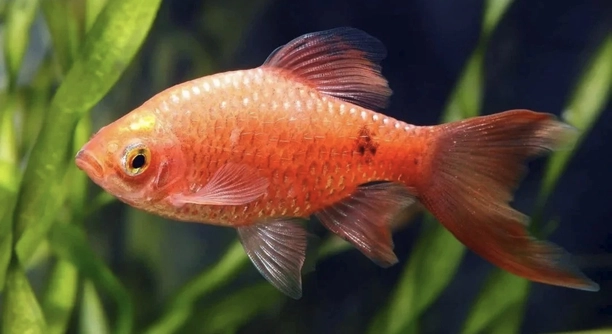
Are your Rosy Barbs showing different activity at night compared to the day? Many aquarium enthusiasts observe their fish’s behavior to understand their needs better. Knowing when Rosy Barbs are most active can help create a suitable environment for them.
Rosy Barbs are primarily diurnal fish, meaning they are most active during daylight hours and tend to rest or reduce movement at night. Their natural behavior involves active swimming and feeding during the day while seeking shelter and conserving energy in darker periods.
Learning about their daily activity patterns can improve how you care for your Rosy Barbs. This guide will help you create the best setting to keep them healthy and comfortable around the clock.
Typical Activity Patterns of Rosy Barbs
Rosy Barbs are naturally active fish during the day. In their natural habitat, they spend most daylight hours swimming around, searching for food, and exploring their surroundings. At night, their activity slows down considerably as they rest. This resting period is important for their health and well-being. In an aquarium, you might notice them hiding among plants or staying still near the bottom or decorations when the lights are off. They do not hunt or swim actively at night like some nocturnal fish. This behavior is typical and shows they follow a day-night rhythm, similar to many other freshwater fish species. Understanding this helps you plan feeding times and aquarium lighting to match their natural cycle, which reduces stress and promotes better health.
Their daytime activity is lively but not overly aggressive, making them good tank mates in community aquariums.
Keeping the aquarium lights on for about 10 to 12 hours daily helps mimic their natural environment and supports their daily activity rhythm.
Nighttime Behavior and Aquarium Lighting
Rosy Barbs tend to rest quietly at night when the aquarium lights are off.
Proper lighting that follows a natural day-night schedule encourages healthy resting behavior. At night, they seek shelter or stay calm in open areas. Too much light at night can confuse them and disrupt their natural rest cycle.
Many Rosy Barb owners find that dim lighting during evening hours works well before turning the lights off completely. This transition helps the fish adjust from active to resting states smoothly. A well-planned light schedule promotes a stable environment and reduces stress-related behaviors like darting or hiding excessively. Ensuring darkness during night hours is essential for their long-term well-being and keeps their natural habits intact.
Feeding Behavior at Night
Rosy Barbs usually do not eat much at night. They prefer feeding during daylight when they are more active.
In their natural environment, Rosy Barbs search for food mostly during the day. At night, their metabolism slows, so they need less energy. In an aquarium, this means feeding them once or twice during daylight hours is enough. Offering food at night may result in uneaten leftovers, which can pollute the tank. Keeping feeding times consistent with their active period helps maintain good water quality and supports their natural rhythm.
Feeding Rosy Barbs during the day also encourages natural behavior, like foraging and social interaction, which contributes to their overall health.
How Tank Setup Affects Nighttime Activity
The design of the tank influences how active Rosy Barbs are at night.
A tank with plenty of hiding spots like plants and decorations helps Rosy Barbs feel secure when resting. When the environment is comfortable, they settle down easily during the night. Conversely, an open tank without shelter might make them restless or stressed, leading to unusual nighttime swimming. The tank’s lighting schedule is also important. Gradual dimming of lights before full darkness supports their natural cycle. Avoid sudden changes in lighting, as it can startle the fish and disrupt their rest. Creating a calm nighttime environment improves their sleep quality, which is essential for their growth and immune system.
Signs of Restlessness at Night
If Rosy Barbs swim actively or hide more than usual at night, it may indicate stress.
Changes in water quality, lighting, or tank mates can cause this restlessness. Observing these signs helps identify potential issues early.
Adjusting Lighting for Better Rest
Using a timer to control aquarium lights ensures a consistent day-night cycle. This helps Rosy Barbs know when to be active and when to rest. A stable lighting schedule reduces stress and promotes healthy behavior.
Nighttime Companions
Rosy Barbs usually share their tank well with other peaceful fish that are also active during the day.
Avoiding Nighttime Feeding
Feeding at night can disturb their natural rhythm and pollute the water. Stick to daytime feeding to keep your Rosy Barbs healthy and comfortable.
Are Rosy Barbs active at night?
Rosy Barbs are mostly active during the day and tend to rest or stay still at night. Their behavior follows a natural day-night cycle, so they reduce movement when the lights are off. This resting phase is important for their health and helps them conserve energy.
Why do Rosy Barbs hide at night?
At night, Rosy Barbs often seek shelter to feel safe and reduce stress. Hiding among plants or decorations mimics their natural behavior in the wild, where resting in hidden spots protects them from predators during dark hours. It is normal and a sign they feel secure in the tank.
Can Rosy Barbs see in the dark?
Rosy Barbs do have some ability to see in low light, but their vision is not as sharp at night as during the day. They rely more on other senses to navigate in darkness. This limited night vision encourages them to stay still or hide when it’s dark.
Is it harmful to keep aquarium lights on all night?
Keeping lights on all night can stress Rosy Barbs and disrupt their natural resting cycle. Constant light prevents them from resting properly, which can weaken their immune system and lead to illness. It’s best to provide about 10-12 hours of light followed by darkness.
Should I feed Rosy Barbs at night?
Feeding Rosy Barbs at night is not recommended. They eat mainly during the day when they are active. Feeding at night often leads to leftover food, which can pollute the water and cause health problems. Stick to feeding during their active hours.
How can I tell if my Rosy Barbs are stressed at night?
Signs of stress at night include unusual restlessness, hiding more than usual, or erratic swimming. If they are swimming quickly or darting around, the tank environment may be causing discomfort. Checking water quality, lighting, and tank mates can help identify the problem.
What tank setup helps Rosy Barbs rest well?
A tank with plenty of plants and hiding spots creates a safe space for Rosy Barbs to rest. Soft lighting and a gradual light dimming schedule also support their natural cycle. Avoiding sudden changes in environment helps reduce stress and encourages peaceful nighttime behavior.
Can other fish affect Rosy Barbs’ nighttime activity?
Yes, aggressive or very active tank mates can disturb Rosy Barbs at night, making them restless. Choosing peaceful community fish with similar activity patterns helps maintain harmony and allows all fish to rest properly.
How long do Rosy Barbs typically rest at night?
Rosy Barbs usually rest for about 10 to 12 hours at night, matching the aquarium’s dark period. This rest is important for recovery and maintaining energy for daytime activity.
Is it normal if Rosy Barbs sometimes swim at night?
Occasional swimming at night can be normal, especially if they are disturbed or if the tank light is still on. However, consistent active swimming at night may indicate stress or poor tank conditions that need attention.
Rosy Barbs are fish that follow a clear day and night cycle. During the day, they are lively and spend time swimming, exploring, and feeding. At night, their activity slows down, and they tend to rest or hide. This pattern is natural and important for their health. Providing the right environment that respects this cycle will help keep your Rosy Barbs healthy and comfortable in your aquarium.
Proper lighting plays a key role in supporting their natural behavior. Keeping the aquarium lights on for about 10 to 12 hours a day and turning them off at night allows the fish to rest. Sudden changes or keeping the lights on too long can cause stress and disturb their rest. Including plants and decorations in the tank gives them places to hide, which makes them feel safe during nighttime. A calm and secure environment encourages better rest and reduces signs of stress.
Feeding should also match their activity times. Rosy Barbs eat mostly during the day, so feeding them during daylight hours is best. Feeding at night may leave uneaten food in the tank, which can harm water quality. Watching your fish’s behavior and adjusting care based on their needs is important. With proper lighting, feeding, and tank setup, Rosy Barbs can thrive and show their natural behaviors both day and night.

Hello,
If you enjoy the content that we create, please consider saying a "Thank You!" by leaving a tip.
Every little bit helps us continue crafting quality advice that supports the health, happiness, and well-being of pets around the world, for pets of all shapes, sizes, and species.
We really appreciate the kindness and support that you show us!