
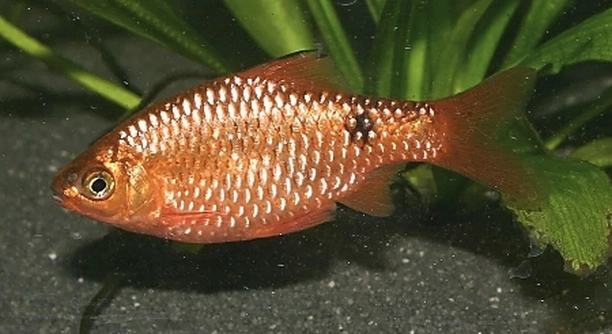
Rosy barbs are colorful freshwater fish often kept in home aquariums. These lively creatures need the right environment to stay healthy and happy. Understanding what stresses them out can improve their care significantly.
Several factors commonly stress rosy barbs, including poor water quality, inadequate tank size, aggressive tank mates, sudden changes in environment, improper diet, lack of hiding spots, and inconsistent lighting conditions. Each of these elements impacts their well-being in measurable ways.
Knowing these stress triggers helps aquarium owners provide better care. The following details explain what to watch for and how to create a calm home for rosy barbs.
Poor Water Quality
Maintaining clean water is essential for rosy barbs. Dirty water stresses their system and can cause illness. Ammonia and nitrite levels rise quickly in crowded tanks or when filters aren’t working well. Chlorine from tap water is also harmful if not removed. Regular water changes help keep conditions stable. Testing the water weekly ensures parameters like pH and hardness stay within the right range. A well-balanced tank environment prevents stress and supports their natural behavior. It’s important to avoid sudden water changes, as drastic shifts can shock rosy barbs. By keeping the water clean and stable, you create a safe space where these fish can thrive.
Poor water quality leads to weakened immune systems and increases disease risks in rosy barbs.
To maintain good water quality, use a reliable filter and perform partial water changes of 20-30% weekly. Always treat tap water with a water conditioner before adding it to the tank. Avoid overcrowding by keeping the number of fish appropriate for your tank size. Testing kits can track ammonia, nitrite, and nitrate levels to catch problems early. Stable temperature and pH also contribute to water quality, so monitor these regularly. Clean water helps rosy barbs feel secure and healthy, reducing stress and promoting vibrant colors.
Inadequate Tank Size
A tank that’s too small limits movement and causes stress for rosy barbs. They are active swimmers and need space to explore. Crowded conditions increase aggression and competition for resources. Small tanks also make it harder to maintain stable water conditions. Keeping rosy barbs in a tank of at least 20 gallons is ideal. Larger tanks provide room for swimming and hiding spots, which lowers stress. Adding plants and decorations creates a more natural setting. When they have enough space, rosy barbs display more natural behaviors and better health.
Rosy barbs kept in small tanks often show signs of stress, such as hiding or rapid breathing.
To provide a comfortable home, ensure your tank size matches the number and size of rosy barbs you keep. Overcrowding causes poor water quality and territorial disputes. Along with tank size, consider layout and décor to reduce stress. Provide plants or shelters where barbs can retreat if needed. A spacious, well-arranged tank encourages activity and social interaction, which benefits their well-being. Regularly clean and maintain the tank to support their environment. Giving rosy barbs enough room is one of the simplest ways to keep them calm and healthy.
Aggressive Tank Mates
Aggressive fish can intimidate rosy barbs and cause constant stress. Barbs may get chased or nipped, which harms their health and mood.
When aggressive species share the tank, rosy barbs become anxious and may hide more often. This behavior reduces their activity and can lead to injury. Choosing peaceful or similarly sized fish helps avoid conflicts. Rosy barbs are social but prefer calm companions. Mixing them with aggressive or territorial fish disrupts their routine and well-being. Creating a balanced community tank is important to keep all fish stress-free and healthy.
If aggression is unavoidable, providing plenty of hiding spots can reduce direct contact. Separating aggressive fish when needed ensures rosy barbs have safe areas to rest. Keeping a watchful eye on interactions helps prevent long-term stress or injury.
Sudden Changes in Environment
Rapid changes in water temperature, lighting, or tank setup shock rosy barbs. These fish prefer stable surroundings to feel secure.
Sudden shifts in temperature or water chemistry disrupt their natural rhythm. Barbs rely on steady conditions to regulate bodily functions and behavior. Moving decorations or rearranging the tank without care can cause confusion and stress. Introducing new fish too quickly adds to the tension. To avoid stress, make changes gradually over several days. Slowly adjusting temperature or water parameters allows barbs to adapt comfortably.
Keeping a consistent day-night light cycle helps maintain their internal clock. Avoid turning lights on and off abruptly or for long periods. Stability in their environment promotes calm behavior and reduces the risk of illness. Rosy barbs flourish when their habitat stays predictable and balanced.
Improper Diet
Feeding rosy barbs the wrong food causes stress and health problems. They need a balanced diet rich in nutrients.
Overfeeding or giving low-quality flakes can lead to poor digestion and obesity. Providing varied food like flakes, pellets, and occasional live or frozen treats keeps them healthy. A proper diet supports their immune system and vibrant colors.
Lack of Hiding Spots
Rosy barbs need places to hide and rest. Without shelter, they feel exposed and stressed.
Adding plants, rocks, or decorations creates safe areas. These spots allow barbs to retreat when feeling threatened or tired, reducing anxiety and encouraging natural behavior.
Inconsistent Lighting Conditions
Unpredictable or harsh lighting can upset rosy barbs. They thrive with a stable, gentle light cycle that mimics natural day and night. Consistent lighting helps regulate their biological rhythms, making them more comfortable and less prone to stress.
How often should I change the water for my rosy barbs?
Regular water changes are important to keep rosy barbs healthy and stress-free. Changing about 20-30% of the water every week is a good routine. This helps remove waste and toxins that build up over time. Avoid changing too much water at once, as sudden shifts can stress the fish. Always treat new water with a conditioner before adding it to the tank to remove harmful chemicals like chlorine. Consistent water changes support stable water quality and keep the environment comfortable for your fish.
What is the best tank size for a group of rosy barbs?
A minimum tank size of 20 gallons is recommended for a small group of rosy barbs, usually around 5-6 fish. They are active swimmers and need room to move freely without feeling crowded. Larger tanks are even better, especially if you plan to keep more fish or other species. A spacious tank helps reduce aggression and improves water quality by diluting waste. Remember to provide hiding spots and plants to create a balanced, comfortable habitat. Proper tank size reduces stress and promotes natural behaviors.
Can rosy barbs live with other fish?
Yes, rosy barbs can live with other fish, but tank mates must be chosen carefully. They do best with peaceful, similarly sized fish that won’t nip their fins or compete aggressively. Avoid very small fish that might be seen as food or large, aggressive species that could bully them. Suitable tank mates include tetras, danios, and some peaceful barbs. Always observe interactions when introducing new fish to make sure there’s no bullying. A harmonious community tank keeps rosy barbs relaxed and healthy.
How can I tell if my rosy barb is stressed?
Signs of stress in rosy barbs include hiding more than usual, loss of appetite, rapid breathing, faded colors, and erratic swimming. They may also rub against objects or stay at the tank’s surface or bottom. These behaviors indicate discomfort or poor conditions. Stress weakens their immune system, making them prone to illness. Watching for these signs helps catch problems early. Addressing water quality, tank size, diet, and tank mates often improves their condition quickly.
What should I feed my rosy barbs?
Rosy barbs need a varied diet for balanced nutrition. High-quality flakes or pellets designed for tropical fish form the base of their diet. Supplement with live or frozen foods like bloodworms, brine shrimp, and daphnia to provide protein and stimulate natural feeding behavior. Vegetables like blanched spinach or peas can also be offered occasionally. Avoid overfeeding by giving only what they can eat in a few minutes, once or twice daily. A good diet keeps them energetic, colorful, and less prone to stress.
How important is tank decoration for rosy barbs?
Tank decorations play a key role in reducing stress for rosy barbs. Plants, rocks, and caves offer hiding places where they can retreat if feeling threatened or tired. These shelters create a sense of security and allow natural behaviors like exploring and resting. Decorations also break up the line of sight, reducing aggression among tank mates. Using live plants can improve water quality and mimic their natural environment. Without enough hiding spots, rosy barbs may become anxious and stressed.
What lighting conditions are best for rosy barbs?
Rosy barbs thrive under consistent lighting that mimics natural day and night cycles. A light schedule of about 10-12 hours a day is ideal. Too much light can cause stress and algae growth, while too little light affects their activity and color. Avoid sudden changes in lighting by using a timer if possible. Gentle, stable lighting supports their biological rhythms and keeps them comfortable. Turning lights off completely at night helps them rest properly and stay healthy.
How do sudden changes affect rosy barbs?
Sudden changes in water temperature, tank setup, or lighting cause stress to rosy barbs. These fish rely on stable conditions to regulate bodily functions and feel secure. Rapid shifts can shock their system, leading to hiding, loss of appetite, or illness. Gradual adjustments allow them to adapt without stress. For example, change water temperature slowly by mixing water before adding it, or rearrange tank decorations little by little. Maintaining a calm environment helps them stay healthy and active.
What should I do if my rosy barb shows signs of illness?
If a rosy barb looks sick—showing lethargy, spots, torn fins, or difficulty swimming—check water quality first. Poor conditions are often the cause. Perform a partial water change and test the parameters. If symptoms continue, isolate the fish to prevent spreading disease. Treat with appropriate medication based on symptoms, but follow instructions carefully. Maintaining good tank conditions, a balanced diet, and reducing stress factors helps prevent illness. Early action improves chances of recovery.
Can overcrowding cause stress in rosy barbs?
Yes, overcrowding is a major cause of stress in rosy barbs. Too many fish in a small tank increase competition for food, space, and oxygen. This leads to aggression, poor water quality, and weakened immune systems. Providing enough space and not exceeding recommended fish numbers is essential. Overcrowded tanks often have high ammonia and nitrite levels, which are harmful. Proper stocking and regular maintenance keep the tank balanced, reducing stress and promoting a healthy environment for all fish.
Rosy barbs are beautiful and lively fish that can bring life to any aquarium. However, they are sensitive to their environment and can become stressed if their needs are not met. Stress can affect their health, behavior, and overall lifespan. Understanding what causes stress in rosy barbs is important for anyone who wants to keep them healthy and happy. Factors like water quality, tank size, tank mates, diet, lighting, and environmental changes all play a role in their well-being. Paying close attention to these elements can make a big difference in how well your rosy barbs thrive.
Taking good care of rosy barbs means creating a stable and comfortable environment for them. This includes maintaining clean water by doing regular water changes and testing for harmful chemicals. Providing enough space for swimming and hiding is also crucial. When the tank is overcrowded or filled with aggressive fish, stress levels rise quickly. Feeding rosy barbs a balanced diet with varied food sources keeps them strong and colorful. Keeping lighting consistent and avoiding sudden changes in the tank setup helps them feel safe. By addressing these areas, you reduce stress and support their natural behaviors.
It’s important to watch your rosy barbs for signs of stress or illness. Changes in behavior like hiding, loss of appetite, or faded colors can signal a problem. Acting early by adjusting the tank conditions or diet can prevent more serious issues. Rosy barbs respond well to a calm and steady environment. Their health improves when stress is minimized, and they can live longer, more vibrant lives. Creating the right home for rosy barbs takes some effort, but the reward is a lively aquarium full of happy fish.

Hello,
If you enjoy the content that we create, please consider saying a "Thank You!" by leaving a tip.
Every little bit helps us continue crafting quality advice that supports the health, happiness, and well-being of pets around the world, for pets of all shapes, sizes, and species.
We really appreciate the kindness and support that you show us!