
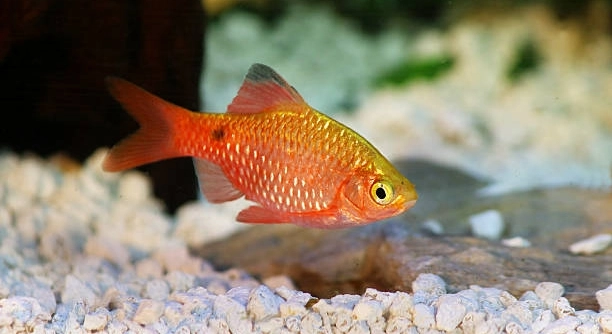
Rosy barbs are lively fish that need a clean and healthy environment to thrive. Keeping their tank water clear is important for their well-being. Choosing the right filter helps maintain good water quality and keeps the fish happy.
The best filter for rosy barb tanks is one that provides strong mechanical and biological filtration, ensuring efficient removal of debris and harmful substances. Canister filters or high-quality hang-on-back filters are recommended for optimal water circulation and cleanliness.
Proper filtration supports a stable habitat and healthy fish. Understanding which filter suits your tank will help you care for your rosy barbs effectively.
Why Filtration Matters for Rosy Barb Tanks
Keeping the water clean in a rosy barb tank is essential for the fish’s health. These fish produce waste that, if not removed properly, can build up and cause harmful conditions. A good filter removes uneaten food, fish waste, and other debris that cloud the water. It also helps maintain the balance of beneficial bacteria. These bacteria break down toxic substances like ammonia and nitrites, which can be deadly to fish. Without proper filtration, water quality declines quickly, leading to stress or illness in your rosy barbs. Choosing a filter that fits your tank size and stocking level makes a big difference. A filter that runs too slowly won’t clean efficiently, while one that’s too strong can stress the fish with excessive water movement. Understanding how filtration supports the tank environment helps you create a stable and safe home for your rosy barbs.
Filters improve water quality and create a healthy environment by removing waste and supporting beneficial bacteria growth.
Proper filtration is key to maintaining stable water conditions in a rosy barb tank. Filters vary widely in design, but the best ones provide both mechanical and biological filtration. Mechanical filtration captures particles and debris from the water, while biological filtration encourages colonies of helpful bacteria. These bacteria convert harmful chemicals into less toxic forms, protecting fish from poisoning. Choosing a filter with adjustable flow can help you control water movement to suit the needs of your rosy barbs. It’s also important to clean or replace filter media regularly to keep the system working well. Using a reliable filter ensures clearer water and healthier fish, reducing the need for frequent water changes and tank maintenance.
Types of Filters Suitable for Rosy Barb Tanks
Hang-on-back (HOB) filters are popular choices because they combine efficiency with ease of use. They offer mechanical, chemical, and biological filtration in one unit. These filters fit on the tank’s edge and recycle water quickly. Canister filters are another excellent option, especially for larger tanks. They provide powerful filtration and allow for more media customization. Sponge filters are gentle and promote good bacteria growth but may not be enough alone for heavily stocked tanks. Choosing the right filter depends on your tank size and how many rosy barbs you keep. Filters that balance good water turnover with minimal stress on the fish work best for these active swimmers.
Canister filters and HOB filters are the most effective for maintaining clean water and healthy fish in rosy barb tanks.
Among the various filters available, canister filters stand out for their capacity and performance. They sit outside the tank and pump water through multiple filter media compartments, providing thorough cleaning. This setup allows for large amounts of mechanical and biological media, making them ideal for tanks with high bioloads, like those with many rosy barbs. Hang-on-back filters are simpler but still effective, suitable for smaller tanks or lighter fish populations. They are easy to install and maintain, making them popular among hobbyists. Sponge filters are useful for gentle filtration and excellent biological filtration but might need support from a stronger filter in larger tanks. Choosing the right filter enhances your tank’s stability, reduces maintenance, and helps your rosy barbs thrive in a healthy, clean environment.
Filter Maintenance Tips
Regular maintenance keeps your filter working well and your tank healthy. Clean or replace filter media as recommended by the manufacturer. Avoid cleaning all media at once to preserve beneficial bacteria. Check the filter’s flow rate to ensure it is running efficiently.
Clogged filters reduce water flow, which lowers filtration quality and can harm your rosy barbs. Rinse mechanical filter media in tank water, not tap water, to protect beneficial bacteria. Replace chemical media like activated carbon every month or as needed. Keeping up with maintenance prevents build-up of waste and toxins. It also extends the life of your filter. Small efforts in regular cleaning help maintain a stable environment for your fish and reduce sudden water quality problems.
Watch for unusual noises or slower water flow, signs your filter needs attention. Proper care keeps water clear and fish healthy.
Matching Filter Size to Tank Size
Choosing a filter sized correctly for your tank is essential. A filter that’s too small won’t clean the water effectively, while one that’s too powerful can stress your fish with strong currents.
A good rule is to pick a filter rated for at least the volume of your tank, preferably one that cycles the water four to five times per hour. For example, a 20-gallon tank should have a filter with a flow rate of 80 to 100 gallons per hour. Adjust flow if your rosy barbs seem stressed by too strong a current. Proper sizing ensures water stays clean and your fish remain comfortable. This balance reduces stress and improves the overall health of your aquatic environment.
Filter Noise Levels
Some filters can be noisy, which might be distracting in quiet rooms. Choosing a filter designed for quiet operation helps keep your space peaceful.
Regular cleaning can also reduce noise caused by clogged parts or worn-out components. Maintaining the filter keeps it running smoothly and quietly.
Filter Placement Tips
Position the filter to allow good water circulation throughout the tank. Avoid placing it where water flow directly disturbs shy or slow-moving rosy barbs.
Proper placement ensures even filtration, reduces dead zones, and helps maintain stable water conditions for all tank inhabitants.
Energy Efficiency of Filters
Energy-efficient filters help save electricity and reduce running costs. Look for models with low power consumption and reliable performance to balance cost and function.
Common Filter Problems
Filters may face issues like clogging, leaks, or reduced flow. Regular checks and timely maintenance prevent most common problems before they affect your tank.
FAQ
What type of filter is best for a rosy barb tank?
Canister filters and hang-on-back (HOB) filters are generally the best options. They provide strong mechanical and biological filtration, which is essential to keep the water clean and safe. Canister filters work well for larger tanks or heavily stocked setups, while HOB filters are good for smaller tanks and easier to maintain. Sponge filters are useful but usually serve better as supplementary filters rather than the main one.
How often should I clean my filter?
Cleaning frequency depends on tank size, fish load, and filter type. Generally, check and rinse mechanical media every 2 to 4 weeks to prevent clogging. Avoid cleaning all filter media at once to protect beneficial bacteria. Replace chemical media, like activated carbon, every 3 to 4 weeks. Regular maintenance helps keep filtration efficient and your rosy barbs healthy.
Can I use a filter with a strong flow in a rosy barb tank?
Rosy barbs prefer moderate water flow. Too strong a current can stress them, making them less active and more vulnerable to illness. Use a filter with adjustable flow or add flow restrictors if needed. Positioning the filter output so it doesn’t create a strong direct current also helps keep fish comfortable.
What size filter do I need for my tank?
Choose a filter rated to cycle the entire tank water volume at least 4 to 5 times per hour. For example, a 20-gallon tank should have a filter with an 80-100 gallons per hour flow rate. Filters that are too small won’t clean effectively, and oversized filters may create too much water movement, stressing your fish.
Can I use multiple filters in one tank?
Yes, using multiple filters can improve water quality and circulation, especially in larger tanks. Combining a canister filter with a sponge filter can provide thorough filtration and gentle water movement. Make sure not to over-filter, as too much flow can stress your rosy barbs.
What filter media should I use?
Mechanical media like sponges or floss remove particles and debris. Biological media such as ceramic rings provide surfaces for beneficial bacteria to grow. Chemical media like activated carbon removes odors and toxins. A mix of these types usually works best. Change chemical media regularly, but biological media should only be rinsed gently in tank water.
Why is my filter water flow slow?
Slow flow is often caused by clogged media or a dirty impeller. Check and clean the filter parts regularly. Debris buildup can block water passage, reducing performance. Also, aging filters may lose efficiency, so replacing worn components or the entire filter might be necessary.
Is a sponge filter enough for rosy barb tanks?
Sponge filters are great for biological filtration and are gentle on fish. However, for a tank with active rosy barbs or many fish, a sponge filter alone may not be enough. It’s best paired with a more powerful filter like a canister or HOB to handle mechanical and chemical filtration efficiently.
How do I reduce filter noise?
Noise often comes from trapped air, dirty parts, or loose fittings. Regular maintenance such as cleaning the impeller and checking connections can reduce noise. Choosing filters designed for quiet operation can also help maintain a peaceful tank environment.
What should I do if my filter stops working suddenly?
Immediately check the power supply and ensure the filter is plugged in correctly. Inspect for clogs or mechanical failures such as a stuck impeller. Rinse filter parts carefully and clear any blockages. If problems persist, replacing worn parts or the filter may be necessary to keep your rosy barbs safe.
Can a filter remove all toxins from the tank?
Filters play a crucial role in removing toxins like ammonia and nitrites by supporting beneficial bacteria. However, they can’t remove everything. Regular water changes and monitoring water parameters are also necessary to maintain a healthy tank environment.
How does beneficial bacteria in the filter help my rosy barbs?
Beneficial bacteria break down harmful ammonia and nitrites produced by fish waste into less harmful nitrates. This biological filtration keeps the water safe and prevents poisoning. Maintaining filter media properly ensures these bacteria remain healthy and active.
Can I turn off the filter at night?
It’s best to keep the filter running 24/7. Continuous filtration maintains water quality and oxygen levels. Turning off the filter can lead to waste buildup and lower oxygen, stressing your rosy barbs. If noise or energy use is a concern, consider a quieter or more energy-efficient filter.
What are signs my filter is not working properly?
Cloudy water, strong odors, algae blooms, and sick or stressed fish can all indicate poor filtration. Reduced water flow or unusual noises from the filter are also warning signs. Regular monitoring and maintenance help prevent these issues.
How do I start a new filter without harming my rosy barbs?
To avoid disrupting beneficial bacteria, don’t clean all filter media at once. When installing a new filter, use media from an established filter if possible to transfer bacteria. Cycling the tank before adding fish or using bacteria supplements can help establish biological filtration safely.
These answers aim to provide practical, clear advice for maintaining a clean and healthy environment for your rosy barbs through proper filtration.
Choosing the right filter for a rosy barb tank is an important part of keeping your fish healthy and happy. A good filter helps keep the water clean by removing waste, uneaten food, and other debris. It also supports beneficial bacteria that break down harmful chemicals. When the water is clean and balanced, rosy barbs can swim actively and grow well. Without proper filtration, the water can quickly become unsafe and cause stress or illness to the fish. So, investing in a quality filter suited to your tank size and fish load is a key step in successful fishkeeping.
Maintaining the filter regularly is just as important as choosing the right one. Cleaning or replacing filter media prevents clogging and keeps water flowing smoothly. It is best to clean mechanical media like sponges gently with tank water to preserve helpful bacteria. Chemical media, such as activated carbon, should be replaced every few weeks for optimal performance. Paying attention to how the filter sounds and how strong the water flow is can help you spot problems early. Filters that run quietly and efficiently make caring for rosy barbs easier and help create a stable environment where fish can thrive.
Finally, understanding your filter’s role and how to care for it will improve your overall experience with your rosy barb tank. Proper filtration reduces the need for frequent water changes and keeps water quality steady. This saves time and effort, while also protecting your fish from sudden changes in their environment. Whether you choose a canister filter, hang-on-back filter, or a combination of filters, balancing filtration power and gentle water flow is important. With the right filter and good maintenance habits, your rosy barbs will enjoy a healthy home for a long time.

Hello,
If you enjoy the content that we create, please consider saying a "Thank You!" by leaving a tip.
Every little bit helps us continue crafting quality advice that supports the health, happiness, and well-being of pets around the world, for pets of all shapes, sizes, and species.
We really appreciate the kindness and support that you show us!