
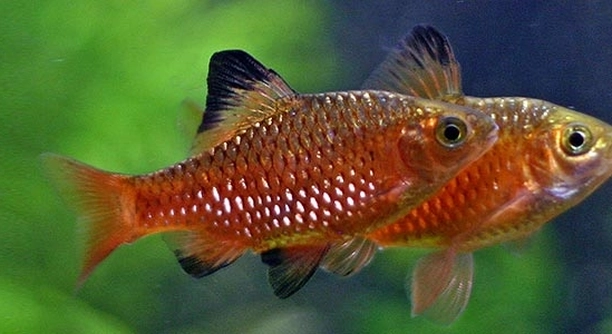
Have you ever looked into your aquarium and wondered if your fish can tell you apart from someone else in the room?
Rosy Barbs are unlikely to recognize their owners in the same way mammals or birds might. While they may learn to associate a human figure with feeding time, this response is based more on routine and environmental cues than personal recognition.
While their behavior may seem familiar, there’s more going on beneath the surface of your tank. Let’s explore what science says about fish memory and perception.
How Rosy Barbs Perceive Their Environment
Rosy Barbs rely on their senses to interact with their surroundings. Their vision helps them detect movement, shapes, and light changes, which is important when recognizing patterns. These fish also use their sense of smell to find food and sense other fish in the water. Over time, they may become familiar with certain routines, like feeding times or regular tank cleaning. While they do not recognize faces the way humans or some animals do, they can associate repeated behaviors with specific outcomes. For example, a human approaching the tank may signal food, which leads to an active response. This behavior can feel personal, even if it isn’t based on true recognition. What seems like attention or affection is often the result of conditioning. Rosy Barbs are responsive, active fish that tend to react to what they see and experience regularly, creating the impression of recognition, even if it’s not quite the case.
Their memory is short-term, but some routines can be remembered with enough repetition over time.
They are more likely to respond to shapes, motions, and feeding habits than to a specific person. Rosy Barbs can adapt to changes, but their behavior is more about familiarity than emotional recognition.
Can They Bond With You?
There is no scientific evidence that Rosy Barbs form emotional bonds with humans.
They may follow your finger across the glass or swim near the surface when they see you. These actions are usually connected to feeding or curiosity rather than attachment. Still, it can feel rewarding to interact with them. They may respond to movement near the tank or changes in their environment, which can create a routine that feels interactive. That said, their reactions are more about habit than anything else. Unlike mammals, Rosy Barbs do not have the brain structures linked to emotional bonding. Their interest in you is more likely connected to positive reinforcement—mainly food or activity—than any sense of attachment. With time and consistent care, you might notice your Rosy Barbs becoming more active when you’re near. This is a good sign they are comfortable in their space, but it’s not necessarily a sign of recognition in the way we often hope.
Signs That Look Like Recognition
Rosy Barbs often swim toward the front of the tank when someone approaches. This behavior is usually linked to feeding routines. Their excitement may seem like recognition, but it’s often a trained response to movement or shadow near the tank.
Another sign that looks like recognition is following your finger along the glass. While this might feel like a personal interaction, it’s typically caused by their sensitivity to motion and their natural curiosity. Rosy Barbs are active swimmers and will react to changes in their environment. They may also display bolder behavior during regular feeding times, especially if they’ve come to associate your presence with food. This repetition can create patterns that feel personal. While they don’t understand who you are, they respond to what they experience consistently. These small behaviors can give the impression of recognition, even though the fish are mainly reacting to visual cues and feeding habits.
Rosy Barbs may also start to group near the top of the tank when they sense activity nearby. If you feed them at the same time each day, they’ll begin to associate that time and your presence with food. Over time, they might appear to “greet” you, but it’s mostly a routine-based reaction. Their behavior is influenced by patterns they observe and respond to. Regular care and interaction can make them seem more social, but they are reacting to repeated actions, not forming a relationship. Recognizing this helps create a more realistic understanding of how they relate to their environment and to you.
How to Encourage Familiar Behavior
Stick to a routine when feeding and cleaning their tank. Fish respond well to consistency, and Rosy Barbs are no different. When your actions become predictable, your fish may become more active when you approach.
Use consistent feeding times, and try to keep other tank conditions steady, such as lighting and water temperature. Rosy Barbs become used to stable routines and will start to associate your movements with specific results, like receiving food. You can also try placing your hand near the glass at the same time each day to build a reaction. With patience, this can create a regular interaction that feels familiar to both you and your fish. Over time, they may even come to the front of the tank more often when you’re nearby. While this isn’t true recognition, it does show they can learn and adapt based on what they experience. Repeating the same actions helps reinforce their response.
What Science Says About Fish Memory
Rosy Barbs have limited short-term memory, but they can remember patterns when exposed to them regularly. Studies show fish can be trained to respond to sounds or actions, suggesting they are capable of learning simple associations over time.
Research on fish behavior supports the idea that repeated cues, such as feeding or light changes, help shape consistent responses.
How This Affects Your Interaction
Knowing that Rosy Barbs respond to patterns rather than people helps set the right expectations. While it may feel like your fish recognizes you, their behavior is more likely based on routine. When you maintain a steady schedule and limit changes in their environment, your fish may appear more responsive and even social. However, their reactions are based on repetition and cues, not emotional bonds. Understanding this can help you care for your Rosy Barbs in a way that supports their natural behavior. It also makes it easier to appreciate their responses without expecting too much.
Final Thoughts on Recognition
Rosy Barbs can react to familiar actions, but they don’t recognize owners in the way humans do.
FAQ
Can Rosy Barbs tell their owners apart from strangers?
Rosy Barbs do not have the ability to recognize individual humans. Their responses to people are based mainly on familiar movements and routines. When they see a person approaching the tank regularly, especially around feeding time, they may become more active or swim toward the glass. This behavior is a learned response to environmental cues rather than personal recognition. They react to shapes, shadows, and consistent actions, not faces or specific individuals.
How long can Rosy Barbs remember things?
Rosy Barbs have a short-term memory that lasts a few seconds to minutes, but they can learn simple patterns if exposed repeatedly. For example, they remember feeding times and the presence of a person near the tank when food is usually given. This kind of memory helps them anticipate meals but does not mean they form complex memories about people or places.
Do Rosy Barbs get attached to their owners?
Attachment, as seen in mammals or birds, is unlikely in Rosy Barbs. Their behaviors that seem like bonding—such as swimming near you or following your finger—are more about curiosity and routine than emotional connection. They respond to the promise of food or changes in their environment, not feelings of attachment.
Can I train my Rosy Barbs to recognize me?
While you cannot train them to recognize you personally, you can train them to respond to specific cues, like your hand approaching the tank. By feeding them at the same time and place regularly, they learn to associate certain actions with food. This can make them appear more interactive and responsive, but it’s based on conditioning rather than true recognition.
Why do Rosy Barbs swim to the front of the tank when I approach?
This behavior is a conditioned response to your presence. They associate your approach with feeding or activity, so they come forward expecting food. It’s a learned habit that develops through repetition and routine, not a sign of personal recognition.
Is it good for Rosy Barbs to interact with their owners?
Regular interaction, like feeding and moving near the tank, can keep Rosy Barbs active and engaged. While they don’t form personal bonds, consistent routines help reduce stress and make them more comfortable. Interaction in this sense supports their well-being and encourages natural behaviors.
How can I make my Rosy Barbs more comfortable with me?
Keep your approach consistent and calm. Feed them at regular times and avoid sudden movements around the tank. This helps the fish get used to your presence and reduces stress. Over time, they may swim closer or react when you are near, making your interactions smoother and more enjoyable.
Are Rosy Barbs social with each other?
Yes, Rosy Barbs are social fish that prefer to live in groups. They feel safer and behave more naturally when kept with others of their kind. Social interaction among them is important for their health and activity levels. Being part of a group can make them more confident, which may increase their responses to outside stimuli, including humans.
Can changes in the environment affect how Rosy Barbs respond to me?
Yes, changes in lighting, water quality, or tank decorations can impact their behavior. Stress or discomfort may cause them to hide or be less active, reducing their usual reactions to your presence. Maintaining stable conditions helps them feel safe and more responsive to familiar cues.
What is the best way to build a routine with Rosy Barbs?
Feed them at the same times every day and try to perform tank maintenance consistently. Approach the tank gently and keep lighting and temperature stable. These steady habits encourage Rosy Barbs to recognize patterns and respond predictably, making your time together more rewarding.
Rosy Barbs are interesting fish that respond mainly to patterns and routines in their environment. While they may seem to recognize their owners, their behavior is mostly based on learned responses to movement, light, and feeding times. They do not have the ability to identify specific people or form emotional attachments like some other pets. Instead, their reactions come from simple conditioning that helps them survive and adapt in their aquatic home. Understanding this can help manage expectations about how they interact with humans.
Their short-term memory allows them to learn basic associations, such as linking the approach of a person with feeding. This means they can become more active and alert when they see someone near the tank at regular times. These behaviors are not signs of personal recognition but rather natural responses to repeated signals. When you keep feeding and care routines consistent, your Rosy Barbs will likely become more comfortable and show more predictable reactions. This can create a sense of interaction that feels meaningful, even though it is based on routine.
Caring for Rosy Barbs with patience and regularity benefits both you and the fish. By maintaining a stable environment and following predictable feeding schedules, you encourage healthy behavior and reduce stress. Their seeming “recognition” is a result of this stability and their ability to learn simple patterns. Appreciating Rosy Barbs for what they are—responsive, active fish that thrive on routine—helps build a better connection based on care and understanding, rather than unrealistic expectations of recognition or bonding.

Hello,
If you enjoy the content that we create, please consider saying a "Thank You!" by leaving a tip.
Every little bit helps us continue crafting quality advice that supports the health, happiness, and well-being of pets around the world, for pets of all shapes, sizes, and species.
We really appreciate the kindness and support that you show us!