
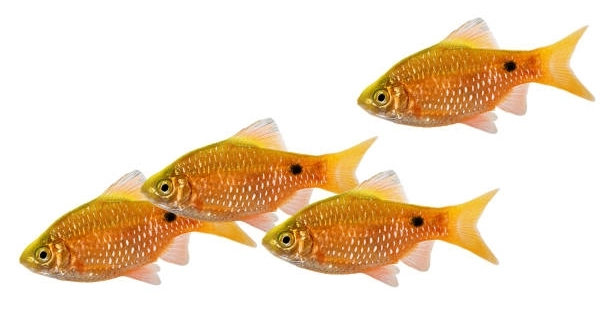
Rosy barbs are popular freshwater fish known for their vibrant colors and active behavior. Many aquarium owners enjoy watching their rosy barbs swim and change slightly in appearance over time. Understanding how and why their colors change can enhance your fish-keeping experience.
Rosy barbs can change color over time due to factors such as age, environment, diet, and stress. These changes are natural and can vary from subtle shifts to more noticeable differences in hue and intensity depending on conditions.
Knowing what influences color changes in rosy barbs helps you better care for them and maintain a healthy, colorful aquarium environment.
Why Do Rosy Barbs Change Color?
Rosy barbs change color primarily because of their environment and overall health. Their colors can become brighter or duller depending on water quality, lighting, and tank conditions. When water is clean and the temperature is stable, rosy barbs usually show their best colors. On the other hand, poor water conditions or sudden changes can cause their colors to fade. Diet also plays a key role. Foods rich in carotenoids, such as shrimp or specially formulated fish flakes, help maintain vibrant colors. Stress from overcrowding or aggressive tank mates may cause rosy barbs to lose their color temporarily. Aging is another factor; as rosy barbs grow older, their colors can naturally change or fade. Keeping a stable and healthy tank environment will encourage your rosy barbs to stay colorful and lively over time.
Color changes are often a sign of the fish adjusting to their surroundings or their health status.
Maintaining proper tank conditions and providing a balanced diet are the best ways to support your rosy barbs’ natural colors. Monitoring water parameters and avoiding stressful situations will help keep their color bright and consistent.
How to Encourage Bright Colors in Rosy Barbs
Bright colors in rosy barbs can be encouraged by creating an ideal environment and feeding them the right diet. Proper lighting that mimics natural daylight helps enhance their coloration without stressing them. Feeding high-quality foods rich in natural pigments will support the development of vibrant hues. Avoid sudden changes in water temperature or chemistry to reduce stress and color loss. Keeping the tank clean by regularly changing water and removing waste prevents health issues that affect color. Choosing compatible tank mates also reduces stress, which positively impacts their color. Lastly, a stable routine in feeding and maintenance helps rosy barbs feel secure and show their best colors over time. These steps are straightforward and effective for anyone wanting to see their rosy barbs shine brightly.
Impact of Stress on Rosy Barb Color
Stress can cause rosy barbs to lose their vibrant colors quickly. Stressors include poor water quality, overcrowding, or aggressive tank mates.
When rosy barbs experience stress, their bodies produce hormones that affect pigmentation. Stress reduces their immune system efficiency, making them more prone to illness. This weakens their overall health and dulls their color. Frequent changes in water parameters or handling can also contribute to stress. It’s important to maintain stable conditions and avoid sudden disruptions. Providing plenty of hiding places and keeping a peaceful community tank will minimize stress. By reducing stress, you help your rosy barbs keep their natural bright colors and stay healthy.
Proper tank maintenance and careful observation are essential to managing stress. Watching for changes in behavior or color can help catch problems early before they worsen.
Aging and Color Changes in Rosy Barbs
As rosy barbs age, their colors can shift naturally. Young rosy barbs tend to be less colorful, gaining brighter tones as they mature. Over time, however, older fish may show fading or dulling of their hues. This is part of their natural aging process and does not always indicate illness. It happens because pigment cells in their skin gradually lose intensity. While some color change is normal with age, drastic fading might signal health issues. Keeping older rosy barbs in good health with a proper diet and clean water can slow down this fading. Aging fish still deserve gentle care to help them look their best for as long as possible.
Seasonal Changes and Color Variation
Seasonal changes can affect rosy barb coloration. Variations in light and temperature may cause their colors to shift subtly. These changes are usually temporary and part of their natural response to the environment.
Adjusting tank conditions to mimic stable, tropical climates helps maintain consistent coloration year-round.
Diet’s Role in Enhancing Color
A diet rich in carotenoids and natural pigments is essential for vibrant rosy barb colors. Feeding high-quality flakes, pellets, or frozen foods containing ingredients like shrimp or spirulina supports color development. Supplements with natural additives can also boost pigmentation effectively.
Lighting and Color Expression
Proper lighting influences how rosy barbs display their colors. Bright, full-spectrum lights enhance their hues, while dim or poor lighting can cause dullness. Maintaining a consistent light cycle helps support their natural color expression.
FAQ
Can rosy barbs change color quickly?
Yes, rosy barbs can show color changes relatively quickly, especially when exposed to sudden stress, changes in water quality, or new lighting conditions. These changes might appear within a few days but can also take longer depending on the cause.
Why do my rosy barbs look pale?
Paleness in rosy barbs often signals stress, illness, or poor water conditions. Overcrowding, aggressive tank mates, or sudden water parameter changes can cause this. Improving tank conditions and monitoring their health can help restore their color.
Do rosy barbs regain color after stress?
They usually do, once the stress source is removed and the environment stabilizes. Clean water, proper diet, and peaceful tank mates are key factors to help rosy barbs recover their vibrant colors.
Does tank size affect rosy barb color?
A tank that is too small can stress rosy barbs, leading to dull colors. Providing enough space to swim freely and maintain good water quality supports healthy coloration.
What foods best enhance rosy barb colors?
Foods rich in carotenoids, like shrimp, spirulina, and high-quality flake or pellet foods designed for color enhancement, are best. A varied diet helps keep their colors bright and healthy.
Can lighting alone change rosy barb color?
Lighting affects how colors are expressed but cannot change their natural pigmentation permanently. Good lighting can make colors appear more vibrant, but poor lighting may dull their appearance.
Are color changes permanent?
Not always. Many color changes are temporary and linked to environment or health. Aging can cause gradual color loss, which is usually permanent.
How often should water be changed to maintain color?
Regular water changes—about 20-30% weekly—help keep water clean and support rosy barbs’ health and coloration. Stagnant or dirty water can cause fading and stress.
Does stress from tank mates affect color?
Yes. Aggressive or overly active tank mates can stress rosy barbs, causing colors to dull. Choose peaceful companions to reduce stress and keep colors vibrant.
Is it normal for rosy barbs to change color with age?
Yes. It is normal for older rosy barbs to lose some brightness as pigment cells become less active. This gradual change does not always mean health issues.
Can temperature changes influence color?
Temperature fluctuations can stress rosy barbs and affect their color. Maintaining a stable temperature within their ideal range helps preserve bright colors.
Should I isolate a rosy barb if its color fades?
Isolation isn’t always necessary unless the fish shows signs of illness or severe stress. Focus on improving tank conditions and reducing stressors first.
How long does it take for color to return after improvement?
Color can return within days to weeks after improving water quality, diet, and reducing stress, but timing varies depending on the individual fish and cause.
Do breeding rosy barbs change color?
During breeding, males often develop brighter colors to attract females. This color intensification is temporary and fades after the breeding period.
Can illness cause color loss?
Yes, diseases or infections can cause rosy barbs to lose color. Early treatment and proper care are essential to prevent permanent damage.
Is it normal for rosy barbs to darken?
Darkening can happen due to mood, stress, or changes in light. It’s often temporary but should be monitored to rule out health problems.
What is the best environment for vibrant colors?
A stable, clean tank with good lighting, proper diet, and compatible tank mates creates the best environment for vibrant rosy barb colors.
Are color changes a sign of poor health?
Not always. Some color changes are natural or due to aging. However, sudden or extreme changes often indicate stress or illness and require attention.
Can adding plants improve coloration?
Plants help create a natural environment, reduce stress, and improve water quality, which can support healthy coloration in rosy barbs.
How do I know if color loss is permanent?
If color loss occurs gradually with age or illness, it may be permanent. Quick color changes due to environment or stress usually improve with care.
Rosy barbs are known for their bright and attractive colors, which can change for several reasons over time. These changes are often influenced by factors like age, environment, diet, and stress. Understanding these influences helps in providing better care and maintaining their vibrant appearance. It is normal to see some variation in their colors, and this can even add interest to watching them as they grow and adapt to their surroundings. Paying attention to their tank conditions and health will allow you to enjoy their natural beauty for longer.
Maintaining stable and clean tank conditions is key to helping rosy barbs keep their bright colors. Regular water changes, proper lighting, and avoiding sudden changes in temperature or water quality all contribute to a healthy environment. Feeding them a balanced diet with ingredients rich in natural pigments supports their coloration and overall health. Reducing stress by selecting peaceful tank mates and avoiding overcrowding also makes a noticeable difference. With consistent care, rosy barbs tend to display their best colors and stay active and healthy.
While some color changes are a natural part of aging or temporary responses to environmental changes, sudden or drastic shifts should not be ignored. They may be signs of stress or health issues that need addressing. Observing your fish closely and adjusting care routines as needed will help prevent problems before they worsen. Remember, the colors of rosy barbs are influenced by many factors, but with proper care, they can remain beautiful and lively for many years.

Hello,
If you enjoy the content that we create, please consider saying a "Thank You!" by leaving a tip.
Every little bit helps us continue crafting quality advice that supports the health, happiness, and well-being of pets around the world, for pets of all shapes, sizes, and species.
We really appreciate the kindness and support that you show us!