
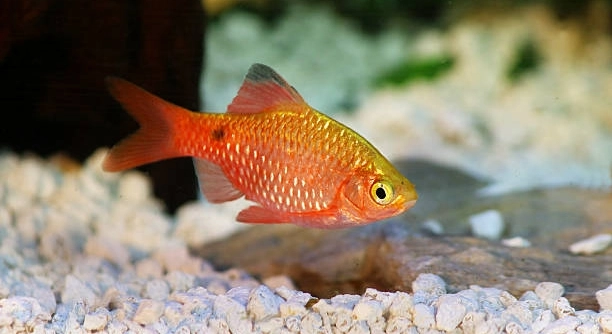
Rosy Barbs are popular aquarium fish known for their lively colors and active behavior. Keeping them comfortable in a tank requires attention to specific conditions and tank mates. Many common mistakes can cause stress or harm to these fish.
Rosy Barbs dislike overcrowded tanks, poor water quality, and aggressive tank mates. They also avoid tanks with insufficient hiding spots, inconsistent water temperature, and lack of swimming space. These factors negatively impact their health and well-being.
Knowing what bothers Rosy Barbs helps create a better environment for them. This article highlights key issues to avoid for a happier, healthier tank.
Overcrowded Tanks Stress Rosy Barbs
Overcrowding is one of the most common problems in home aquariums that affects Rosy Barbs. These fish need enough space to swim freely and establish their territory. When a tank is overcrowded, it increases competition for food and oxygen. This leads to constant stress and weakened immune systems. Stress also makes Rosy Barbs more vulnerable to diseases. It’s important to follow recommended stocking guidelines to avoid this problem. Typically, a group of Rosy Barbs requires at least 20 gallons of water to thrive. Providing adequate space helps them display natural behaviors and stay healthy. In addition to physical space, overcrowding causes water quality to decline faster. Waste builds up more quickly, which can lead to toxic conditions. Frequent water changes and good filtration are necessary to maintain a clean environment. Creating a balanced tank environment means managing the number of fish carefully and giving them enough room to live comfortably.
Overcrowding increases stress and lowers water quality, both of which harm Rosy Barbs’ health and longevity.
Managing tank population carefully keeps Rosy Barbs active and healthy. Adequate swimming space and clean water improve their overall well-being.
Aggressive Tank Mates Cause Problems
Choosing compatible tank mates is essential for maintaining peace in a Rosy Barb aquarium. Rosy Barbs are active but generally peaceful fish, so aggressive species can cause injury and stress. Aggressive fish may nip at their fins or chase them constantly, which can lead to physical damage and behavioral issues. This kind of harassment can reduce their appetite and increase susceptibility to illness. Avoid housing Rosy Barbs with highly territorial or fin-nipping species. Instead, select other peaceful, similarly sized fish that share the same water requirements. Providing plenty of hiding spots can also help Rosy Barbs escape unwanted attention. Plants, decorations, and caves offer shelter and break lines of sight, reducing aggression. Observing fish behavior regularly is important to detect any signs of bullying early. If aggression persists, consider separating the species to prevent further harm. A calm and secure environment supports the health and happiness of Rosy Barbs in the tank.
Poor Water Quality
Poor water quality quickly harms Rosy Barbs. High levels of ammonia, nitrites, or nitrates cause stress and illness. Regular water testing and maintenance are essential to keep parameters safe.
Maintaining clean water requires frequent water changes and a reliable filtration system. Without proper care, harmful chemicals build up, reducing oxygen levels and making the tank toxic. This environment weakens the fish’s immune system, making them prone to infections. Rosy Barbs also prefer slightly alkaline water with a stable pH around 7 to 8. Sudden changes in water chemistry can shock them, so it’s important to adjust parameters slowly when necessary. Consistent monitoring and upkeep ensure a healthy, balanced tank where Rosy Barbs can thrive.
Testing water weekly and doing partial water changes prevents toxic buildup. Investing in good filters and avoiding overfeeding also helps maintain water quality.
Lack of Hiding Spots
Rosy Barbs need places to hide to feel secure. Tanks without enough plants or decorations leave them exposed and stressed.
Providing hiding spots reduces stress by giving Rosy Barbs refuge from tank mates and bright lights. Dense plants, caves, and driftwood create a natural environment and break up open space. When fish have places to retreat, they are less likely to become aggressive or fearful. This promotes healthier behavior and reduces disease risk caused by stress. It’s important to balance hiding places with open swimming areas since Rosy Barbs are active swimmers. Using live or artificial plants can create shelter while maintaining proper water flow. A well-structured tank with adequate cover supports both the physical and mental well-being of these fish.
Inconsistent Water Temperature
Fluctuating water temperatures stress Rosy Barbs. They prefer stable temperatures between 74°F and 78°F. Sudden changes weaken their immune system.
Maintaining a steady temperature requires a reliable heater and regular monitoring. Avoid placing the tank near drafts, windows, or heating vents to prevent temperature swings.
Insufficient Swimming Space
Rosy Barbs are active swimmers and need open areas in the tank. Cramped spaces limit their movement and cause frustration.
Providing enough open water lets them swim naturally and stay healthy. Avoid overcrowding decorations that block their swimming paths.
Lack of Proper Diet
A poor diet impacts Rosy Barbs’ color, growth, and overall health. Feeding only flakes or low-quality food is not enough.
What do Rosy Barbs eat?
Rosy Barbs are omnivores, so they eat both plant and animal matter. A balanced diet includes high-quality flakes or pellets formulated for tropical fish, supplemented with live or frozen foods like brine shrimp, daphnia, and bloodworms. Vegetables like blanched spinach or zucchini are also beneficial. Feeding a varied diet helps maintain their vibrant colors and overall health. Avoid overfeeding, as excess food can pollute the tank and harm water quality. Feeding small amounts twice a day is ideal to keep them active and healthy.
How often should I change the water?
Water changes should happen weekly, replacing about 20–30% of the tank volume each time. This helps keep ammonia and nitrate levels low and maintains good water quality. In tanks with heavier stocking or less filtration, more frequent changes might be necessary. Use a water conditioner to remove chlorine and chloramine from tap water before adding it to the tank. Regular water changes reduce stress and disease risks for Rosy Barbs, promoting a stable environment.
Can Rosy Barbs live with other fish?
Yes, Rosy Barbs generally get along with other peaceful, active fish of similar size. Avoid aggressive or very small species that might be nipped. Good tank mates include danios, tetras, and other barbs that share similar water needs. Always monitor fish behavior for signs of stress or aggression and provide plenty of hiding places. Compatibility depends on tank size and setup, so careful planning is important to keep the community peaceful and balanced.
How large should the tank be?
A minimum tank size of 20 gallons is recommended for a small group of Rosy Barbs. These fish are active swimmers and need room to move freely. Larger tanks offer more stable water conditions and space for decorations and hiding spots. Overcrowding should be avoided to reduce stress and maintain good water quality. A bigger tank allows for a more natural environment and helps prevent territorial disputes.
What water parameters do Rosy Barbs prefer?
Rosy Barbs thrive in water with a temperature between 74°F and 78°F, a pH range of 7.0 to 8.0, and moderate hardness (10–15 dGH). Stability is key—sudden changes in temperature or pH can stress the fish. Maintaining consistent conditions helps support their immune system and encourages natural behavior. Use reliable test kits to monitor water parameters regularly and make adjustments gradually when necessary.
How can I tell if my Rosy Barbs are stressed?
Signs of stress include faded colors, erratic swimming, loss of appetite, hiding excessively, or fin damage. Stress can result from poor water quality, aggressive tank mates, overcrowding, or inconsistent conditions. Early detection is important to prevent illness. Improving water quality, providing hiding spots, and ensuring proper tank mates can reduce stress and help fish recover quickly.
Do Rosy Barbs need a heater?
Yes, a heater is important to maintain a stable temperature within their preferred range. Without consistent warmth, Rosy Barbs can become sluggish or sick. Choose a reliable heater suitable for your tank size, and use a thermometer to monitor the temperature regularly. Avoid placing the tank near drafts or heat sources to reduce fluctuations.
How long do Rosy Barbs live?
With proper care, Rosy Barbs typically live between 5 and 8 years. Good diet, stable water conditions, and a peaceful tank environment contribute to their longevity. Regular maintenance and monitoring for health issues help ensure they live a full life.
Can Rosy Barbs breed in a home aquarium?
Yes, Rosy Barbs can breed if the conditions are right. They need a separate breeding tank with clean, slightly warmer water and plenty of plants for egg laying. Males become more colorful during breeding and may chase females. After spawning, parents should be removed to prevent them from eating the eggs. Fry require specialized food and care for healthy growth.
How often should I feed my Rosy Barbs?
Feeding twice daily in small amounts is best. Overfeeding can cause water pollution and health problems. Offer only what they can eat within a few minutes. A varied diet supports good health and vibrant colors. Regular feeding schedules help maintain consistent behavior and reduce stress.
Rosy Barbs are lively and colorful fish that can brighten any aquarium. They thrive best when their environment meets specific needs. Providing enough space, clean water, and compatible tank mates is important to keep them healthy. Avoiding overcrowding helps reduce stress and ensures they have room to swim freely. Proper water quality is essential because harmful chemicals build up quickly in crowded or poorly maintained tanks. Regular water testing and changes prevent dangerous conditions and keep the fish comfortable. A stable temperature and balanced water parameters support their immune system and natural behavior. Taking these factors into account creates a peaceful, safe habitat where Rosy Barbs can flourish.
Another important aspect is tank decoration. Rosy Barbs benefit from hiding spots such as plants, caves, or driftwood. These areas allow them to retreat when they feel threatened or need rest. A tank without enough cover can leave them feeling exposed and anxious, which increases their stress levels. Stress weakens their defenses and can lead to illness or aggression. At the same time, it is important to maintain open swimming space since these fish are active swimmers. A well-arranged tank balances shelter and open areas, promoting healthy behavior. Choosing peaceful tank mates and avoiding aggressive species also helps maintain calm and harmony in the aquarium.
Feeding Rosy Barbs a varied diet supports their growth and vibrant colors. They are omnivores, so a mix of quality flakes or pellets with occasional live or frozen foods works best. Overfeeding should be avoided, as leftover food can spoil water quality and harm fish health. Regular monitoring of their behavior and appearance helps catch early signs of stress or illness. When the environment meets their needs, Rosy Barbs live longer and display more natural, energetic behaviors. Caring for them requires attention and routine maintenance, but the result is a lively, healthy tank full of beautiful, active fish.

Hello,
If you enjoy the content that we create, please consider saying a "Thank You!" by leaving a tip.
Every little bit helps us continue crafting quality advice that supports the health, happiness, and well-being of pets around the world, for pets of all shapes, sizes, and species.
We really appreciate the kindness and support that you show us!