
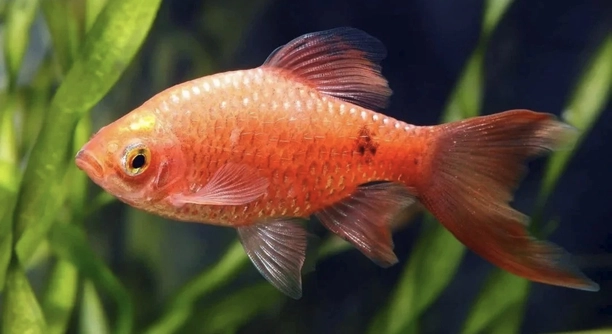
Rosy barbs are popular freshwater fish known for their bright colors and lively behavior. Many aquarium owners enjoy watching them thrive in home tanks. Understanding their natural habits can improve care and help maintain a healthy environment.
When a rosy barb is laying eggs, females display specific physical and behavioral signs such as swollen bellies, increased hiding, and active chasing by males. These indicators help identify the breeding process and the presence of eggs in the aquarium.
Recognizing these signs can improve breeding success and overall fish well-being. This guide will help you spot the subtle clues your rosy barb is ready to lay eggs.
Swollen Belly in Female Rosy Barbs
One of the earliest signs that a rosy barb is preparing to lay eggs is a noticeable swelling of the female’s belly. This happens because the eggs develop inside her body, causing her abdomen to enlarge. The swelling is more visible when compared to her usual size and shape. You might also notice that the female seems less active or prefers to stay near plants and hiding spots. This behavior helps protect her as she prepares to release the eggs. During this time, males often swim closely around her, sometimes nudging or chasing her gently. The belly swelling usually lasts a few days until she lays the eggs, after which her shape will return to normal.
Swollen bellies are a clear physical signal that your female rosy barb is ready to spawn soon. Watching for this sign can help you prepare the tank for breeding.
Noticing a swollen belly early allows you to create a safe environment for the eggs. You may want to add fine-leaved plants or spawning mops where the eggs can be laid and protected from being eaten. Also, ensuring good water quality and a calm environment supports successful spawning and healthy fry development.
Increased Hiding Behavior
During egg-laying periods, female rosy barbs tend to hide more than usual. They seek places where they feel safe from other fish, especially males that might chase them.
This hiding is a natural way for the female to protect herself and the developing eggs. You can add extra decorations or plants to provide more hiding spots. Pay attention to changes in tank activity to spot when your rosy barb is preparing to lay eggs.
Active Chasing by Males
Male rosy barbs become noticeably more active when a female is ready to lay eggs. They often swim quickly around the female, sometimes nudging or chasing her gently.
This chasing behavior is part of the breeding ritual. Males try to encourage the female to release her eggs by staying close and showing interest. This can seem a little aggressive, but it’s normal and usually not harmful. The chasing can last for several hours or even days, depending on how ready the female is to spawn. It is important to watch that the female is not overly stressed during this time, as excessive chasing can affect her health.
If the chasing seems too intense, giving the female more places to hide can help reduce stress. Plants, caves, or decorations provide spots where she can rest and avoid constant attention. Keeping the tank environment calm and well-maintained also supports healthier breeding behavior.
Appearance of Tiny White Eggs
Tiny white eggs may appear stuck to plants, decorations, or the aquarium glass after the female lays them. These eggs are small and often transparent or slightly cloudy.
Eggs are delicate and require a clean, safe environment to develop properly. The female scatters them, and they often stick to surfaces rather than being laid in one spot. If you notice eggs, it means breeding has successfully occurred. It is important to remove adult fish from the breeding tank or provide enough cover because adults might eat the eggs. Good water quality and gentle filtration are also important to keep the eggs healthy during development.
Eggs usually hatch within a few days, and the tiny fry will need very fine food after they emerge. Preparing for this stage will increase the chances of survival for the young rosy barbs.
Changes in Color Intensity
Rosy barbs often show brighter colors when they are ready to breed. The males, in particular, display more intense reds and pinks during this time.
This color change helps attract females and signals breeding readiness. It can also indicate good health and proper nutrition, which are important for successful spawning.
Restlessness Before Spawning
Before laying eggs, female rosy barbs may become restless. They swim around more than usual and seem unsettled.
This behavior reflects hormonal changes as the female prepares to release her eggs. Restlessness may last a few hours or days, signaling that spawning is near.
Egg Laying Location Preference
Females prefer to lay eggs on fine plants or surfaces with texture. Providing spawning mops or dense plants encourages natural egg-laying behavior.
Male Guarding Behavior
After eggs are laid, males sometimes guard the area. This protects the eggs from other fish, increasing their chances of survival.
FAQ
How can I tell if my rosy barb is actually laying eggs or just swollen?
A swollen belly in female rosy barbs is a key sign of egg development, but it’s important to watch for other behaviors too. If you see the female hiding more and males actively chasing her, it’s likely she is preparing to lay eggs. Swelling alone might sometimes indicate illness, so observing the full range of signs helps confirm spawning activity.
What should I do when I see eggs in the tank?
Once eggs are visible, it’s best to separate adult fish or provide plenty of hiding places. Adults can eat the eggs, reducing the number of fry. Fine-leaved plants or spawning mops are ideal surfaces for eggs to stick to. Maintain good water quality and gentle filtration to support egg development without disturbing them.
How long does it take for rosy barb eggs to hatch?
Rosy barb eggs typically hatch within two to three days after being laid, depending on water temperature. Warmer water speeds up development, while cooler water slows it down. After hatching, the tiny fry will need very small, frequent feedings of specialized food like infusoria or finely crushed flakes.
Can all rosy barbs in my tank spawn at the same time?
Not necessarily. Female rosy barbs spawn at different times based on individual readiness and environmental factors. It’s common for some females to lay eggs while others show no signs. Providing optimal tank conditions helps encourage multiple fish to breed successfully, but expect some variation.
Will the male always chase the female during breeding?
Males often chase females as part of their courtship, but the intensity can vary. Chasing helps stimulate the female to release eggs, but if it becomes too aggressive, it can stress the female. Adding hiding spots reduces stress and gives the female a chance to rest away from constant attention.
What is the best way to care for rosy barb fry?
After hatching, rosy barb fry need clean water and very fine food. Frequent small feedings of infusoria, newly hatched brine shrimp, or crushed flakes support healthy growth. Keep the tank quiet and stable, and avoid adding large or aggressive fish that might harm the fry. Regular water changes help maintain a healthy environment for young fish.
Do rosy barbs need special tank conditions to lay eggs?
While rosy barbs are hardy, they prefer slightly cooler water around 70-75°F (21-24°C) for spawning. Soft to moderately hard water with a neutral pH is best. Providing plenty of plants and gentle water flow encourages natural breeding behavior. Good nutrition and stable water conditions are key to successful egg laying.
How often do rosy barbs lay eggs?
Rosy barbs can spawn several times during the warmer months if conditions are right. Typically, females lay eggs every few weeks. However, frequent spawning requires good tank maintenance and nutrition to keep the fish healthy and ready for the next cycle.
Is it normal for some eggs not to hatch?
Yes, it is common for some eggs to fail to develop or hatch. Factors like water quality, fungal infections, or damage during spawning can affect egg viability. Removing unfertilized or fungus-infected eggs helps protect healthy ones. Maintaining clean water and reducing stress improves hatching success.
Should I feed the adult rosy barbs differently when they are breeding?
Feeding adult rosy barbs a varied diet rich in protein helps support breeding activity. Live or frozen foods like bloodworms, brine shrimp, and high-quality flakes encourage health and reproductive readiness. Avoid overfeeding to prevent water quality issues, which can harm both adults and developing eggs.
Final Thoughts
Watching your rosy barbs lay eggs can be a rewarding experience. Knowing the signs, such as a swollen belly, increased hiding, or active chasing, helps you understand their natural behavior better. These signs show that your fish are healthy and ready to reproduce. Being aware of these clues allows you to prepare the tank environment, making it safer and more comfortable for both the adults and their eggs. Creating a calm, clean space with plenty of plants or decorations encourages successful spawning and protects the eggs from harm.
It is important to keep the tank clean and maintain stable water conditions throughout the breeding process. Good water quality helps the eggs develop properly and reduces the risk of fungal infections or other problems. Providing hiding spots reduces stress for the female, especially when males become very active in chasing her. Feeding your rosy barbs a balanced diet also plays a big role in their readiness to breed. Healthy fish are more likely to spawn successfully, and the fry will grow stronger when the parents are well cared for.
Breeding rosy barbs takes patience and attention to detail. Not every spawning attempt will result in many surviving fry, and some eggs may not hatch. This is a natural part of fish breeding. However, by learning the signs and adjusting your tank setup accordingly, you can improve the chances of success. Watching the whole process unfold can deepen your connection with your fish and make caring for them even more enjoyable. With time, you will become more confident in spotting when your rosy barbs are ready to lay eggs and how to support them through each stage.

Hello,
If you enjoy the content that we create, please consider saying a "Thank You!" by leaving a tip.
Every little bit helps us continue crafting quality advice that supports the health, happiness, and well-being of pets around the world, for pets of all shapes, sizes, and species.
We really appreciate the kindness and support that you show us!