
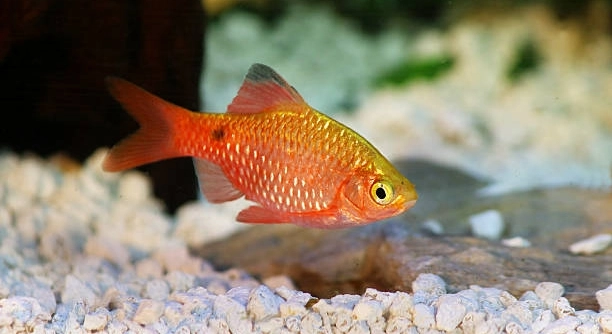
Rosy barbs are popular aquarium fish known for their bright colors and active nature. Sometimes, these fish can be seen gasping at the water surface, which can worry many fish owners. This behavior often signals an issue with their environment or health.
Gasping at the surface usually indicates low oxygen levels in the water or poor water quality, causing the fish to seek air. It may also be a sign of stress, disease, or improper tank conditions that need immediate attention.
Knowing the reasons behind this behavior can help you take the right steps to improve your fish’s well-being and keep your aquarium healthy and balanced.
Common Causes of Rosy Barb Gasping
When rosy barbs gasp at the surface, low oxygen in the water is often the reason. Oxygen levels can drop if the tank is overcrowded, or if the water temperature is too high. Warm water holds less oxygen, which stresses the fish. Another cause is poor water quality, including high ammonia or nitrate levels. These chemicals can build up quickly if the tank is not cleaned regularly. Additionally, inadequate filtration or lack of water movement reduces oxygen circulation. Sometimes, the fish may also be reacting to disease or parasites affecting their gills. Monitoring these factors helps maintain a healthy environment. Testing water regularly and keeping the tank clean are essential. You might also want to check your filter to ensure it is working well. Increasing aeration or adding plants can improve oxygen levels and help your rosy barbs feel more comfortable in their tank.
Proper tank maintenance is the easiest way to prevent gasping behavior and keep your fish healthy.
Fish can be sensitive to changes in their environment. Even small shifts in temperature or water chemistry may cause stress. Stress weakens their immune system, making them more vulnerable to infections. Infections in the gills can reduce oxygen absorption, leading to gasping. Parasites such as gill flukes attach to the gill tissue and cause irritation. This irritation causes fish to breathe faster or gasp for air. It’s important to observe your fish closely for other signs like lethargy, clamped fins, or unusual spots. Quarantining new fish before adding them to the main tank reduces disease risk. If you notice persistent gasping, testing water parameters and consulting a vet or experienced hobbyist can help identify the problem. Early detection and action can save your rosy barbs from severe health issues.
How to Improve Oxygen Levels in Your Tank
Increasing oxygen in the tank can quickly help your rosy barbs breathe easier. Simple steps include adding an air stone or air pump, which boosts water movement and oxygen exchange.
You can also reduce the water temperature slightly, as cooler water holds more oxygen. Avoid overcrowding your tank to lower oxygen demand. Performing regular water changes helps remove waste and toxins that affect oxygen levels. If you have live plants, they can improve oxygen during the day but may consume oxygen at night, so balance is important. Improving surface agitation by adjusting filter outflow or using a spray bar also increases oxygen absorption. Taking these actions will help create a stable and healthy environment, so your rosy barbs stop gasping and start thriving. Consistent care is key to preventing future oxygen problems and keeping your fish happy.
Signs of Stress in Rosy Barbs
Stress in rosy barbs often shows through changes in behavior. They may become less active or hide more than usual. Gasping at the surface is a clear sign of distress.
Other signs include loss of appetite, faded color, and clamped fins. Stress weakens the immune system, making fish prone to illness. It can result from poor water quality, overcrowding, or sudden changes in the tank environment. Keeping conditions stable and clean reduces stress. Watching your fish daily helps catch problems early. Stress is often the root cause behind gasping, so addressing it improves overall fish health and comfort.
Stress can lead to illness and even death if not managed. Preventing stress is the best way to keep your rosy barbs healthy for a long time.
Diagnosing Water Quality Issues
Testing water quality is essential if your rosy barbs gasp at the surface. Key parameters to check include ammonia, nitrite, nitrate, pH, and temperature. Ammonia and nitrite should always be zero, as they are toxic. Nitrate should be kept low through regular water changes. pH should be stable and appropriate for rosy barbs, usually between 6.5 and 7.5. Temperature should stay between 74°F and 78°F, as higher temperatures lower oxygen availability. Testing kits are affordable and easy to use. Regular testing allows you to catch and fix water issues before fish become stressed or sick.
Keeping water parameters in check prevents gasping and promotes a healthier tank. Adjusting filtration, water changes, and temperature control are often needed based on test results. Consistency is key to maintaining a safe environment for your fish.
Preventing Overcrowding
Overcrowding reduces oxygen and increases waste in the tank, causing stress and gasping. It’s important to keep the number of rosy barbs appropriate for your tank size.
A good rule is one inch of fish per gallon of water. This helps maintain water quality and gives each fish enough space to swim comfortably.
Proper Filtration Importance
A strong, efficient filter removes waste and toxins that lower water quality. It also keeps the water moving, which helps oxygen circulate. Filters should match the tank size and be cleaned regularly. Without proper filtration, harmful chemicals build up, causing fish to gasp and become sick. Maintaining your filter improves your rosy barbs’ health and comfort.
Treating Gill Parasites
Gill parasites cause irritation and reduce oxygen absorption. Treatment often involves medication prescribed for fish parasites.
Early treatment prevents serious damage to the gills and helps fish recover quickly.
Adjusting Water Temperature
Keeping the water temperature stable helps maintain oxygen levels. Avoid letting it rise above 78°F to reduce stress on your rosy barbs.
FAQ
Why is my rosy barb gasping at the surface only sometimes?
Fish may gasp occasionally when oxygen levels drop temporarily. This can happen during feeding, when many fish swim near the surface, or if the water temperature rises for a short time. If gasping happens only briefly and rarely, it might not be a big concern. However, if it becomes frequent or constant, it indicates an ongoing problem that needs fixing.
How often should I test my tank water to prevent gasping?
Testing water once a week is a good practice for maintaining a healthy aquarium. Regular testing helps detect harmful changes in ammonia, nitrite, nitrate, pH, and temperature before fish get stressed. During new setups or if problems arise, more frequent testing is recommended until the tank stabilizes.
Can plants help with oxygen levels in the tank?
Yes, live plants produce oxygen during the day through photosynthesis. They also absorb nitrates, helping maintain water quality. However, plants consume oxygen at night, so they don’t replace good aeration systems. Balancing plants with proper filtration and aeration keeps oxygen levels stable for rosy barbs.
Is tank size important to prevent gasping?
Tank size directly affects water quality and oxygen availability. Larger tanks dilute waste better and hold more oxygen. Small tanks can quickly become overcrowded and polluted, causing fish to gasp. For rosy barbs, a minimum of 20 gallons is recommended for a small group to avoid these issues.
Can gasping be a sign of disease in rosy barbs?
Yes, gasping can indicate diseases such as gill infections, parasites, or fungal growth. These conditions damage the gills, reducing their ability to absorb oxygen. Look for other signs like lethargy, abnormal swimming, or visible spots. Early treatment improves the chance of recovery.
What should I do if water tests show high ammonia or nitrite?
High ammonia or nitrite levels are dangerous and require immediate action. Perform a partial water change to lower toxins. Check and clean your filter to ensure it is working correctly. Avoid feeding your fish too much, as excess food raises waste. Repeat water tests daily until levels return to safe ranges.
Does temperature affect how much oxygen the water holds?
Yes, warmer water holds less oxygen. If the temperature rises above 78°F, oxygen levels drop and fish may gasp more often. Keep the tank temperature stable and within the recommended range for rosy barbs (74°F–78°F). Use a heater or cooling methods if necessary.
Can adding an air stone help with gasping?
An air stone increases water movement and surface agitation, which improves oxygen exchange. It is a simple and effective way to increase oxygen levels, especially in tanks with poor circulation. Adding one often helps reduce gasping if low oxygen is the cause.
How often should I clean my tank to prevent gasping?
Regular cleaning is essential. Partial water changes of 20-30% every one to two weeks keep waste levels low. Clean the gravel and remove uneaten food. Avoid full water changes, which can stress fish. Maintaining a clean tank supports good water quality and healthy fish breathing.
Are there any signs that indicate oxygen levels are safe?
Active swimming, normal breathing, bright colors, and regular eating are good signs. Fish resting calmly without gasping at the surface means oxygen levels are likely adequate. Cloudy water, algae blooms, or frequent gasping indicate poor conditions needing attention.
Can overcrowding cause gasping in rosy barbs?
Yes, overcrowding increases oxygen demand and waste production. Too many fish in one tank quickly lowers water quality and oxygen. Keeping the right number of fish per gallon helps prevent gasping and keeps the tank environment stable.
What should I do if my rosy barb has parasites?
Consult a fish specialist or use recommended anti-parasitic treatments. Quarantine affected fish to stop the spread. Maintain good water quality and reduce stress to support recovery. Early action is important for parasite problems.
Is it normal for rosy barbs to occasionally swim near the surface?
Yes, swimming near the surface can be normal behavior, especially during feeding or when they explore. Constant or rapid gasping at the surface, however, is a warning sign and should be addressed.
Can a malfunctioning filter cause gasping?
A broken or clogged filter reduces water flow and oxygenation. This leads to poor water quality and low oxygen. Regularly check and maintain your filter to prevent this problem and keep fish breathing easily.
How long can rosy barbs survive with low oxygen?
Fish can survive short periods of low oxygen but prolonged exposure causes stress, illness, and death. Addressing oxygen issues quickly is important to avoid permanent damage.
Are there natural ways to increase oxygen besides aeration devices?
Besides air stones, adding live plants, improving water circulation with powerheads, and increasing surface agitation help oxygen levels. Avoid overcrowding and keep water clean to maintain balance naturally.
Rosy barbs are lively and colorful fish that many people enjoy keeping in their aquariums. When these fish start gasping at the surface, it usually means something in their environment is not right. Most often, low oxygen levels or poor water quality cause this behavior. It is important to pay close attention to how your fish behave and check the water conditions regularly. Keeping the tank clean and well-maintained will help prevent most problems that cause gasping. Simple actions like testing the water, cleaning the tank, and making sure the filter works well can make a big difference in your fish’s health.
Stress and disease also play a role in why rosy barbs gasp at the surface. Stress can be caused by many things, such as overcrowding, sudden changes in water temperature, or poor water quality. When fish are stressed, their immune system weakens, and they become more prone to infections. Gill parasites and other diseases can damage the fish’s ability to breathe properly, making gasping worse. If you notice signs like lethargy, loss of appetite, or changes in color, it is a good idea to act quickly. Treating your fish and improving tank conditions early on can save them from serious harm.
Overall, keeping rosy barbs healthy and happy depends on good care and attention. Watching your fish daily, testing water often, and responding to problems right away helps avoid gasping issues. Adding aeration, avoiding overcrowding, and maintaining proper temperature also support their well-being. By taking these steps, you can create a safe and comfortable home for your rosy barbs. This makes their tank a pleasant and peaceful place to watch and enjoy. Caring for fish is a rewarding experience, and with the right approach, your rosy barbs will thrive for years to come.

Hello,
If you enjoy the content that we create, please consider saying a "Thank You!" by leaving a tip.
Every little bit helps us continue crafting quality advice that supports the health, happiness, and well-being of pets around the world, for pets of all shapes, sizes, and species.
We really appreciate the kindness and support that you show us!