
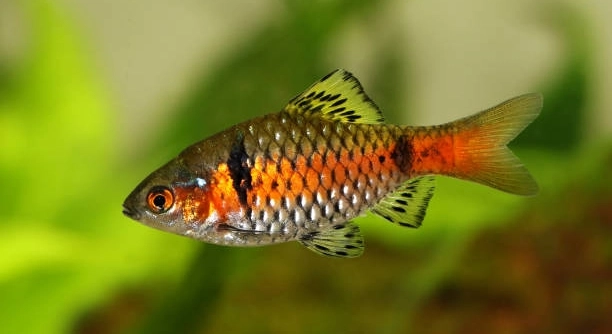
Do you ever find yourself fascinated by the bright colors and active behavior of rosy barbs in your home aquarium? These lively fish are a favorite among hobbyists for their beauty and playful nature.
The key to breeding rosy barbs at home lies in creating the right environment, maintaining ideal water conditions, and selecting healthy breeding pairs. With patience and care, successful breeding can be achieved in a home setup.
From tank setup and feeding to recognizing signs of readiness, each step plays a role in your breeding success.
Step 1: Set Up a Separate Breeding Tank
Rosy barbs need a calm and controlled space to breed successfully. A separate breeding tank helps you manage water conditions, prevent aggression, and protect the eggs. Start with a 10 to 20-gallon tank. Add a sponge filter for gentle filtration and maintain a temperature between 74°F and 78°F. Keep the lighting moderate and place fine-leaved plants or a spawning mop to catch the eggs. Avoid gravel or decorations that can trap eggs or make cleaning harder. It’s important to keep this tank clean and free of other fish that may disturb or eat the eggs once laid.
Make sure the breeding tank is cycled before adding any fish. Stable water quality is essential for both breeding success and egg survival.
Use aged water to fill the tank, and check the pH level—it should be slightly acidic to neutral (around 6.5–7.0). Keeping the setup simple helps you monitor everything more easily.
Step 2: Choose the Right Breeding Pair
Healthy breeding starts with selecting the right pair. Choose mature rosy barbs that are active, brightly colored, and show no signs of illness.
Females are usually rounder in the belly, while males have more vibrant colors, especially when they are ready to spawn. Look for fish that are at least six months old. You’ll want to condition the pair with high-quality food like brine shrimp or bloodworms for about one to two weeks before moving them to the breeding tank. This helps stimulate spawning behavior and improves egg production. Place them in the tank in the evening and observe them the next morning. If the conditions are right, the female will scatter eggs, and the male will fertilize them shortly after. Once spawning is complete, remove the adults to prevent them from eating the eggs. Proper pair selection and conditioning can make a big difference in your breeding success.
Step 3: Trigger Spawning with the Right Conditions
Keep the water slightly cooler during conditioning, then raise the temperature slowly by 2–3°F to encourage spawning. This change mimics natural conditions and helps stimulate breeding behavior in rosy barbs.
Spawning usually happens early in the morning. Once in the breeding tank, make sure the male is actively chasing the female. This is a good sign that spawning will soon occur. If nothing happens within a few days, do a partial water change using slightly cooler water. This often encourages the pair to spawn. Keep lighting soft and consistent. Too much light or activity around the tank can disrupt the process. Stay consistent with feeding during this time. A protein-rich diet keeps both fish healthy and increases the chance of successful egg development. Once eggs are laid and fertilized, remove the adults right away.
The eggs are sticky and will attach to plants, spawning mops, or the tank bottom. They are small and translucent. A single female can lay several hundred eggs at once, depending on her size and condition. After removing the adults, you can add a few drops of methylene blue to help prevent fungus on the eggs. Use a gentle air stone or keep the sponge filter running to maintain water circulation and oxygen. Watch for eggs turning white—they’re likely not fertilized.
Step 4: Care for the Eggs and Fry
Fertilized eggs should hatch in 24 to 48 hours. The temperature should remain steady around 78°F to support proper development.
Once hatched, the fry will rest at the bottom for a day or two, absorbing their yolk sacs. During this time, avoid feeding. Keep the tank clean and water parameters stable. After the yolk sac is absorbed, start feeding infusoria or liquid fry food in small amounts. Do this 3–4 times a day. In a few days, you can introduce baby brine shrimp. Keep lighting dim at first, as fry are sensitive to bright light. Make sure the filter isn’t too strong. A sponge filter or air stone works best to keep them safe. Regular water changes, about 10–15% every few days, will help with growth and health. Avoid overfeeding—small, frequent meals are better.
Step 5: Maintain Water Quality
Change 10–15% of the water every two to three days to keep ammonia and nitrate levels low. Use dechlorinated water that matches the tank’s temperature to avoid stressing the fry.
Keep the sponge filter clean and running. Remove any leftover food daily to prevent water from becoming cloudy or toxic.
Step 6: Monitor Growth and Separate by Size
As the fry grow, some will outpace others. Separate the larger ones into a different tank to prevent bullying or accidental eating. This helps reduce stress and ensures smaller fry have better access to food. Continue feeding high-protein options like baby brine shrimp, powdered fry food, or crushed flakes. By the fourth week, some fry will start to show slight color and body shape changes. Perform regular water tests and keep up with small water changes. Once they reach about half an inch in size, you can gradually introduce them to a regular community tank, but only if tank mates are peaceful and similar in size.
Step 7: Track Behavior and Health
Watch for signs of stress, odd swimming, or discoloration. Healthy fry are active and respond to movement.
How long does it take for rosy barb eggs to hatch?
Rosy barb eggs typically hatch within 24 to 48 hours after being laid. The exact timing depends on water temperature, with warmer water speeding up development. Keeping the tank around 78°F helps ensure a timely hatch. Once hatched, the fry will stay near the bottom for another day or two while absorbing their yolk sacs before they start swimming and feeding.
What is the best food to feed rosy barb fry?
During the first few days, fry rely on their yolk sacs for nutrition and don’t need feeding. Once they begin swimming freely, feed them tiny foods like infusoria or commercially available liquid fry food. After about a week, introduce newly hatched brine shrimp or finely crushed flakes. Frequent small feedings, about 3–4 times daily, promote steady growth and prevent water pollution from uneaten food.
Can rosy barbs breed in a community tank?
While rosy barbs may spawn in a community tank, it’s less likely the eggs and fry will survive. Other fish often eat the eggs and young fry. For successful breeding, use a separate breeding tank to protect the eggs and control water conditions. After spawning, remove the adults to reduce the risk of egg predation.
How many eggs does a female rosy barb lay?
A healthy female rosy barb can lay anywhere from 200 to 500 eggs in a single spawning event. The exact number varies depending on her size, age, and overall health. More eggs increase the chances of successful fry, but not all eggs will hatch or survive. Proper care and environment improve survival rates.
Is it necessary to use a heater in the breeding tank?
Yes, maintaining a stable temperature between 74°F and 78°F is important for breeding success. A heater helps keep the water temperature consistent, which encourages spawning and healthy egg development. Sudden temperature changes can stress the fish and reduce the chances of successful breeding.
How do I prevent fungus on rosy barb eggs?
Adding a few drops of methylene blue to the breeding tank can help prevent fungus growth on eggs. Maintaining good water quality and gentle circulation with a sponge filter also reduces fungus risk. Remove any unfertilized or white eggs promptly to avoid fungus spreading to healthy eggs.
When should I remove the adult rosy barbs after spawning?
Remove the adults immediately after spawning to protect the eggs from being eaten. Rosy barbs may eat their own eggs if left in the breeding tank. Removing them also reduces stress on the adults and gives the eggs the best chance to develop safely.
What water parameters are ideal for breeding rosy barbs?
Ideal water parameters include a pH between 6.5 and 7.0, soft to moderately hard water, and temperature around 74°F to 78°F. Stable conditions without sudden changes are key. Keeping ammonia and nitrite at zero is critical, so regular water testing and partial water changes are important throughout the breeding process.
How often should I change water during fry rearing?
Change about 10–15% of the water every two to three days during fry rearing. Use dechlorinated water that matches the tank temperature. Frequent small water changes help keep ammonia and nitrate levels low without stressing the fry. Avoid large water changes as they can cause sudden shifts in water chemistry.
What signs show that rosy barb fry are healthy?
Healthy fry are active, swim steadily, and respond to food. They have clear eyes and their bodies develop normal shape and color over time. Watch for consistent growth and no signs of lethargy or unusual swimming behavior. If fry start hiding constantly or lose appetite, check water quality and feeding practices.
Can I breed rosy barbs without live plants?
Live plants are helpful but not absolutely required. They provide surfaces for eggs to stick to and improve water quality. If you don’t have live plants, use spawning mops or fine-leaved artificial plants as an alternative. These options help protect eggs and give them places to attach safely during spawning.
How long until rosy barb fry reach maturity?
Rosy barb fry typically reach maturity in about 6 to 8 months. Growth rate depends on food quality, water conditions, and tank space. Providing proper nutrition and stable conditions helps fry develop into healthy adults faster. Once mature, they can be conditioned for breeding in turn.
What should I do if some fry appear weak or sick?
Remove weak or sick fry promptly to prevent spreading illness. Check water parameters for ammonia, nitrite, and nitrate. Improve water quality with frequent small water changes and avoid overfeeding. If disease symptoms persist, consider treatment with medications safe for fry, but use caution as young fish are sensitive.
Is it normal for some eggs not to hatch?
Yes, it is normal for some eggs not to hatch. Unfertilized eggs or those affected by fungus will turn white and fail to develop. Removing these eggs quickly helps protect the healthy ones. Expect a natural loss of some eggs; successful breeders focus on maximizing care to improve hatch rates.
How can I tell male and female rosy barbs apart?
Males have brighter colors, especially during breeding, with more intense red or orange hues on their fins and body. Females tend to be rounder and fuller in the belly, especially when ready to spawn. Observing behavior can also help; males often chase females during courtship.
Can rosy barbs breed multiple times a year?
Yes, under the right conditions, rosy barbs can breed multiple times per year. Maintaining good water quality, proper diet, and stable temperature encourages repeated spawning. However, giving the fish time to recover between spawnings ensures better health and egg quality.
This FAQ covers common concerns about breeding rosy barbs and should help you manage the process confidently. If you keep monitoring water conditions and fish health, breeding rosy barbs at home becomes a rewarding and manageable task.
Breeding rosy barbs at home is a rewarding experience that requires patience and attention to detail. Creating the right environment, selecting healthy breeding pairs, and maintaining good water quality are all important steps to ensure success. The process may seem a bit challenging at first, but with practice, it becomes easier to recognize the signs of spawning and care for the eggs and fry properly. Taking the time to understand the needs of these fish helps provide a safe and healthy space for them to grow and reproduce.
It is important to be consistent in your care routine. Regular water changes, proper feeding, and monitoring of temperature and water parameters make a big difference in how well the eggs develop and how healthy the fry become. Removing adult fish after spawning prevents them from eating the eggs, which improves survival rates. Feeding fry with the right foods at the right time encourages steady growth. Small but frequent feedings are better than large amounts given at once. Keeping the tank clean and stable reduces stress on the young fish and lowers the chance of disease.
Overall, patience and careful observation are key when breeding rosy barbs. Not every egg will hatch, and not every fry will survive, but each attempt offers a chance to learn and improve. By following the right steps, it is possible to enjoy watching these lively fish grow from tiny eggs into colorful adults. Taking care of the whole process with attention and care can bring a sense of satisfaction and deepen your appreciation for the natural behavior of rosy barbs. This simple and steady approach leads to the best results in home breeding.

Hello,
If you enjoy the content that we create, please consider saying a "Thank You!" by leaving a tip.
Every little bit helps us continue crafting quality advice that supports the health, happiness, and well-being of pets around the world, for pets of all shapes, sizes, and species.
We really appreciate the kindness and support that you show us!