
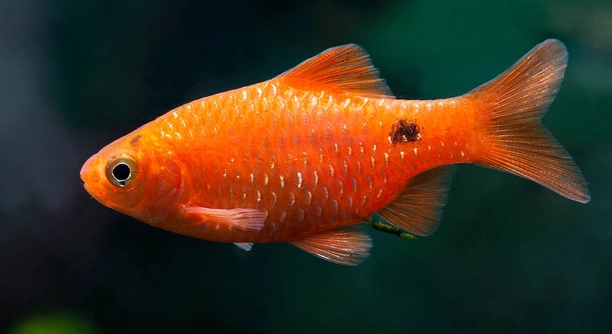
Are your rosy barbs looking dull or less vibrant than you hoped? Many aquarium owners want their fish to show off bright, lively colors. Keeping rosy barbs colorful can make your tank more enjoyable to watch.
The key to making rosy barbs more colorful lies in providing a balanced diet rich in natural pigments, maintaining clean water with stable parameters, and ensuring proper lighting to enhance their natural hues. Stress reduction and suitable tank mates also play important roles in their coloration.
Improving your rosy barbs’ colors takes some simple care steps that anyone can follow. These tips will help you create a healthy environment for your fish to shine.
Feed a Balanced and Color-Boosting Diet
Feeding rosy barbs a varied and nutrient-rich diet is essential for their bright colors. Foods high in carotenoids, like spirulina, krill, and certain flakes, naturally enhance red and orange hues. I always include live or frozen foods, such as bloodworms and daphnia, to keep their colors vivid and their health strong. Avoid overfeeding, which can pollute the water and cause stress. Supplementing with color-enhancing pellets or flakes designed for colorful fish can also make a visible difference. Consistency matters—regular feeding with quality food encourages better pigment development over time. If your barbs mostly eat generic flakes, you might notice their colors fading. Adding variety keeps them interested and ensures they get all necessary nutrients. Watching their colors grow brighter after improving their diet is rewarding and shows how important good nutrition really is for fish.
A healthy diet rich in natural pigments helps rosy barbs show off their best colors. Feeding varied foods supports both their looks and overall well-being.
Maintaining this kind of diet isn’t difficult but requires some attention. Prepare a feeding schedule and rotate foods to keep your barbs happy and colorful. Live foods offer vitamins and stimulation that flakes alone can’t provide. Keep an eye on how your fish respond to new foods—bright colors and active behavior are good signs. Also, avoid cheap or low-quality foods, which can harm both their color and health. With patience and care, your rosy barbs will gradually develop deeper, richer tones that brighten your aquarium. This approach benefits their immune system too, helping them resist disease while looking their best.
Maintain Clean Water and Stable Conditions
Clean water with stable conditions is crucial for keeping rosy barbs colorful. Poor water quality stresses fish, dulling their colors quickly.
Keeping the water clear and parameters steady ensures your rosy barbs stay healthy and colorful. Regular water changes remove waste and toxins that can reduce their brightness. Use a good filter to maintain water clarity and oxygen levels. Test water regularly for ammonia, nitrite, nitrate, and pH to avoid sudden changes. Rosy barbs prefer slightly acidic to neutral water, around pH 6.5 to 7.5, and stable temperature between 72°F and 78°F (22°C–26°C). Fluctuations can cause stress, leading to faded colors and illness. If you notice discoloration, check your water quality first. Adding live plants can help absorb nitrates and provide hiding spots, reducing stress. A well-maintained tank environment supports your fish’s natural pigmentation, allowing their reds and oranges to stand out more vividly. Consistent care creates a calm setting where rosy barbs thrive and display their full color potential.
Provide Proper Lighting
Lighting affects how rosy barbs show their colors. Too little light makes them look dull, while too much can cause stress.
Using full-spectrum lighting that mimics natural daylight helps bring out the reds and oranges in rosy barbs. I use LED lights with adjustable settings to find the right balance in my tank. Aim for about 8 to 10 hours of light daily to prevent overstressing the fish or encouraging algae growth. Proper lighting enhances pigment visibility and supports healthy plant growth, which benefits the fish indirectly. When the lighting is just right, the colors of rosy barbs appear richer and more vibrant, making the aquarium more attractive.
Adjusting the light schedule seasonally can help maintain natural rhythms for your fish. Avoid sudden changes in lighting to reduce stress. Using a timer ensures consistent light periods, which helps maintain stable colors over time.
Reduce Stress and Choose Compatible Tank Mates
Stress quickly dulls rosy barbs’ colors, so it’s important to keep their environment calm. Aggressive or overly active tank mates can cause stress and fading colors.
I keep my rosy barbs with peaceful, similarly sized fish to avoid bullying and chasing. Overcrowding also raises stress levels, so I maintain a proper stocking density in my aquarium. Providing plenty of hiding spots with plants or decorations allows shy fish to retreat and feel secure. A peaceful tank environment helps rosy barbs display their best colors naturally without the impact of fear or stress. Monitor fish behavior regularly to spot any signs of aggression or bullying early. Creating a balanced community tank supports healthy, colorful fish that are enjoyable to watch.
Adding tank mates with compatible temperaments and sizes reduces competition and tension. Stress management through environment and companionship is key for vibrant coloration.
Regular Water Changes
Frequent water changes keep the tank environment healthy for rosy barbs. Clean water prevents the buildup of harmful substances that can dull their colors.
I usually change 20-30% of the water weekly. This helps maintain stable water quality and reduces stress on the fish, supporting their bright coloration and overall health.
Use Plants to Enhance Colors
Live plants improve water quality and provide natural hiding places. They create a calming environment that lets rosy barbs display their best colors. Plants also offer subtle background contrast, making the fish’s colors stand out more.
Avoid Overcrowding
Too many fish in one tank increase stress and competition for resources. Overcrowding often leads to faded colors and poor health.
Monitor Water Temperature
Keeping water temperature steady within the ideal range helps maintain rosy barbs’ vibrant colors. Sudden changes can cause stress and color loss.
FAQ
How often should I feed my rosy barbs to enhance their color?
Feeding your rosy barbs two to three times a day in small amounts is best. Overfeeding can lead to water pollution and stress, which dull their colors. Focus on quality food rich in natural pigments like spirulina and krill. Adding live or frozen foods once or twice a week also helps maintain vibrant colors and good health.
Can changing the tank’s lighting improve the colors of rosy barbs?
Yes, lighting plays a key role in color enhancement. Using full-spectrum LED lights that simulate natural daylight helps bring out their reds and oranges. Aim for 8 to 10 hours of light daily with a timer to keep it consistent. Avoid overly bright or too dim lighting, as both can cause stress or reduce pigment visibility.
What water conditions are best for rosy barbs’ coloration?
Rosy barbs thrive in water with a pH between 6.5 and 7.5 and temperature ranging from 72°F to 78°F (22°C to 26°C). Stable water parameters reduce stress and help maintain their bright colors. Regular water changes and good filtration are important to keep ammonia and nitrites at zero and nitrates low.
How do tank mates affect rosy barb colors?
Aggressive or overly active fish can stress rosy barbs, causing colors to fade. Choosing peaceful, similarly sized tank mates reduces bullying and competition. Providing enough space and hiding spots also helps your barbs feel safe and show their best colors. Overcrowding should be avoided as it increases stress and dulls coloration.
Will plants in the aquarium help improve coloration?
Yes, live plants improve water quality by absorbing nitrates and creating a natural environment. Plants offer shelter that reduces stress and provides contrast, which makes rosy barbs’ colors pop. Popular plants like Java fern, Anubias, and Amazon swords work well in tanks with rosy barbs.
Why are my rosy barbs losing their color suddenly?
Sudden color loss usually signals stress from poor water quality, wrong temperature, or aggressive tank mates. Check your water parameters immediately and perform partial water changes if needed. Make sure lighting and feeding routines are consistent. Also, observe the behavior of other fish for signs of bullying.
Is it normal for rosy barb colors to fade during breeding?
Yes, male rosy barbs often lose some color intensity when spawning. This is natural and temporary. After breeding, their colors usually return to normal if they are healthy and stress-free. Providing a calm environment and good nutrition supports recovery.
Can supplements boost rosy barb coloration?
Certain supplements with carotenoids can enhance color but should be used carefully and not as a substitute for a balanced diet. Overuse may harm fish or water quality. Focus primarily on feeding varied, high-quality foods rich in natural pigments, and use supplements sparingly if at all.
How important is stress reduction for keeping rosy barbs colorful?
Stress directly affects color vibrancy. Stressed fish lose their bright pigments quickly. Keeping the tank environment stable, avoiding overcrowding, selecting peaceful tank mates, and maintaining clean water all help reduce stress. A calm fish is a colorful fish.
What is the role of water changes in color maintenance?
Regular water changes remove waste and toxins that can dull fish colors. Changing 20-30% of the water weekly keeps the tank healthy and supports pigmentation. Neglecting water changes leads to poor water quality and stress, both of which cause color fading.
Can rosy barbs regain color if they lose it?
Yes, with proper care rosy barbs can regain lost color. Improving diet, stabilizing water conditions, reducing stress, and ensuring proper lighting help fish restore their natural hues. It takes time and patience, but bright colors can return.
How does temperature fluctuation impact rosy barb colors?
Sudden or frequent temperature changes stress fish, causing their colors to dull. Keeping a steady temperature within their preferred range supports healthy pigmentation. Use a reliable heater and thermometer to maintain consistent conditions.
Are there specific foods to avoid to keep colors vibrant?
Avoid low-quality, filler-heavy foods that lack pigments. These can lead to faded colors and poor health. Also, avoid overfeeding, as leftover food pollutes water and stresses fish. Stick to balanced diets with pigment-rich ingredients and occasional live or frozen treats.
Is lighting alone enough to improve rosy barb colors?
Lighting helps, but it must be combined with good diet, clean water, and low stress. Proper lighting makes colors more visible, but without balanced care, the fish won’t develop or maintain vibrant hues.
How can I tell if my rosy barbs are stressed?
Signs include faded colors, erratic swimming, hiding, loss of appetite, and clamped fins. Stress often results from poor water quality, aggressive tank mates, or sudden changes. Address these issues promptly to help your fish recover their colors.
Keeping rosy barbs colorful requires steady and simple care. Their bright reds and oranges depend on many factors, like good food, clean water, proper lighting, and a calm environment. When these needs are met, rosy barbs can show their best colors naturally. It is important to remember that bright colors do not come overnight. With patience and regular attention, you will notice your fish becoming more vibrant over time. Consistency in feeding, water changes, and tank maintenance plays a big role in helping rosy barbs stay healthy and colorful.
Feeding rosy barbs a balanced diet rich in natural pigments is one of the easiest ways to improve their color. Adding foods like spirulina, krill, or color-enhancing flakes gives them the nutrients they need to develop stronger reds and oranges. Live or frozen foods also help add variety and boost their health. However, feeding should always be done carefully to avoid overfeeding, which can dirty the tank and stress the fish. Stress is one of the main reasons fish lose their colors. Keeping the tank environment calm with peaceful tank mates and plenty of hiding places will help reduce stress and encourage your barbs to display their colors fully.
Water quality and lighting are equally important. Clean water free of harmful chemicals and toxins supports the fish’s immune system and natural coloration. Regular water changes and good filtration keep the tank stable and healthy. Lighting that mimics natural daylight helps bring out the pigments in the fish’s scales, making their colors look brighter. Avoid sudden changes in water temperature or lighting, as this can cause stress and fading colors. Overall, keeping rosy barbs colorful is about balance and care. When you provide the right conditions and keep an eye on their health, your rosy barbs will reward you with beautiful, lively colors that brighten any aquarium.

Hello,
If you enjoy the content that we create, please consider saying a "Thank You!" by leaving a tip.
Every little bit helps us continue crafting quality advice that supports the health, happiness, and well-being of pets around the world, for pets of all shapes, sizes, and species.
We really appreciate the kindness and support that you show us!