
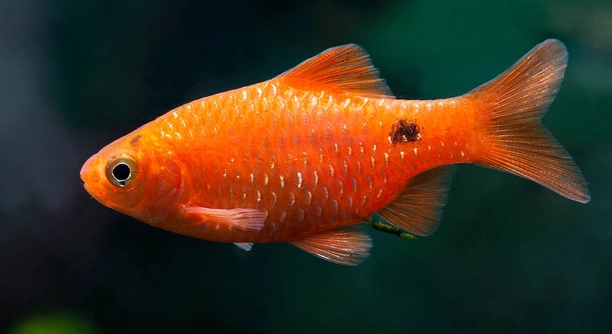
Are your new rosy barbs looking healthy but you’re unsure if adding them straight to your main tank is the best idea? Many fishkeepers wonder if skipping quarantine really makes a difference in the long run.
Quarantining new rosy barbs is essential because it helps prevent the introduction of diseases, parasites, or bacteria into your established aquarium. This extra step protects the health of your current fish and allows early treatment if needed.
Adding fish without quarantine may seem easier, but it comes with hidden risks. Understanding how quarantine works can help you keep your tank stable and your fish thriving.
Why Quarantining Rosy Barbs Matters
Quarantining new rosy barbs helps protect the balance of your established tank. Even healthy-looking fish can carry parasites or bacteria that don’t show symptoms right away. A separate quarantine tank gives you time to monitor their health without risking your other fish. It also allows new arrivals to recover from stress caused by shipping or a change in environment. If any signs of illness appear—like white spots, frayed fins, or odd behavior—you can treat them without affecting your main tank. This step may feel like extra work, but it’s much easier than managing a disease outbreak later.
A quarantine period of two to four weeks is usually enough to spot any issues and treat them properly if needed.
Skipping quarantine might seem harmless at first, especially if your new rosy barbs are active and eating well. But stress and new water conditions can weaken their immune systems. Illnesses often appear only after this stress builds up.
Setting Up a Proper Quarantine Tank
A simple quarantine tank setup can be small and easy to manage.
Use a basic 10- to 20-gallon tank with a sponge filter and a heater set to match your main tank’s temperature. Avoid adding gravel or decorations to keep cleaning simple and spotting waste or changes in behavior easier. Include a few hiding spots like PVC pipes or fake plants to help reduce stress. Test the water often and perform regular water changes to keep conditions stable. Keep a close eye on your new rosy barbs, feeding lightly and watching for any signs of trouble. Quarantine tanks don’t need to be fancy. What matters most is keeping things clean, calm, and separate from your main aquarium. After the quarantine period, if the fish are active, healthy, and eating well, they can be safely moved to your main tank. Taking this step helps you avoid long-term issues and supports a healthy tank environment.
Common Risks of Skipping Quarantine
New fish can carry illnesses like ich, fin rot, or internal parasites, even if they look fine. These problems may not show up right away but can quickly spread to your healthy fish once introduced into the main tank.
Ich is one of the most common issues found in unquarantined fish. It often appears a few days after adding them to the tank, usually triggered by stress from transport or changes in water conditions. It spreads quickly and can affect all your fish. Other risks include bacterial infections, which can cause cloudy eyes, red sores, or clamped fins. Some fish might also carry internal parasites that go unnoticed until other fish start losing weight or acting strangely. Once these issues enter your tank, treating all fish becomes more difficult and time-consuming.
Treating a full tank is more stressful than isolating one sick fish. Medications can affect beneficial bacteria and disrupt the nitrogen cycle. This may lead to ammonia spikes or cloudy water, which adds more stress for your fish. Even hardy species like rosy barbs can struggle with these changes. By using a quarantine tank, you can treat only the affected fish with targeted medication while keeping your main tank clean and safe. Prevention saves time and avoids major problems later.
How Long Should You Quarantine Rosy Barbs?
Most fishkeepers recommend a quarantine period of at least two weeks. In some cases, especially if symptoms appear, it’s better to extend it to four weeks.
During this time, observe the fish closely. Look for signs like flashing (rubbing against objects), torn fins, white spots, or unusual swimming. Even if your new rosy barbs seem fine, it’s important to give them time to settle and recover from stress. If any symptoms show up, treat the issue fully before ending quarantine. Use this period to adjust them to your feeding routine and monitor how they respond to your water parameters. Consistency matters. Feed lightly, test water regularly, and keep lighting and movement around the tank calm. After the full period, if the fish are active, eating well, and show no signs of illness, it’s safe to move them into your main aquarium. This step ensures the health of your entire tank.
Signs to Watch During Quarantine
Pay attention to changes in behavior like hiding more than usual, swimming near the surface, or rubbing against objects. These can be early signs of illness or stress and should not be ignored.
Also look for physical symptoms like torn fins, pale coloring, bloating, or white spots. These are often the first visible signs of infection and may require treatment before introducing the fish to your main tank.
What to Do if You Spot a Problem
If you notice any symptoms during quarantine, start treatment right away using the appropriate medication. Always research the exact signs and use targeted treatments rather than general ones. Remove any uneaten food, increase water changes, and keep water parameters steady to support recovery. Monitor the fish closely during and after treatment to ensure the symptoms clear completely. Quarantine gives you a controlled space to treat issues without putting your main tank at risk. If the symptoms persist, it’s best to extend the quarantine period. Only move the fish once you are confident they are healthy, active, and eating well again.
When It’s Safe to End Quarantine
If your rosy barbs show no signs of illness, eat normally, and behave well for at least two weeks—four if treated—they’re likely ready to join your main tank.
FAQ
How long should I quarantine new rosy barbs?
Quarantine your new rosy barbs for at least two weeks. This period allows enough time to spot any hidden illnesses or parasites. If any health problems appear during this time, extend the quarantine until the fish fully recover. Some aquarists prefer four weeks to be extra safe.
What if my new rosy barbs look healthy but don’t eat much in quarantine?
It’s normal for fish to eat less during the first few days of quarantine due to stress. Offer small, frequent feedings of high-quality food to encourage eating. If poor appetite lasts longer than a week, it could be a sign of illness or poor water quality. Check water parameters and watch for other symptoms.
Can I use the same water from my main tank in the quarantine tank?
Using water from your main tank can help reduce stress by keeping water parameters consistent. However, make sure the quarantine tank is clean and filtered well. Change about 25-50% of the water regularly during quarantine to maintain good quality. Avoid overcrowding to reduce waste buildup.
What treatments are safe to use in a quarantine tank?
Medications like anti-parasitic treatments, antifungal solutions, and antibiotics are commonly used in quarantine tanks. Follow dosage instructions carefully and avoid using harsh chemicals unless necessary. Some treatments can harm beneficial bacteria, so avoid treating your main tank unless absolutely required.
Can I skip quarantine if I buy rosy barbs from a trusted store?
Even reputable stores can’t guarantee fish are completely free of disease. Stress during shipping or handling can reveal hidden problems later. Skipping quarantine increases the risk of introducing illnesses to your established tank, which can be costly and stressful to manage. Quarantine is the safest option.
How do I know if my quarantine tank is set up correctly?
A proper quarantine tank should have a reliable filter, stable temperature, and simple decoration to reduce stress. Keep the water clean with regular changes and avoid overcrowding. Observe your fish daily for signs of illness or stress. A quiet location away from your main tank helps keep them calm.
What should I feed my rosy barbs during quarantine?
Feed small amounts of high-quality flake or pellet food made for tropical fish. Supplement with occasional frozen or live foods like brine shrimp or bloodworms to boost nutrition. Avoid overfeeding, as uneaten food can pollute the water quickly in a small quarantine tank.
Can I quarantine multiple fish together?
Yes, you can quarantine several rosy barbs in the same tank if it’s large enough and not overcrowded. Keep an eye on their behavior to catch any aggression or signs of illness. If one fish shows symptoms, you might need to isolate it separately to prevent spread.
How often should I clean the quarantine tank?
Clean the quarantine tank regularly by doing partial water changes—about 25-50% every few days. Remove uneaten food and waste daily to keep water quality high. Avoid deep cleaning or removing all filter media at once, as this can disrupt beneficial bacteria important for fish health.
What should I do after quarantine is complete?
Before moving rosy barbs to your main tank, make sure water conditions in both tanks are similar to avoid shock. Slowly acclimate the fish by floating the quarantine bag in the main tank water, then gradually mix small amounts of tank water into the quarantine tank over 15–30 minutes. This helps your fish adjust safely to their new environment.
Quarantining new rosy barbs is a simple but important step that helps protect your entire aquarium. It may seem like extra work at first, but taking the time to isolate new fish before adding them to your main tank can save you from many problems later. Fish can carry diseases or parasites that don’t show signs right away, and introducing them without quarantine puts your healthy fish at risk. Using a quarantine tank lets you watch your new rosy barbs closely and treat any issues before they affect the rest of your aquatic community. This small effort goes a long way toward keeping your tank stable and your fish healthy.
A quarantine period of two to four weeks is generally enough to spot any health problems and allow your fish to settle into their new environment. During this time, it’s important to keep the water clean and stable and to feed your rosy barbs lightly but regularly. Watch for any signs of illness, like changes in behavior or appearance, and act quickly if you see any problems. Treating fish in quarantine is easier and safer than trying to manage an outbreak in your main tank. Plus, the quarantine process helps reduce stress for your new fish, giving them a better chance to thrive once they join the rest of your tank.
In the end, quarantining your new rosy barbs is a responsible choice that benefits both your fish and your aquarium as a whole. It helps prevent disease spread, reduces stress on your fish, and allows you to care for any health issues early. While it might feel like a delay before adding new fish to your main tank, this pause protects the long-term health and balance of your aquatic environment. Taking the time for quarantine shows you care about the well-being of your fish and want to create the best possible home for them.

Hello,
If you enjoy the content that we create, please consider saying a "Thank You!" by leaving a tip.
Every little bit helps us continue crafting quality advice that supports the health, happiness, and well-being of pets around the world, for pets of all shapes, sizes, and species.
We really appreciate the kindness and support that you show us!