
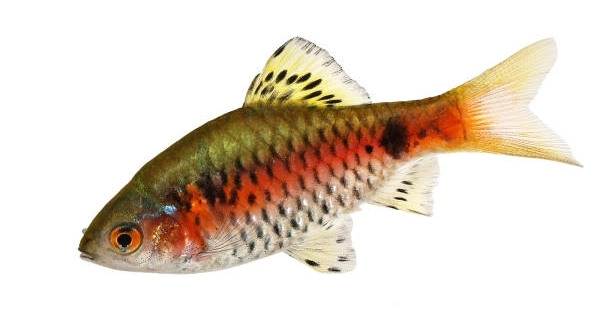
Rosy barbs are colorful schooling fish that bring vibrancy to home aquariums. However, unexpected behavior can be alarming. Observing these fish leaping out of tanks can cause concern. Understanding their habits helps maintain tank safety.
The primary cause of rosy barbs jumping from aquariums is stress induced by inadequate water conditions and overcrowding. Ensuring appropriate water parameters, sufficient tank space, and secure tank coverings reduces jumping incidents and promotes stable behavior among these schooling fish.
Practical prevention methods and simple tank adjustments offer peace of mind while confidently keeping rosy barbs thriving and safely contained.
Why Rosy Barbs Jump Out of Tanks
Rosy barbs may jump out of tanks for several reasons, but it mostly comes down to their natural energy levels and environment. These fish are active swimmers that enjoy exploring their space. When they feel cramped, startled, or experience poor water conditions, they may leap out in an attempt to escape discomfort. Sudden lights, loud noises, or aggressive tank mates can also cause this behavior. In some cases, a lack of stimulation or open tank design increases the risk. Recognizing these signs early helps prevent accidents. Jumping is not just random; it’s often a reaction to something specific.
A secure tank setup and calm environment go a long way in preventing this behavior. Simple changes can make a big difference.
Even though it might seem surprising, jumping is part of how rosy barbs respond to stress or an unsuitable tank. Noticing the signs early is important to keeping them safe.
7 Ways to Prevent Rosy Barbs from Jumping
A tank lid is essential for active species like rosy barbs. A tight-fitting cover prevents escapes while still allowing ventilation and lighting.
Make sure your tank isn’t overcrowded, as too many fish can lead to stress and territorial behavior. Choose peaceful tank mates and maintain good water conditions with regular checks and water changes. Keep the water temperature stable and avoid sudden changes in lighting. Add plants, decorations, and swimming space to help keep your rosy barbs active but comfortable. Avoid placing the tank in noisy or high-traffic areas, as constant movement can trigger jumping. Feed them a balanced diet and watch for signs of stress or illness. When cleaning or adjusting equipment, be mindful of sudden movements that might startle them. With the right care, rosy barbs will stay active, happy, and safely inside their tank.
Common Mistakes That Trigger Jumping
Leaving the tank uncovered is one of the most common mistakes. It gives active fish like rosy barbs an easy way out, especially during moments of stress or excitement.
Sudden changes in lighting can startle rosy barbs and cause them to jump without warning. Flipping the tank light on or off abruptly disrupts their sense of safety. It’s better to keep the room light on for a few minutes before adjusting the aquarium light. Poor water quality also triggers stress. Ammonia or nitrate buildup can lead to discomfort, causing escape behavior. Overfeeding and overcrowding also reduce water quality and add to stress levels. Avoiding these mistakes keeps your rosy barbs safe and relaxed in their environment.
Neglecting water temperature can cause discomfort, leading fish to act erratically. Rosy barbs thrive in stable water temperatures between 72°F and 82°F. Sudden drops or rises make them restless. Using a reliable heater and thermometer helps prevent this.
How to Spot a Stressed Rosy Barb
Look for signs like erratic swimming, hiding more than usual, or skipping meals. These behaviors often signal that something is wrong in the tank.
Fin clamping, color fading, or darting around the tank may also indicate stress. Rosy barbs are typically social and active, so sudden changes in behavior are worth paying attention to. Bullying by other fish can also cause stress, especially if tank mates are aggressive. Watch for torn fins or signs of injury. Rapid gill movement and hovering near the water surface may mean poor water quality. Test your water regularly to catch any imbalances early. A clean, well-planted tank with peaceful fish and consistent care creates a safe environment for your rosy barbs to thrive in without stress.
Ideal Tank Setup for Rosy Barbs
Rosy barbs need space to swim, so a minimum tank size of 30 gallons is recommended. A longer tank works better than a tall one, giving them more horizontal swimming room.
Use a secure lid, gentle filtration, and stable water temperature between 72°F and 82°F. Keep lighting soft and consistent.
Tank Mates That Help Reduce Jumping
Peaceful tank mates like cherry barbs, zebra danios, and corydoras help create a calm environment for rosy barbs. Avoid aggressive or fin-nipping species that may cause stress. Having compatible companions encourages natural schooling behavior, which makes them feel secure and less likely to jump.
Final Thoughts on Rosy Barb Care
A stable environment, good tank conditions, and calm surroundings help keep rosy barbs healthy and safe from jumping. Small changes really do make a difference.
FAQ
Why do rosy barbs jump out of tanks?
Rosy barbs jump mainly because of stress, poor water quality, or sudden changes in their environment. They are active swimmers, so if they feel cramped, scared, or uncomfortable, jumping becomes a way to escape. A lack of a secure lid or sudden loud noises also increase the chances of jumping.
How can I prevent rosy barbs from jumping out?
Use a tight-fitting tank lid to physically prevent escapes. Maintain good water quality through regular testing and changes. Avoid overcrowding and keep tank conditions stable. Adding plants and decorations helps reduce stress by providing hiding spots and making the environment more natural. Also, avoid sudden lighting or temperature changes.
Is it normal for rosy barbs to jump occasionally?
While some jumping behavior can happen occasionally, frequent jumping signals a problem. It usually means the fish are stressed, scared, or unhappy. Consistently monitoring water parameters and tank setup can reduce this behavior significantly.
What tank size is best for rosy barbs?
A minimum of 30 gallons is ideal for rosy barbs. They are schooling fish that need enough space to swim freely. Longer tanks are preferable over tall ones because they provide more horizontal swimming room.
What are the signs that rosy barbs are stressed?
Signs include erratic swimming, hiding, loss of color, fin clamping, or loss of appetite. Stress can also cause rapid gill movement and increased hiding. These signs usually mean water quality or tank conditions need attention.
Can other fish cause rosy barbs to jump?
Yes, aggressive or fin-nipping fish can stress rosy barbs, making them more likely to jump. Choosing peaceful, compatible tank mates helps create a calm environment and reduces this risk.
How often should I change the water to keep rosy barbs healthy?
Weekly water changes of about 20-25% are recommended. This keeps ammonia and nitrate levels low, ensuring good water quality. Regular changes prevent stress-related jumping and promote fish health.
Do rosy barbs need a lid even if my tank is indoors?
Yes, a secure lid is necessary indoors too. Rosy barbs are active and can jump at any time, especially if startled. A lid keeps them safe regardless of the tank location.
What water temperature do rosy barbs prefer?
Rosy barbs do best in water between 72°F and 82°F. Keeping temperature stable prevents stress and sudden jumping caused by discomfort.
Will feeding frequency affect jumping?
Overfeeding can reduce water quality, leading to stress and jumping. Feeding small amounts once or twice a day is best to maintain balance.
Can lighting affect rosy barb behavior?
Yes, sudden or harsh lighting changes can startle rosy barbs. Using a timer for gradual light changes helps maintain a calm environment.
How do plants help reduce jumping?
Plants provide hiding places and make the environment feel safer. This reduces stress and encourages natural behavior, which lowers the chances of jumping.
What should I do if my rosy barb jumps out?
Immediately return the fish to the tank, checking for any injuries. Inspect the tank for causes like water quality or stress and fix the issue quickly. Secure the tank lid to prevent future escapes.
Are rosy barbs aggressive jumpers?
Rosy barbs are generally peaceful but very active. Their jumping isn’t aggressive but a response to discomfort or fright.
Can jumping damage rosy barbs?
Yes, jumping can cause injury or even death if the fish land on hard surfaces. Preventing jumping is important for their safety.
Is it okay to keep rosy barbs alone?
No, rosy barbs are schooling fish and need company. Keeping them in groups of at least five helps reduce stress and jumping behavior.
Final Thoughts
Rosy barbs are lively fish that bring color and movement to an aquarium. Their natural behavior includes active swimming and exploring their surroundings, which can sometimes lead to jumping out of the tank. This behavior is often a sign that something in their environment is not quite right. Stress, poor water quality, or sudden changes can make them try to escape. It’s important to understand these reasons so you can create a safe and comfortable home for your fish. By providing a proper tank setup, stable water conditions, and a peaceful environment, you reduce the chances of them jumping. Preventing jumping is not just about keeping fish inside the tank; it is about improving their overall well-being.
A secure tank lid is one of the simplest and most effective ways to stop rosy barbs from escaping. Even if the fish are healthy and happy, they can still leap out if the tank is open or the lid is loose. Along with this, maintaining good water quality plays a big role. Regular water tests and changes help keep ammonia and nitrate levels low, which reduces stress. Overcrowding is another factor to avoid since too many fish in a small space cause discomfort and increase jumping risks. Adding plants and decorations provides hiding spots and a more natural environment, which can calm the fish. Choosing peaceful tank mates also prevents bullying or aggression that might scare your rosy barbs.
In the end, caring for rosy barbs requires attention to detail and consistent effort. Their jumping behavior is a clear sign that something needs to be adjusted in their tank. With proper care, these fish can live safely and happily in your aquarium. Remember, small changes in lighting, feeding, and tank setup can have a big impact on their behavior. By observing your fish closely and reacting to their needs, you create a balanced space where they thrive. This approach not only prevents jumping but also ensures your rosy barbs stay healthy and vibrant for a long time.

Hello,
If you enjoy the content that we create, please consider saying a "Thank You!" by leaving a tip.
Every little bit helps us continue crafting quality advice that supports the health, happiness, and well-being of pets around the world, for pets of all shapes, sizes, and species.
We really appreciate the kindness and support that you show us!