
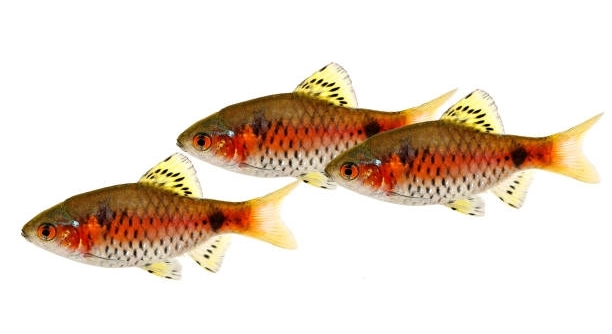
Rosy barbs are popular freshwater fish known for their bright colors and active nature. Many fishkeepers enjoy adding them to home aquariums because they bring life and movement. Before buying rosy barbs, it helps to know some basic care facts.
Rosy barbs require a well-maintained aquarium with sufficient space, stable water conditions, and compatible tank mates. Their diet should be balanced, and owners must monitor water quality regularly to ensure their health and longevity in captivity.
Understanding these care requirements will help you create the best environment for your rosy barbs. This knowledge supports their well-being and enhances your experience as a fishkeeper.
Tank Size and Environment
Rosy barbs are active swimmers, so they need plenty of space to move around comfortably. A tank of at least 30 gallons is recommended to provide enough room for a small group. Keeping them in a cramped environment can lead to stress and health problems. The tank should have a secure lid because these fish are known to jump occasionally. Adding plants and hiding spots helps replicate their natural habitat, giving them places to rest and feel safe. Proper filtration is essential to maintain clean water and stable conditions. Regular water changes also contribute to a healthy environment. Paying attention to water temperature, ideally between 64°F and 72°F, supports their wellbeing. Monitoring parameters such as pH and hardness is important, as rosy barbs prefer slightly alkaline water with moderate hardness. Setting up the tank correctly before introducing the fish will reduce risks and improve their adaptation.
A tank of 30 gallons or more with stable, clean water is crucial to support rosy barbs’ activity and health.
Providing the right environment for rosy barbs takes planning and care. Ensuring enough swimming space and clean, well-filtered water reduces stress and promotes natural behavior. Including plants and hiding spots creates comfort and safety, mimicking their native surroundings. Proper tank size prevents overcrowding, which can cause aggression or illness. Keeping the temperature steady and the water balanced in pH and hardness supports their immune system. Taking these steps before bringing rosy barbs home makes it easier for them to thrive and helps you enjoy their vibrant colors and lively nature for a long time.
Social Behavior and Compatibility
Rosy barbs are schooling fish and thrive best when kept in groups of five or more.
They can be semi-aggressive, especially towards smaller or slower fish, so choosing compatible tank mates is important. Ideal companions are other active, similarly sized fish that can handle their energy without being bullied. Avoid keeping rosy barbs with very small species, as they might nip fins or cause stress. Maintaining a balanced group reduces aggression within the school and encourages natural social behavior. Observing how the fish interact in the tank can help detect any signs of bullying early. If necessary, adjusting the mix of fish or providing more space can improve harmony. Understanding their social needs helps prevent conflicts and keeps the aquarium environment peaceful.
When selecting companions for rosy barbs, consider species with similar size and temperament to avoid stress and aggression.
Social behavior plays a key role in rosy barbs’ wellbeing. They rely on being in groups for security and activity. Keeping them alone or in too small a group can lead to nervousness or hiding. Their semi-aggressive nature means the choice of tank mates affects overall harmony. Fish that match their speed and size, such as danios or other barbs, tend to coexist well. Providing enough room and plenty of plants helps reduce territorial disputes. By managing group size and companions carefully, you ensure a balanced, lively community tank where rosy barbs can display their best colors and natural behaviors without unnecessary stress.
Feeding and Nutrition
Rosy barbs need a varied diet to stay healthy and colorful. They eat flakes, pellets, and live or frozen foods like brine shrimp or bloodworms.
Feeding should be done once or twice daily in small amounts. Overfeeding can cause water quality problems and harm the fish. Including some vegetable matter like blanched spinach or spirulina flakes supports their digestion. A balanced diet helps maintain their vibrant color and energy levels. Occasionally offering live foods encourages natural hunting behavior and keeps them active. Monitoring their eating habits ensures all fish get enough food without leftovers accumulating in the tank.
Consistent feeding with a variety of high-quality foods promotes good health and bright colors. Avoid overfeeding to prevent water issues. Live or frozen foods add nutrition and interest to their diet, improving overall well-being.
Health and Common Issues
Rosy barbs are generally hardy but can suffer from common freshwater fish diseases like ich and fin rot. Maintaining clean water and stable conditions reduces risks.
Regular tank maintenance and observation help detect early signs of illness. Symptoms like white spots, torn fins, or lethargy require prompt action to prevent worsening. Quarantining new fish before adding them to the main tank lowers disease introduction. Stress from overcrowding or incompatible tank mates can weaken their immune system. Providing a well-balanced diet also supports resistance to infections. When treatment is needed, following specific medication instructions carefully ensures the best recovery. Taking these steps helps keep rosy barbs healthy and active.
Good water quality and balanced care are key to avoiding illness. Early detection and treatment of common diseases prevent long-term problems. Stress reduction and proper diet support their immune defenses.
Breeding Rosy Barbs
Breeding rosy barbs requires a separate breeding tank with clean, slightly warmer water. Males develop brighter colors during spawning, and females become rounder.
Spawning usually happens in the morning, with females scattering eggs among plants. After spawning, adults should be removed to prevent egg predation.
Water Quality Maintenance
Regular water changes are essential to keep water parameters stable and reduce toxins. Testing water weekly helps catch issues early. Consistent filtration supports a healthy environment, which is critical for rosy barbs’ longevity and vitality.
Lifespan and Growth
Rosy barbs typically live for 5 to 7 years when cared for properly. They grow up to 4 inches in length, reaching full size within their first year.
Tank Decorations and Setup
Smooth plants and rounded decorations work best to avoid injuring rosy barbs. Avoid sharp edges, as these fish are active and can hurt themselves easily.
FAQ
How many rosy barbs should I keep together?
Rosy barbs are schooling fish and do best in groups of five or more. Keeping them in a group reduces stress and helps them display natural behaviors. Smaller groups can lead to nervousness or aggression. A larger group also balances their energy, making the tank more peaceful.
What temperature is ideal for rosy barbs?
The preferred temperature range for rosy barbs is between 64°F and 72°F. They can tolerate slight fluctuations but sudden changes may stress them. Maintaining a stable temperature within this range supports their immune system and overall health.
Can rosy barbs live with other fish?
Yes, but careful selection is necessary. Rosy barbs are semi-aggressive and may nip fins of smaller or slow-moving fish. Suitable tank mates include other active species of similar size, such as danios or other barbs. Avoid very small or delicate fish.
What do rosy barbs eat?
They need a varied diet including flakes, pellets, and live or frozen foods like brine shrimp and bloodworms. Including vegetable matter such as spirulina flakes or blanched spinach improves digestion and nutrition. Feeding once or twice daily in small amounts is ideal.
How often should I change the water?
Changing 20-25% of the water weekly helps maintain good water quality and reduces toxins. Regular water changes support stable conditions and reduce the risk of disease. Testing water parameters weekly can guide how often changes are needed.
How can I tell if my rosy barbs are sick?
Common signs include white spots, torn fins, lethargy, and loss of appetite. Early detection is important. If symptoms appear, test water quality first and consider quarantine or treatment. Poor water conditions or stress often contribute to illness.
Do rosy barbs jump out of the tank?
Yes, rosy barbs are known jumpers, especially if startled or stressed. A secure lid on the tank is important to prevent escapes and injuries. Providing enough space and hiding spots reduces their urge to jump.
How fast do rosy barbs grow?
Rosy barbs typically reach their full size of about 4 inches within their first year. Proper nutrition and a well-maintained environment help ensure steady, healthy growth.
Can rosy barbs breed in a community tank?
While possible, breeding in a community tank is difficult because adults may eat the eggs. For successful breeding, use a separate tank with plants or spawning mops to protect eggs and fry. Removing adults after spawning increases survival chances.
What type of substrate is best for rosy barbs?
A fine gravel or sand substrate works well, as it is gentle on their barbels and allows plants to root easily. Avoid rough or sharp substrates that could injure the fish during active swimming.
Final Thoughts
Rosy barbs are a popular choice for many aquarium keepers because of their bright colors and active nature. They are relatively hardy fish but require attention to their environment and care to thrive. Understanding their needs before bringing them home helps avoid common problems. This includes having a large enough tank, maintaining clean water, and providing a balanced diet. Taking these steps supports their health and ensures they live a full, vibrant life in your aquarium.
It is important to consider the social nature of rosy barbs. They do best when kept in groups, which allows them to show natural schooling behavior. A group of five or more reduces stress and aggression, making the tank more peaceful for all its inhabitants. When selecting tank mates, choose fish that are similar in size and temperament to avoid conflicts. A well-planned tank setup with plants and hiding spots also helps create a comfortable space for rosy barbs and their companions.
Health maintenance is another key factor to keep in mind. Regular water changes, stable temperature, and monitoring water parameters reduce the risk of illness. Watching your fish closely for signs of disease helps catch problems early, making treatment easier and more effective. Feeding a varied diet with both dry and live foods keeps rosy barbs healthy and colorful. Paying attention to these details will help you enjoy your rosy barbs for many years, making your aquarium a lively and rewarding environment.

Hello,
If you enjoy the content that we create, please consider saying a "Thank You!" by leaving a tip.
Every little bit helps us continue crafting quality advice that supports the health, happiness, and well-being of pets around the world, for pets of all shapes, sizes, and species.
We really appreciate the kindness and support that you show us!