
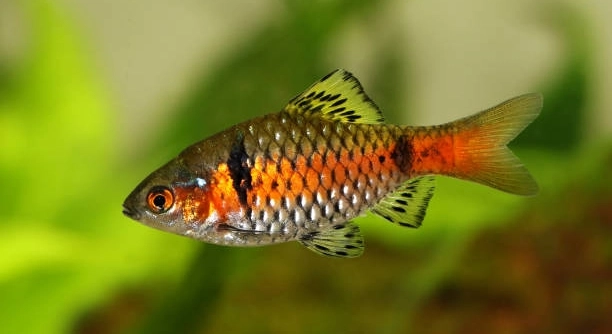
Keeping rosy barbs in a tank adds vibrant life to any aquarium. However, overcrowding can cause stress and health issues for these active fish. Recognizing early signs helps maintain a healthy environment for your rosy barbs to thrive.
Overcrowding in a rosy barb tank is identified by increased aggression, poor water quality, stunted growth, decreased oxygen levels, excessive waste buildup, frequent hiding, and abnormal swimming behaviors. These factors collectively indicate the tank’s capacity has been exceeded.
Understanding these signs allows you to take action before problems worsen, ensuring your rosy barbs remain healthy and active in their space.
Increased Aggression and Territorial Behavior
When rosy barbs are overcrowded, they tend to become more aggressive toward each other. This behavior is noticeable through frequent chasing, nipping at fins, and territorial disputes. These fish usually swim in groups and rely on space to establish their own areas. Without enough room, their natural social balance is disrupted, leading to stress and injuries. Aggression can also cause some fish to become shy or hide constantly, which affects their overall well-being. It is important to observe your fish’s behavior regularly to catch these signs early. Proper tank size and population control help maintain peace among your rosy barbs, promoting a healthier, more stable environment.
Aggression in an overcrowded tank leads to increased stress and physical harm, negatively impacting fish health and lifespan.
Aggressive behavior is often the first clear sign of overcrowding. As the space shrinks, dominant fish claim territories aggressively, pushing others into corners or hiding spots. This constant stress weakens their immune systems, making them more prone to diseases. Providing enough space reduces tension, allowing natural schooling behavior to emerge. Proper tank management involves monitoring fish interactions and ensuring there is enough room for each fish to swim freely. When overcrowding is addressed, the aggression usually subsides, creating a calmer, more balanced tank atmosphere.
Poor Water Quality and Oxygen Levels
Poor water quality is a common issue in overcrowded tanks. Waste builds up quickly when too many fish share limited space, leading to high ammonia and nitrate levels. This can cause toxic conditions that harm your rosy barbs. Oxygen levels also drop as more fish consume available oxygen, making it harder for them to breathe comfortably. Regular water testing is essential to catch these changes before they become dangerous. Overcrowding makes it difficult to maintain clean, balanced water, even with frequent tank maintenance.
Maintaining water quality and oxygen balance is critical to avoid health problems and keep your fish active and thriving.
Overcrowded tanks experience faster accumulation of waste products, increasing toxins in the water. This environment stresses fish and can lead to illness or death if untreated. Filtration systems may struggle to keep up, and the reduced water volume per fish limits oxygen availability. Aeration and partial water changes help but cannot fully compensate for the lack of space. To ensure proper oxygenation, tanks must have sufficient surface area and water circulation. Addressing overcrowding reduces the burden on filtration, improves water conditions, and promotes the well-being of all tank inhabitants.
Stunted Growth and Health Problems
Overcrowding limits the space and resources available for each rosy barb, which can lead to stunted growth. Fish may fail to reach their full size due to stress and competition for food.
When fish are crowded, they often experience constant stress, weakening their immune systems. This makes them more vulnerable to diseases and infections. Limited access to food means some fish may not get enough nutrition, further slowing growth and causing malnourishment. Additionally, poor water quality from overcrowding can cause skin issues and other health complications. Monitoring tank population helps avoid these problems and supports healthy development.
In smaller, crowded tanks, the competition for oxygen and food creates an environment where weaker fish struggle to survive. Stunted growth is a clear indicator that the tank conditions are not ideal. Adjusting the number of fish and improving water quality can help reverse some health effects if addressed early enough.
Excessive Waste Buildup and Filtration Stress
Too many rosy barbs produce a large amount of waste quickly. This excess waste overloads the tank’s filtration system, causing poor water quality and more frequent maintenance needs.
The filtration system is designed to handle a specific bioload. When overcrowded, waste levels rise beyond what the filter can manage effectively, leading to harmful ammonia and nitrate spikes. These toxins stress fish and can damage their gills and internal organs over time. Frequent water changes and filter cleaning become necessary but are only temporary fixes if overcrowding continues. Proper stocking levels prevent excessive waste buildup and reduce strain on filtration systems, ensuring a healthier tank environment. Monitoring waste production closely helps maintain balance in the tank.
Frequent Hiding and Withdrawal
When rosy barbs are overcrowded, some fish hide more often to avoid aggression. This withdrawal indicates stress and discomfort in their environment.
Hiding can lead to reduced feeding and weaker health. Fish that withdraw are not thriving, signaling a need to reduce tank population or improve tank conditions.
Abnormal Swimming Patterns
Overcrowded rosy barbs often swim erratically or struggle to find space. This behavior shows they are stressed and unable to move freely.
Limited space causes disorientation and fatigue. These abnormal patterns can worsen over time, affecting fish health and lifespan. Providing adequate room improves swimming behavior and overall well-being.
Reduced Oxygen Levels
In overcrowded tanks, oxygen levels drop quickly as more fish consume available oxygen. This makes breathing difficult for rosy barbs.
Low oxygen stresses fish and can lead to lethargy, gasping at the surface, or even death if not addressed promptly.
How can I tell if my rosy barb tank is overcrowded?
Overcrowding signs include increased aggression, frequent hiding, abnormal swimming, poor water quality, and stunted growth. You may also notice excessive waste and low oxygen levels. If your fish look stressed, chase each other often, or hide more than usual, overcrowding is likely an issue.
What is the ideal tank size for rosy barbs?
A good rule of thumb is at least 10 gallons of water for every 5 rosy barbs. This provides enough space for swimming and reduces stress. Larger tanks allow better water quality and oxygen levels, which keep the fish healthier overall.
How many rosy barbs should I keep in one tank?
For a standard 20-gallon tank, 6 to 8 rosy barbs is ideal. Keeping more than this can lead to overcrowding, causing stress and health problems. Always consider tank size and filtration when adding more fish.
What happens if my tank is overcrowded?
Overcrowding stresses fish, causing aggression and injuries. It also lowers water quality and oxygen, making fish vulnerable to diseases. Stunted growth and abnormal behaviors become common. The tank environment becomes harder to maintain, requiring more frequent cleaning and water changes.
Can overcrowding kill my rosy barbs?
Yes, prolonged overcrowding can be fatal. Stress weakens the immune system, making fish prone to infections. Poor water quality and low oxygen can cause suffocation or poisoning. Early intervention is key to preventing deaths.
How do I reduce overcrowding in my tank?
You can remove some fish or move them to another tank. Increasing tank size also helps. Regular water changes and improving filtration support a healthier environment. Avoid overfeeding to reduce waste buildup, which worsens overcrowding effects.
Is it okay to add more plants to reduce overcrowding stress?
Plants help by improving water quality and providing hiding spots, which can reduce stress. However, they don’t replace the need for adequate space. Plants can improve the tank environment but won’t fix overcrowding on their own.
How often should I clean an overcrowded tank?
Cleaning should be more frequent in crowded tanks—at least once a week or more, depending on waste levels. Partial water changes remove toxins and keep water safe. Overcrowding increases the need for maintenance to prevent harmful conditions.
Can a good filter handle overcrowding?
Filters have limits. Even the best filters struggle if too many fish produce excessive waste. Over-reliance on filtration without reducing fish numbers can lead to poor water quality and stressed fish.
What is the best way to maintain water quality in a rosy barb tank?
Regular water testing and changes are essential. Use a reliable filter suitable for your tank size. Avoid overfeeding and remove debris regularly. Keeping fish numbers appropriate to the tank size is crucial for maintaining balance.
How do I improve oxygen levels in an overcrowded tank?
Increasing surface agitation helps oxygenate water. Use air stones or powerheads to boost circulation. Adding plants also improves oxygen but should be combined with reducing fish numbers to be effective.
Are rosy barbs aggressive by nature?
Rosy barbs are generally peaceful but become aggressive when overcrowded or stressed. Proper space and stable conditions help maintain their natural schooling behavior and reduce conflicts.
What are some common diseases caused by overcrowding?
Stress from overcrowding lowers immunity, leading to infections like fin rot, ich, and fungal diseases. Poor water quality also contributes to bacterial outbreaks. Early signs include faded colors, clamped fins, and lethargy.
Can overcrowding affect breeding in rosy barbs?
Yes, stressed fish are less likely to breed successfully. Overcrowding reduces space for spawning and increases aggression, which can harm eggs or fry. Providing enough room improves breeding chances.
Is quarantining new fish important to prevent overcrowding problems?
Quarantining new fish helps prevent introducing diseases that can worsen stress in an already crowded tank. It also allows you to monitor new arrivals before adding them, preventing sudden increases in tank population.
Maintaining a healthy environment for rosy barbs is essential for their well-being and longevity. Overcrowding is a common issue that can cause many problems, from aggressive behavior to poor water quality. It is important to recognize the signs early and take action to prevent stress and illness in your fish. By monitoring your tank regularly and ensuring there is enough space for each fish, you create a more balanced and peaceful habitat. This allows your rosy barbs to swim freely, grow properly, and display their natural colors and behaviors.
Tank size plays a significant role in avoiding overcrowding. Providing sufficient space helps reduce competition for food and oxygen, which are critical for the health of your fish. Proper filtration and regular water changes also support a clean and safe environment, but these steps alone cannot fix the problems caused by too many fish in one tank. It is best to keep the number of rosy barbs appropriate for the tank size and maintain good habits like feeding the right amount and cleaning the tank frequently. When these practices are followed, your fish will be less stressed and more likely to thrive.
Taking care of rosy barbs requires attention to detail and a commitment to their needs. Overcrowding is a preventable issue when you plan your aquarium properly and watch for warning signs. If you notice behaviors like aggression, hiding, or poor growth, it is time to assess your tank’s population and conditions. Making changes early can improve your fish’s health and enjoyment of their home. Ultimately, a well-maintained tank with the right number of rosy barbs will give you a vibrant and lively aquarium that you can appreciate for years.

Hello,
If you enjoy the content that we create, please consider saying a "Thank You!" by leaving a tip.
Every little bit helps us continue crafting quality advice that supports the health, happiness, and well-being of pets around the world, for pets of all shapes, sizes, and species.
We really appreciate the kindness and support that you show us!