
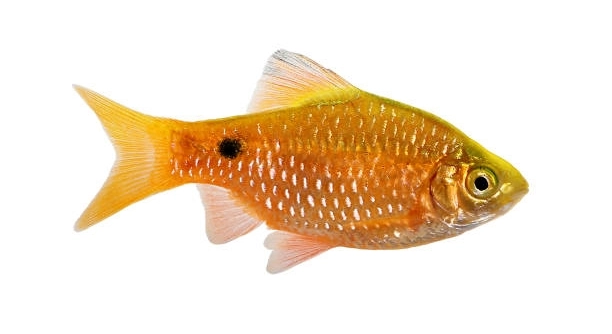
Rosy barbs are popular freshwater fish that add vibrant color to home aquariums. Many aquarium owners want to provide the best nutrition for these lively fish to keep them healthy and active. Feeding them properly is essential for their well-being.
Rosy barbs primarily eat a varied diet consisting of high-quality flakes, pellets, live foods such as brine shrimp and bloodworms, and occasional vegetable matter. Providing a balanced diet supports their growth, coloration, and overall health in captivity.
Knowing what to feed rosy barbs helps maintain their energy and bright appearance. This guide covers the essential aspects of their diet to ensure you care for them properly.
Basic Diet for Rosy Barbs
Rosy barbs thrive on a diet that includes high-quality flakes or pellets designed for tropical fish. These foods provide essential nutrients for daily energy and growth. Supplementing with live or frozen foods like brine shrimp, daphnia, and bloodworms adds protein and variety. Occasionally offering small amounts of vegetable matter such as blanched spinach or zucchini supports their digestion and overall health. Feeding small portions two to three times a day helps prevent overfeeding and maintains water quality. It’s important to remove uneaten food to avoid pollution. Consistency in feeding times creates a stable routine that benefits their metabolism and behavior. This balanced diet ensures rosy barbs stay vibrant and active, making them enjoyable to watch in your aquarium.
Feeding rosy barbs a balanced mix of flakes, pellets, live foods, and vegetables keeps them healthy and colorful.
Small live foods stimulate natural hunting behavior, encouraging activity and supporting their dietary needs. Variety is key to their nutrition.
Feeding Tips and Frequency
Rosy barbs do best when fed two to three times daily in small portions. Overfeeding can cause water quality issues and health problems. Their small mouths require bite-sized food pieces to eat comfortably. Feeding at regular intervals helps maintain consistent energy levels and reduces stress. Live and frozen foods should be given occasionally to supplement their diet, mimicking natural feeding patterns.
To keep rosy barbs healthy, maintain a feeding schedule and monitor their intake closely. Avoid excess food to protect water quality and fish health. Use a feeding ring or spot feeding for better control.
Using a feeding ring or spot feeding technique prevents scattered food and reduces waste. Observing feeding behavior helps identify health issues early. Feeding small amounts encourages full consumption, preventing leftovers that pollute the tank. Fresh live or frozen foods should be thawed and rinsed before feeding. Vegetables need to be soft and cut into small pieces. Variety in food choices ensures that rosy barbs receive all necessary vitamins, minerals, and proteins, supporting their vibrant coloration and active nature. Monitoring feeding habits regularly allows adjustments to quantity or food type based on their appetite and tank conditions, promoting long-term health and wellbeing.
Live and Frozen Foods
Live and frozen foods are excellent supplements for rosy barbs. They provide essential proteins and nutrients not always found in flakes or pellets. Common options include brine shrimp, bloodworms, and daphnia. These foods promote natural feeding behavior and improve overall health.
Feeding live or frozen foods once or twice a week helps maintain a varied diet. These foods stimulate rosy barbs’ natural hunting instincts, encouraging activity and reducing boredom. It also enhances their coloration and vitality. When offering frozen foods, make sure to thaw and rinse them to remove excess preservatives or ice. Live foods should be sourced carefully to avoid introducing diseases or parasites into the aquarium. Using live and frozen foods sparingly alongside staple diets ensures a balanced nutritional intake.
Avoid feeding live foods excessively to prevent water quality problems. Mix live and frozen foods with regular flakes for a well-rounded diet.
Vegetables and Plant Matter
Vegetables are important for rosy barbs’ digestion and provide fiber. Common choices include blanched spinach, peas, and zucchini. Vegetables should be softened and cut into small pieces for easy consumption. They also contribute to maintaining a healthy digestive system and can help prevent constipation.
Offering vegetables once or twice weekly ensures rosy barbs get sufficient plant-based nutrients. While they primarily need protein, adding vegetables supports a balanced diet and encourages natural grazing behavior. Always remove uneaten vegetable pieces to avoid water contamination. Some barbs may take time to accept vegetables, so gradually introducing them can help. Including plant matter helps simulate a more natural diet, contributing to overall health and longevity in captivity. Vegetables also add variety, which prevents dietary boredom.
Proper preparation and moderation of vegetables enhance the health benefits and avoid impacting tank cleanliness.
Avoiding Overfeeding
Overfeeding rosy barbs can cause health problems and water pollution. Feed small amounts that they can consume within two to three minutes. Remove any leftover food promptly to keep the tank clean and prevent harmful bacteria growth.
Maintaining a regular feeding schedule helps control portions. Observing your fish while they eat ensures they get the right amount without waste.
Signs of a Healthy Appetite
Healthy rosy barbs actively swim during feeding and eagerly eat offered food. They show bright coloration and energetic behavior. Loss of appetite or sluggishness can indicate stress or illness and may require dietary adjustments or water quality checks.
Choosing the Right Flake Food
Select flake food specifically formulated for tropical fish. High-quality flakes contain balanced nutrients and vitamins needed for rosy barbs’ growth and coloration. Avoid low-quality flakes that may lack essential ingredients and cause health issues.
Supplements for Rosy Barbs
Vitamin and mineral supplements can support overall health, especially if diet variety is limited. Use supplements sparingly and follow package instructions carefully to avoid overdosing.
FAQ
What is the best food for rosy barbs?
The best food for rosy barbs is a balanced mix of high-quality flakes or pellets, supplemented with live or frozen foods like brine shrimp, bloodworms, and daphnia. Occasional vegetables like blanched spinach or peas add fiber and variety. This combination supports their health, coloration, and activity.
How often should I feed my rosy barbs?
Feed rosy barbs two to three times daily in small portions they can finish within a few minutes. Overfeeding can cause water pollution and health issues. Live or frozen foods and vegetables should be offered one or two times per week to keep their diet varied.
Can rosy barbs eat vegetables?
Yes, rosy barbs benefit from vegetables such as blanched spinach, peas, or zucchini. These should be softened and cut into small pieces to aid digestion. Vegetables provide fiber and promote a healthy digestive system.
Will rosy barbs eat only flakes?
While flakes can serve as a staple diet, feeding only flakes may limit their nutrient variety. It’s important to supplement flakes with live, frozen, or vegetable foods to provide a balanced diet and enhance their coloration and vitality.
What live foods are safe for rosy barbs?
Safe live foods include brine shrimp, daphnia, and bloodworms. These options offer natural proteins and stimulate feeding instincts. Live food should be sourced carefully to avoid introducing diseases or parasites to the tank.
How do I prevent overfeeding?
Feed small portions that rosy barbs can consume within two to three minutes. Remove leftover food promptly. Maintaining a consistent feeding schedule helps control portions and reduce waste, keeping the tank clean and fish healthy.
Can rosy barbs eat pellets instead of flakes?
Yes, pellets made for tropical fish are a good alternative to flakes. They provide similar nutrients and often have better water stability. Choose high-quality pellets to ensure your fish receive all necessary vitamins and minerals.
Are frozen foods better than live foods?
Frozen foods are convenient and safer since they are free from parasites. Live foods encourage natural hunting behavior and activity. Both are valuable supplements and can be offered alternately to maintain diet variety.
How important is variety in their diet?
Variety is crucial for rosy barbs’ health. A diverse diet prevents nutrient deficiencies, encourages natural behaviors, and keeps fish interested in their food. Combining flakes, pellets, live or frozen foods, and vegetables ensures a complete nutritional profile.
Can I feed rosy barbs human food?
Human food is generally not recommended. Some vegetables like peas or spinach can be given, but avoid processed or seasoned foods. These may harm fish due to additives or inappropriate nutrient levels.
What signs indicate my rosy barbs are not eating well?
Signs include loss of appetite, lethargy, and faded coloration. If fish avoid food or seem sluggish during feeding times, check water quality, adjust diet, or consult a specialist to address possible health issues.
How to introduce new foods to rosy barbs?
Introduce new foods gradually by mixing small amounts with their regular diet. Observe their acceptance and digestion. Patience is important, as some fish need time to adapt to new tastes and textures.
Do rosy barbs need supplements?
Supplements can help if diet variety is limited or fish show signs of deficiency. Use vitamin and mineral supplements carefully, following instructions to avoid overdosing. Usually, a balanced diet provides all necessary nutrients.
Is it okay to feed rosy barbs live foods every day?
Feeding live foods daily is not necessary and may cause water quality issues. Use live foods as occasional treats to supplement their staple diet, supporting natural behavior without overloading the tank.
What should I do if my rosy barbs refuse food?
If refusal lasts more than a day or two, check water parameters and tank conditions. Stress, illness, or poor water quality often cause appetite loss. Adjust diet by offering different food types and consult an expert if the problem continues.
Rosy barbs require a balanced and varied diet to stay healthy and vibrant. Providing a combination of high-quality flakes or pellets with occasional live, frozen, and vegetable foods ensures they get the nutrients they need. This approach supports their growth, coloration, and overall well-being. It also encourages natural behaviors, which helps keep them active and reduces stress. Feeding small portions multiple times a day helps maintain water quality and prevents health problems related to overfeeding.
It is important to observe how your rosy barbs respond to their diet. Healthy fish are usually active and show interest during feeding times. If you notice changes in their appetite, behavior, or coloration, it may indicate a dietary imbalance or water quality issue. Adjusting their feeding routine or food types can often help resolve these problems. Consistency in feeding and careful monitoring of tank conditions are essential for keeping rosy barbs healthy over time.
Ultimately, feeding rosy barbs well involves understanding their basic dietary needs and maintaining a varied menu. Avoid relying solely on one type of food, and remember that small changes in diet can have a big impact on their health. Taking time to prepare food properly and feeding them the right amounts will improve their quality of life in the aquarium. These steps will help ensure your rosy barbs remain a colorful and lively part of your tank for years to come.

Hello,
If you enjoy the content that we create, please consider saying a "Thank You!" by leaving a tip.
Every little bit helps us continue crafting quality advice that supports the health, happiness, and well-being of pets around the world, for pets of all shapes, sizes, and species.
We really appreciate the kindness and support that you show us!