
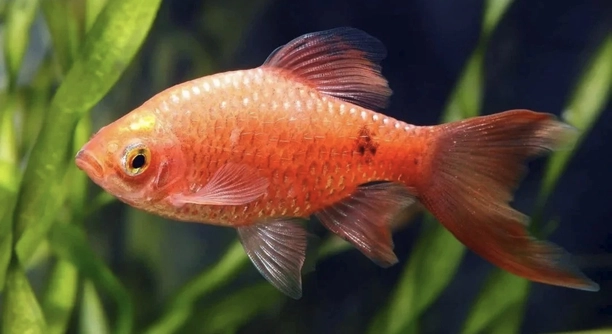
Are your Rosy Barbs nipping at other fish and causing trouble in your aquarium? You’re not alone in noticing this behavior. It can be frustrating, especially when you’re trying to keep a peaceful tank environment.
Rosy Barbs nip fins mainly due to stress, overcrowding, lack of stimulation, or poor tank conditions. This behavior is also tied to their natural instincts and can worsen without the right interventions or compatible tank mates.
Understanding their behavior helps prevent injuries and improves tank harmony. Let’s look at the reasons behind it and explore ways to stop the nipping.
1. Rosy Barbs Are Naturally Active and Curious
Rosy Barbs are known for their high energy and playful behavior. This makes them interesting to watch, but it can also lead to fin nipping. Their constant movement and curiosity often result in chasing or nudging other fish. In tanks without enough space or stimulation, this behavior can turn into persistent nipping. It’s not always aggressive by intent—it can be a way for them to interact or burn off energy. Unfortunately, this habit can stress or injure slower tank mates. Giving them a suitable environment helps manage their behavior and reduces conflict in community tanks.
If Rosy Barbs don’t have enough space or things to explore, they might chase other fish more often out of boredom or habit.
Keep your tank active and engaging by adding live plants, hiding spots, and plenty of swimming room. This helps reduce fin nipping and creates a calmer space for all your fish.
2. Overcrowded Tanks Lead to Stress
When too many fish are kept in one tank, it creates competition for space and resources. Rosy Barbs can become territorial, especially when they feel cramped or pushed into tight areas. This stress can show up as aggression, and nipping is one of the first signs. Even if your fish usually get along, overcrowding often causes their behavior to shift. A stressed fish is more reactive, and Rosy Barbs are quick swimmers that respond to tension with fast, nippy actions. Giving them a balanced space helps prevent this stress and keeps their activity levels in check.
A minimum tank size of 30 gallons is recommended for a small group of Rosy Barbs. Anything smaller may cause stress.
Avoid mixing them with slow-moving or long-finned fish in small tanks. Stick to tank mates that can match their energy and give them enough space to move around. Regular water changes and good filtration are also key. Clean water reduces stress and supports overall health. When tank conditions are ideal, Rosy Barbs are less likely to act out. Keep an eye on their behavior and adjust your tank setup if needed. This proactive approach can stop fin nipping before it becomes a bigger issue.
3. Lack of a Proper School Can Trigger Aggression
Rosy Barbs are schooling fish and need to be kept in groups. Keeping just one or two often leads to stress, which causes aggressive behaviors like fin nipping. They feel more secure and balanced in a group of at least five.
When kept in proper numbers, Rosy Barbs establish a social order and focus their energy within their group. This reduces their interest in chasing or bothering other tank mates. Without a group, they may become anxious and display erratic or aggressive behavior. A small school helps distribute their attention and lowers their stress. You’ll notice their behavior becoming more peaceful when they feel part of a group. Their active nature is easier to manage in numbers because they direct their movement and playfulness toward each other instead of harassing other fish in the tank. A larger group makes a big difference in tank harmony.
A group of six Rosy Barbs or more helps prevent isolation-based stress and aggressive outbursts. It’s also important that the tank is large enough to support the group without overcrowding. If the space is too tight, even a proper school won’t help. A spacious layout allows them to swim freely and interact naturally. Balanced numbers and adequate space make a noticeable difference in their behavior. This approach also keeps the tank visually appealing, as their schooling movements are beautiful when they feel safe and social. Matching their natural instincts creates a healthier and calmer aquarium.
4. Tank Mates with Long or Flowing Fins Attract Nipping
Rosy Barbs are drawn to movement, especially slow, flowing fins. Fish like bettas, guppies, or angelfish often become targets. The constant motion of their fins can trigger the barbs’ instinct to chase and nip.
Choosing tank mates with shorter fins helps reduce this issue. Fast swimmers or more robust fish are less likely to be bothered.
5. Not Enough Enrichment or Distractions
Rosy Barbs need stimulation to stay engaged. Without enough plants, decorations, or open swimming space, they grow restless and nip out of frustration. Add plants, caves, or driftwood to create structure and give them more to do throughout the day.
6. Aggressive Behavior Increases During Breeding
Breeding behavior can make Rosy Barbs more territorial and aggressive. Males may chase and nip as part of their mating routine. Separate breeding pairs or provide more space during this time.
FAQ
Do Rosy Barbs always nip fins, or is it just certain individuals?
Not all Rosy Barbs show fin-nipping behavior, but it’s common in stressful or poorly planned tank setups. Some individuals may nip more than others, especially males or more dominant fish. Fish kept alone, without a school, or in cramped tanks are more likely to develop aggressive habits. When kept in the right environment, Rosy Barbs can be peaceful and coexist well with compatible tank mates. It often comes down to tank size, stocking levels, and the temperament of the fish in the group. Watching their interactions regularly can help identify which ones are more likely to nip.
Can Rosy Barbs live peacefully with bettas or guppies?
Rosy Barbs are not a good match for slow-moving fish with long, flowing fins. Bettas and guppies are often targeted because their fins attract attention and invite chasing. Even if the tank seems calm at first, nipping can start suddenly and cause injury. It’s better to keep Rosy Barbs with faster or more robust species like danios, barbs, or some types of tetras. These tank mates are better suited to the active and curious nature of Rosy Barbs. Choosing compatible species helps prevent stress and injury in a community tank.
Is fin nipping always a sign of aggression?
Not always. Fin nipping in Rosy Barbs can also be triggered by boredom, overcrowding, or a lack of social structure. While it may look like aggression, it’s often just a response to the environment. In some cases, the nipping is part of social behavior or even breeding activity. Identifying the cause helps you address it properly. If the tank conditions are ideal and the fish are still nipping excessively, it may be a sign that a particular fish doesn’t belong in a community setup and may need a more suitable arrangement.
How can I stop Rosy Barbs from nipping other fish?
Start by making sure your tank is large enough and that you’re keeping a proper group of at least six Rosy Barbs. Add enrichment like plants, rocks, or driftwood to keep them active and engaged. Avoid mixing them with slow fish or those with long fins. Watch for breeding behavior, which can increase chasing and nipping. If one fish is persistently aggressive, consider removing it or rearranging the tank to break up territories. Improving tank conditions often solves the problem, but sometimes changing the fish setup is necessary.
Do Rosy Barbs get more aggressive as they get older?
They don’t usually become more aggressive with age, but their behavior can change depending on the tank environment and social dynamics. Older fish may become more territorial if the tank is too small or too crowded. Also, as males mature, they may become more competitive during breeding periods. Keeping them in a proper school with enough space helps keep things balanced. Regular monitoring and minor adjustments can help prevent unwanted behavior as they grow.
What signs should I watch for if fin nipping is becoming a problem?
Watch for frayed or torn fins, fish hiding more than usual, or fast, darting movements that suggest fear. These are early signs of stress or injury caused by nipping. If left unchecked, wounds can lead to infection and lower a fish’s quality of life. Also, observe for repeated chasing or cornering by a specific fish. These behaviors often mean that the tank setup needs improvement. Addressing the issue early helps protect all fish in the tank and keeps the environment peaceful.
Final Thoughts
Rosy Barbs are active and colorful fish that can bring energy to a home aquarium. However, their tendency to nip fins can cause problems if not managed properly. This behavior is often a response to stress, boredom, or poor tank conditions. Keeping them in the right environment with compatible tank mates is key to avoiding conflict. When they have enough space, a proper school, and plenty of enrichment, Rosy Barbs are less likely to chase or harm other fish. These small changes make a big difference in how they behave and interact with others in the tank.
Understanding the reasons behind their actions helps you create a better setup. Fin nipping is not always a sign of aggression. It may be linked to instinct, lack of stimulation, or even breeding behavior. Watching for signs of stress, such as hiding or damaged fins, allows you to act before things get worse. Making adjustments like improving water quality, adding plants, or separating certain fish during breeding can all help manage the situation. Consistent care, attention to tank layout, and thoughtful fish selection are important steps in keeping Rosy Barbs calm and content.
With the right care, Rosy Barbs can be peaceful, lively additions to a community tank. Choosing tank mates that match their energy level, maintaining clean water, and keeping them in a proper group all contribute to a balanced aquarium. Their behavior often reflects the conditions they live in, so a healthy, well-maintained tank leads to better interactions. Although fin nipping can be frustrating, it’s usually manageable with a few changes. By learning about their needs and responding to them early, you can enjoy a vibrant tank where all fish thrive.

Hello,
If you enjoy the content that we create, please consider saying a "Thank You!" by leaving a tip.
Every little bit helps us continue crafting quality advice that supports the health, happiness, and well-being of pets around the world, for pets of all shapes, sizes, and species.
We really appreciate the kindness and support that you show us!