
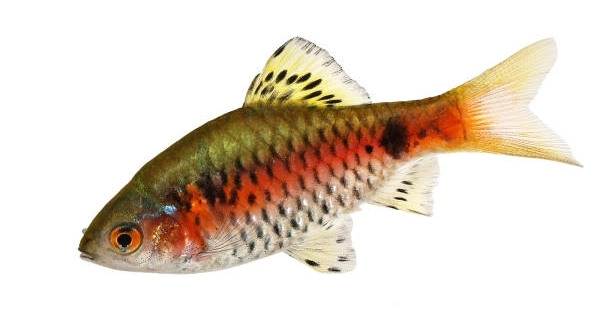
Rosy Barbs are popular freshwater fish that many keep in home aquariums. They are active and social creatures, often seen swimming together in groups. Understanding their behavior helps ensure they live happily and healthily in captivity.
Rosy Barbs can experience loneliness if kept alone or without enough companions. These fish are naturally schooling species, relying on group interactions for social stimulation and reduced stress. Isolation can lead to behavioral changes and impact their overall well-being.
Knowing how to care for Rosy Barbs properly can improve their quality of life and prevent common issues related to loneliness. This article will guide you through essential information about their social needs.
Why Rosy Barbs Need Company
Rosy Barbs are naturally social fish. In the wild, they swim in schools, which helps them feel safe and comfortable. When kept alone, they can become stressed or shy. Stress can weaken their immune system, making them more likely to get sick. Having companions allows them to show natural behaviors like chasing each other and exploring together. It also keeps them more active and vibrant in color. For a healthy tank, it’s best to keep at least five Rosy Barbs together. A small group will balance the social dynamics and reduce any aggressive behavior. Without enough companions, a single Rosy Barb might hide or stop eating well. Social interaction is an important part of their life, so meeting this need will help keep them lively and healthy.
Keeping multiple Rosy Barbs creates a more natural environment and reduces loneliness effectively.
If you want your Rosy Barbs to thrive, consider their social nature seriously. Avoid keeping just one fish alone, as it can negatively affect their health. Also, watch for signs like lethargy or hiding, which may mean they feel isolated. Proper tank size and hiding spots also improve their comfort and reduce stress. By providing a group and a suitable environment, you support their well-being and encourage natural behavior. This approach leads to happier, healthier fish that brighten up your aquarium.
Signs That Your Rosy Barbs Might Be Lonely
Lonely Rosy Barbs often show changes in behavior. They might hide more or become less active. Some may lose their bright coloration or stop eating properly. These signs indicate stress, which can result from isolation or poor tank conditions. It’s important to observe your fish regularly and notice any unusual changes. Sometimes, adding more Rosy Barbs or improving the tank environment can help.
If your fish shows these signs, it’s time to reconsider their social needs.
To support your Rosy Barbs, make sure their environment includes enough space and companions. Fish kept alone often become stressed, which lowers their immunity and can lead to illness. Adding more fish of the same species helps restore social balance. Besides companions, providing plants and decorations can offer hiding spots, reducing stress. Regular tank maintenance and water quality checks are also key to keeping fish healthy. Paying attention to both social and environmental factors creates a thriving habitat. This helps prevent loneliness and keeps your Rosy Barbs active and colorful over time.
How to Prevent Loneliness in Rosy Barbs
The easiest way to prevent loneliness is by keeping Rosy Barbs in groups of five or more. A proper tank setup with enough space and hiding spots also helps. Regular interaction with their environment keeps them active.
Ensuring your Rosy Barbs have companions helps reduce stress and promotes natural behavior. It’s important to choose a tank size that can comfortably hold the group, typically at least 30 gallons. Adding plants and decorations creates hiding spaces that make them feel secure. Without enough space or companions, Rosy Barbs may become aggressive or withdrawn. Monitoring their behavior regularly can help catch signs of stress early. Maintaining clean water and stable conditions supports their health and comfort, which also reduces loneliness.
Introducing new fish gradually helps avoid aggression and allows the group to settle peacefully. Keeping a consistent feeding routine and varied diet keeps the fish engaged and healthy. Together, these steps create a balanced and happy aquarium environment.
Ideal Tank Conditions for Rosy Barbs
Rosy Barbs thrive in a well-maintained tank with clean, filtered water and stable temperatures. Proper conditions prevent stress and promote healthy social behavior.
The ideal water temperature for Rosy Barbs is between 64°F and 72°F. The pH should stay around neutral, between 6.5 and 7.5, with low ammonia and nitrate levels. Regular water changes and good filtration are essential to maintain water quality. A tank size of 30 gallons or larger supports their active schooling nature and provides enough swimming space. Including live plants, smooth rocks, and hiding places mimics their natural habitat and helps reduce stress. Proper lighting should be moderate to avoid startling the fish. Keeping these conditions consistent will help your Rosy Barbs stay healthy, active, and social.
Feeding Tips to Keep Rosy Barbs Healthy
A balanced diet is key to keeping Rosy Barbs healthy and active. They eat flakes, pellets, and live or frozen foods like brine shrimp. Variety prevents boredom and nutritional gaps.
Feed small amounts two to three times daily. Avoid overfeeding, which can pollute the tank and harm fish health.
Social Behavior in Rosy Barbs
Rosy Barbs communicate through swimming patterns and color changes. They establish social hierarchies but generally coexist peacefully in groups. Observing their behavior helps identify stress or aggression early, ensuring a balanced tank environment.
Introducing New Rosy Barbs to Your Tank
Introduce new Rosy Barbs slowly by quarantining them for at least two weeks. Gradual introduction reduces stress and potential disease spread among the group.
Common Mistakes in Rosy Barb Care
Overcrowding and poor water quality are frequent errors. Both can cause stress, illness, and behavioral problems in Rosy Barbs.
Can Rosy Barbs Live Alone?
Rosy Barbs are schooling fish and prefer living in groups. While they can survive alone, keeping a single fish often leads to stress and loneliness. Isolation can cause them to hide more and lose their vibrant colors. For their mental and physical health, it’s best to keep at least five together.
How Many Rosy Barbs Should I Keep Together?
A minimum of five Rosy Barbs is recommended to create a natural social group. Smaller numbers can lead to aggression or stress. Larger groups help distribute social interactions, making the fish more active and less likely to become shy or lonely.
What Are Signs My Rosy Barb Is Lonely?
Lonely Rosy Barbs often hide excessively or become lethargic. They might stop eating or lose their bright coloration. You may notice less interaction with other fish or fewer natural behaviors like chasing and schooling.
How Can I Help a Lonely Rosy Barb?
Add more Rosy Barbs to the tank slowly, after proper quarantine. Provide plenty of plants and hiding spots. Keep water conditions stable and clean to reduce stress. Enrich their environment with decorations or gentle water currents to encourage natural activity.
Can Rosy Barbs Get Along With Other Fish?
Rosy Barbs are generally peaceful but active. They do well with similarly sized, non-aggressive species. Avoid very small or very aggressive tank mates. Schooling Rosy Barbs need companions of their own species to feel secure and balanced.
What Tank Size Is Best for Rosy Barbs?
At least 30 gallons is ideal for a group of five Rosy Barbs. This provides enough space for swimming and social behavior. Larger tanks offer better water quality and reduce territorial disputes.
What Is the Best Water Temperature for Rosy Barbs?
Rosy Barbs thrive in temperatures between 64°F and 72°F. Stable temperatures in this range reduce stress and support healthy activity. Sudden changes in temperature should be avoided.
How Often Should I Feed Rosy Barbs?
Feed small amounts two to three times daily. A varied diet including flakes, pellets, and occasional live or frozen foods keeps them healthy. Overfeeding can lead to water pollution and health problems.
Do Rosy Barbs Need Special Lighting?
Moderate lighting is best for Rosy Barbs. It enhances their natural colors without causing stress. Too bright lighting can make them hide, while too dim can dull their colors.
How Can I Prevent Aggression Among Rosy Barbs?
Maintain a proper group size with enough space. Provide hiding spots and decorations to reduce stress. Avoid overcrowding and monitor fish behavior regularly to catch any early signs of aggression.
Is Quarantine Necessary When Adding New Rosy Barbs?
Quarantining new fish for at least two weeks helps prevent disease spread. It also allows new Rosy Barbs to adjust before joining the main tank. This reduces stress for all fish involved.
What Should I Do If My Rosy Barb Shows Signs of Stress?
Check water quality first—poor conditions often cause stress. Ensure enough companions and proper tank size. Add hiding places and keep a consistent feeding schedule. If problems persist, consider consulting a vet or fish specialist.
Can Rosy Barbs Change Color When Lonely?
Yes, loneliness and stress can dull their colors. Healthy, social Rosy Barbs show bright reds and golds. Dull or faded colors often signal poor social or environmental conditions.
Are Rosy Barbs Easy to Care For?
Rosy Barbs are generally hardy and good for beginners. They require basic water care, a suitable group size, and a balanced diet. Meeting their social and environmental needs keeps them healthy and vibrant.
How Long Do Rosy Barbs Live?
With proper care, Rosy Barbs live around 5 years on average. Good water quality, diet, and social environment contribute to a longer, healthier life.
Can Rosy Barbs Jump Out of the Tank?
Rosy Barbs are active swimmers and can jump if startled or if the tank lacks a cover. Using a secure lid reduces escape risk and keeps them safe.
Do Rosy Barbs Require Special Water Parameters?
They prefer slightly acidic to neutral water, with a pH between 6.5 and 7.5. Stable water conditions with low ammonia and nitrate levels are essential for their health.
What Should I Do If Rosy Barbs Become Aggressive?
Check tank size and group numbers first. Overcrowding often causes aggression. Rearranging decorations or adding plants can break sight lines and reduce fights. Remove any overly aggressive individuals if needed.
How Can I Enrich the Environment for Rosy Barbs?
Provide plants, rocks, and hiding spots. Gentle water currents and varied feeding routines also keep them engaged. A stimulating environment supports their natural behavior and reduces boredom.
Are Rosy Barbs Suitable for Beginners?
Yes, they are relatively easy to care for but require attention to social needs. Beginners should focus on maintaining water quality and keeping them in groups to avoid loneliness and stress.
Rosy Barbs are lively and social fish that do best when kept in groups. Their natural behavior is to swim together in schools, which helps reduce stress and promotes healthy activity. When they are alone, they can become lonely, which often leads to changes in behavior such as hiding, reduced appetite, or duller colors. These signs are important to notice because they indicate the fish may not be thriving. Providing a group of at least five Rosy Barbs creates a better environment for them to display natural behaviors and stay healthy.
The environment you create for your Rosy Barbs plays a key role in their well-being. A tank size of 30 gallons or more is ideal to allow enough space for swimming and socializing. Keeping the water clean and stable with proper filtration, temperature, and pH balance helps reduce stress. Including plants, rocks, and decorations offers hiding places and stimulation, which contributes to their overall happiness. Feeding them a varied diet in appropriate amounts supports their health and helps maintain their vibrant colors. All these factors together create a balanced aquarium where Rosy Barbs can thrive.
It is important to watch your Rosy Barbs regularly and be aware of any changes in their behavior or appearance. Early detection of loneliness or stress means you can make adjustments quickly, whether that is adding more companions, improving water quality, or changing the tank setup. Remember that Rosy Barbs are active, social fish that rely on their group and environment to feel secure and healthy. Taking care of their social needs, alongside proper tank maintenance, will help you enjoy bright, lively fish that bring beauty and energy to your aquarium.

Hello,
If you enjoy the content that we create, please consider saying a "Thank You!" by leaving a tip.
Every little bit helps us continue crafting quality advice that supports the health, happiness, and well-being of pets around the world, for pets of all shapes, sizes, and species.
We really appreciate the kindness and support that you show us!