
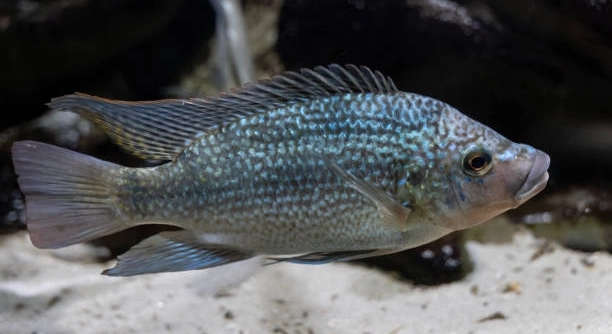
African cichlids are popular aquarium fish known for their vibrant colors and active behavior. Many fishkeepers enjoy having them, but keeping them healthy requires attention to small daily habits. These habits can make a big difference in their well-being.
Healthy African cichlids thrive when their environment is stable, their diet balanced, and their water quality consistently maintained. Small, regular care routines contribute significantly to their overall health and longevity in captivity.
Learning these simple habits will help ensure your cichlids stay strong and lively for years to come. This article will guide you through key daily practices that support their health.
Consistent Water Changes
Maintaining clean water is essential for African cichlids. Their natural habitats have clear, well-oxygenated water, so replicating this is key. Frequent water changes help remove toxins like ammonia and nitrites that build up over time. Even small amounts of waste can stress the fish, making them more vulnerable to disease. Regular water changes also stabilize pH and hardness, which cichlids need to stay healthy. Many keepers find that changing about 20-30% of the water weekly works well. Using a water conditioner can neutralize chlorine and chloramine in tap water. It’s important to match the new water’s temperature to the tank to avoid shocking the fish. Testing water parameters regularly helps track conditions and ensures changes are effective. Clean water supports not only the fish but also beneficial bacteria that break down waste naturally.
Consistent water changes prevent buildup of harmful substances and help keep the tank environment stable and safe for your cichlids.
Keeping water fresh and clean avoids stress and illness, letting your cichlids display their best colors and natural behaviors. It also reduces algae growth and maintains better oxygen levels. Small regular maintenance keeps the aquarium balanced, so your fish can thrive without sudden changes or surprises in their environment.
Balanced Diet
A varied diet supports African cichlids’ health and vibrant colors. Feeding only one type of food can cause nutritional deficiencies. Most cichlids do well with a mix of high-quality pellets, flakes, and frozen or live foods like brine shrimp or bloodworms. Some species also benefit from vegetable matter like spirulina or blanched spinach. Overfeeding should be avoided as it can pollute the water and lead to obesity. Feeding small portions once or twice daily is usually enough. Observing your fish during feeding helps ensure all get their share and remain active. A good diet promotes strong immune systems and bright coloration, reflecting their health. Supplements can be used occasionally if recommended, but a balanced diet is the foundation. Variety also keeps your fish interested in their meals.
A balanced diet prevents nutritional problems and enhances your cichlids’ natural beauty and energy levels.
Choosing the right food and feeding schedule creates a routine that benefits both fish and caretaker. Fresh food options improve digestion and vitality, while avoiding leftovers helps maintain water quality. Paying attention to dietary needs reduces risks of common ailments like bloating or deformities, making your aquarium a healthier space for your fish.
Stable Water Temperature
Keeping water temperature steady is vital for African cichlids. Sudden changes stress the fish and can lead to illness.
Most cichlids thrive between 75°F and 82°F. Using a reliable heater and thermometer helps maintain this range. Avoid placing the tank near windows or vents where temperature can fluctuate. Sudden drops or spikes weaken fish immunity and disrupt their behavior. Consistency allows them to feed, swim, and breed normally. Checking temperature daily is a simple habit that prevents many problems. Even small shifts can cause discomfort or stress, so stability is more important than hitting an exact number.
Using a quality heater with a built-in thermostat reduces the risk of overheating or cooling. Monitoring temperature along with water parameters ensures a balanced environment for your cichlids to flourish.
Regular Tank Cleaning
Removing uneaten food and debris keeps the tank environment healthy. Cleaning prevents buildup that can harm fish.
Regularly vacuuming the substrate and wiping tank walls controls waste and algae growth. Avoid over-cleaning beneficial bacteria that support the nitrogen cycle. Cleaning filters as recommended maintains water flow and filtration quality. Removing excess organic matter helps keep ammonia and nitrate levels low, reducing stress on fish. Observing tank cleanliness daily allows early detection of issues like algae blooms or cloudy water. Simple maintenance habits keep your aquarium balanced and your cichlids healthy.
Consistent cleaning routines paired with water changes create a safe and stable home. Neglecting tank cleanliness can lead to poor water quality, disease outbreaks, and unhappy fish. By staying on top of tank care, you ensure a better life for your cichlids and a more enjoyable aquarium experience for yourself.
Proper Tank Size
African cichlids need enough space to swim and establish territories. Overcrowding causes stress and aggression.
A tank of at least 30 gallons is recommended for smaller species. Larger species require more space. Giving them room reduces conflicts and promotes natural behavior.
Monitoring Behavior
Watching your cichlids daily helps spot early signs of illness or stress. Changes in activity or appetite should not be ignored.
Early detection allows timely action, preventing serious health problems. Observing social interactions also helps manage aggression within the tank.
Quality Filtration
Effective filtration keeps water clear and removes harmful substances. A strong filter supports the biological balance in the tank.
Using a filter rated for your tank size ensures efficient waste removal. Cleaning the filter media without destroying beneficial bacteria is important.
Avoid Overfeeding
Feeding too much can pollute the water and harm fish health. Small, measured portions once or twice daily work best.
FAQ
How often should I change the water in my African cichlid tank?
Water changes should be done weekly, ideally replacing 20-30% of the tank water each time. This helps keep ammonia and nitrate levels low and maintains water quality. More frequent changes may be needed if the tank is heavily stocked or if water parameters are unstable.
What is the best diet for African cichlids?
A varied diet is best. High-quality pellets or flakes designed for cichlids form the base. Supplement with live or frozen foods like brine shrimp or bloodworms, and some vegetable matter like spirulina or blanched spinach. Avoid overfeeding to prevent water pollution and health issues.
Can African cichlids live with other fish?
Many African cichlids are territorial and aggressive, especially in small tanks. Compatibility depends on species and tank size. Generally, it’s safer to keep them with other African cichlids or similarly sized, robust fish that can handle their behavior.
What water temperature is ideal?
Maintain a stable temperature between 75°F and 82°F. Sudden fluctuations can stress the fish. Use a reliable heater and thermometer to monitor and control the temperature consistently.
How do I prevent algae growth?
Regular water changes, avoiding overfeeding, and proper lighting help control algae. Cleaning the tank walls and substrate also reduces buildup. Balanced water chemistry and good filtration are key factors.
How often should I clean the filter?
Filters should be cleaned every 3-4 weeks or when water flow decreases. Use tank water to rinse filter media to preserve beneficial bacteria. Avoid using tap water or harsh cleaning agents that kill these helpful bacteria.
What signs show my cichlids are stressed?
Signs include hiding, loss of appetite, faded colors, erratic swimming, or aggression. Stress can result from poor water quality, overcrowding, or sudden changes. Acting quickly by improving tank conditions often helps.
Is it necessary to use water conditioners?
Yes, when using tap water, conditioners remove chlorine, chloramine, and heavy metals that harm fish. Conditioning water before adding it to the tank is a simple but crucial step in care.
How large should my tank be?
A minimum of 30 gallons is recommended for smaller African cichlid species. Larger species need more space. Providing enough room reduces aggression and promotes natural behavior.
Can I keep African cichlids in a planted tank?
Many cichlids like to dig or rearrange substrates, which can uproot plants. Hardy plants anchored well may survive, but expect some damage. Choose plants that tolerate disturbance if you want to include them.
Taking care of African cichlids involves paying attention to several small but important habits. These fish need stable water conditions, a balanced diet, and a clean environment to stay healthy. By making water changes regularly, feeding them the right food in proper amounts, and keeping the tank clean, you create a home where they can thrive. It may seem like extra work at first, but these habits become part of a routine that benefits both you and your fish.
Stable temperature and good filtration are other key factors. African cichlids come from waters with specific temperature ranges and clean, well-oxygenated environments. Keeping the tank heater at the right setting and using an effective filter prevents many common health problems. Watching your fish daily also helps you notice any changes in behavior or appearance early. Quick action can prevent illnesses from becoming serious. These steps are simple but powerful ways to keep your cichlids comfortable and lively.
Finally, understanding their natural behavior and needs is helpful. African cichlids often like to establish territories and interact socially in ways that sometimes look aggressive. Giving them enough space and choosing compatible tank mates reduces stress for everyone. With patience and consistent care, your cichlids will show their best colors and active personalities. Healthy fish make the aquarium more enjoyable and rewarding to maintain. Focusing on these small habits will pay off with happy, long-living fish.

Hello,
If you enjoy the content that we create, please consider saying a "Thank You!" by leaving a tip.
Every little bit helps us continue crafting quality advice that supports the health, happiness, and well-being of pets around the world, for pets of all shapes, sizes, and species.
We really appreciate the kindness and support that you show us!