
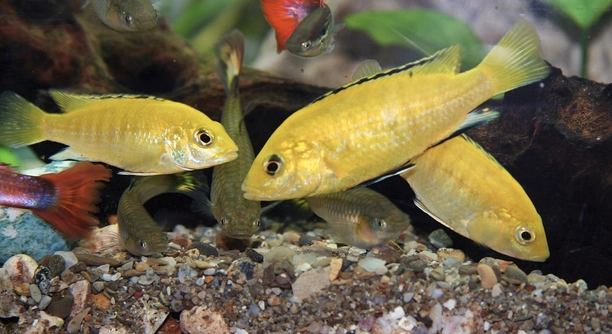
Are your cichlids acting strangely after you switch on the tank lights? Sudden changes in their environment can sometimes lead to unusual behavior in these colorful freshwater fish. Understanding the cause is important for their well-being.
Cichlids are sensitive to sudden light changes, which can startle them and cause stress. Quick shifts from darkness to bright light may trigger panic responses, leading to erratic swimming or even injury in some cases.
Learning how light impacts your cichlids can help you create a calmer, safer space for them to thrive in your aquarium.
Why Sudden Light Affects Cichlids
Cichlids are naturally alert and aware of their surroundings. In the wild, changes in light happen gradually, like sunrise and sunset. Sudden bursts of light can feel unnatural and even threatening. When the tank goes from complete darkness to bright light, it may cause your cichlids to dart around or try to hide. This behavior isn’t just random—it’s their instinct kicking in, telling them to flee from possible danger. Repeated stress like this can weaken their immune system, making them more likely to get sick. Cichlids are smart and observant, but they still need consistency in their environment. A calm, steady routine helps them stay healthy and feel secure. That includes a lighting schedule that mimics natural changes as closely as possible. It’s a small detail that can make a big difference in your fish’s behavior and long-term health. It also keeps their colors brighter and their movements more relaxed.
Sudden lighting changes can also interrupt sleep cycles. Cichlids need periods of darkness for rest and recovery, just like any other animal.
A simple solution is using a dim room light or ambient lighting for a few minutes before switching on the aquarium light. This gives the fish time to adjust.
Creating a Stress-Free Light Routine
Start by choosing a consistent time each day to turn lights on and off. Cichlids do best with a regular schedule.
If you want to reduce stress further, consider adding a light timer to your tank setup. Timers allow for smooth transitions by mimicking natural light changes. Some timers have a ramp-up feature, which slowly increases brightness over several minutes. This gives your cichlids time to adjust without reacting in fear. If a timer isn’t an option, you can manually create a similar effect by switching on a nearby room light for a few minutes first. Also, avoid placing the tank near windows or areas with unpredictable lighting. Flashlights, TVs, and sudden shadows can also startle your fish. Keep the environment calm and quiet during their rest period. Reducing sharp changes in light helps them feel safe and behave normally. It’s a small effort that goes a long way in maintaining a balanced, healthy aquarium where your cichlids can thrive without added stress.
Common Signs of Light Stress in Cichlids
When cichlids are stressed by sudden light, they may dart quickly, hide more often, or change colors slightly. You might also notice them staying still at the bottom or avoiding the top of the tank altogether.
Erratic swimming is one of the first signs to look for. If your cichlid suddenly shoots across the tank when the light comes on, it’s likely reacting to the shock. Another sign is hiding in corners or behind decorations, especially if this happens only after the light changes. Some cichlids may lose interest in food right after the light turns on, which can signal discomfort. While these behaviors can have other causes, if they appear immediately after a lighting change, it’s a good indicator that your lighting setup might be too harsh or sudden. Observing your fish closely helps you catch these early signs and adjust the environment accordingly.
Long-term exposure to stressful lighting can also cause more serious issues. You might see a faded color tone or slower growth in younger cichlids. These are signs their body is focusing more on survival than development. Stress can also suppress their immune system, which makes them more likely to get infections or parasites. Keeping their lighting gentle and predictable can help prevent these problems.
Tools and Tips for Better Lighting Control
Using a programmable timer is one of the easiest ways to improve lighting conditions. These devices can be set to turn lights on and off at the same time each day, creating a stable pattern.
Look for timers with a ramp-up or fade-in feature. These gradually increase light over several minutes instead of turning it on suddenly. It helps mimic sunrise, which is more natural for your fish. If you don’t have a timer, turn on a nearby room light or leave curtains open slightly to let in early morning light before the tank light comes on. LED lights with adjustable brightness can also make a big difference. Try to avoid using lights that are too intense or white, especially if your tank has little cover. Adding plants, rocks, or driftwood gives your cichlids more places to hide and feel secure. These small changes help reduce daily stress and support a healthier tank environment.
Mistakes to Avoid with Tank Lighting
Avoid turning on the tank light suddenly in a dark room. This can startle your cichlids and cause them to panic. Always give them a gradual light change to reduce stress.
Don’t leave the lights on all day. Cichlids need rest too, and constant light can disrupt their natural rhythms.
How Tank Location Affects Light Exposure
Placing your tank near a window can cause irregular lighting due to sunlight changes throughout the day. Bright morning or afternoon light can confuse your fish and add glare to the tank. It can also lead to algae growth, which creates extra cleaning work. Try placing the tank in a room with steady light conditions. Make sure lamps, TVs, or passing shadows aren’t directly hitting the tank. These can make the fish feel like something is moving toward them, and they may react with stress. A quiet, stable corner works best, away from foot traffic and strong light sources.
When to Adjust Your Routine
If your cichlids act skittish when lights come on or hide more than usual, it might be time to change your lighting habits.
FAQ
Can sudden light changes harm my cichlids permanently?
Sudden light changes usually cause short-term stress, but if it happens often, it can lead to long-term health issues. Chronic stress can weaken their immune system, making them more prone to illness. It may also affect their appetite, behavior, and growth. If your cichlids are frequently startled or show signs of fear when the light turns on, it’s a sign that their environment may be too harsh. While one or two incidents may not cause lasting damage, repeated exposure can reduce their overall well-being. It’s best to create a calm lighting routine to prevent these effects from building up over time.
How long should I keep my aquarium lights on each day?
Cichlids do well with 8 to 10 hours of light daily. This mimics a natural day and night cycle and helps keep their behavior and internal clocks balanced. Too much light can cause stress, while too little may affect their activity and color. If you’re unsure, start with 9 hours and adjust slightly based on how your fish react. Just make sure they get consistent darkness at night, which is when they rest. Try to keep the schedule steady, even on weekends. Using a timer makes this much easier and keeps your cichlids on track without extra effort.
Can I leave a night light on for my cichlids?
It’s best to give your cichlids complete darkness at night. Leaving a dim light on may seem gentle, but it can interfere with their rest cycle. Like many animals, cichlids rely on darkness to feel secure and relaxed. A night light can cause confusion and lead to increased stress, especially if it stays on for long periods. If you need to check on them at night, use a dim room light briefly, but avoid constant lighting. Darkness helps them recover, lowers activity levels, and allows their natural sleep patterns to stay in balance. A fully dark period supports their health.
What kind of lighting is best for cichlid tanks?
LED lights are a good choice for cichlid tanks because they are adjustable, energy-efficient, and create less heat. Choose lighting that allows you to dim the brightness or gradually increase it over time. Avoid very bright white lights, especially if your tank doesn’t have a lot of hiding spots. Warm-toned lights can feel more natural and less intense. Some aquarists use full-spectrum lights to support plant growth, but it’s important to find a balance that doesn’t overwhelm the fish. A softer, steady light works well for most cichlids, as long as it mimics a gentle day-night pattern.
Should I use a timer for my aquarium lights?
Yes, a timer is one of the simplest ways to create a healthy and stable lighting routine. It turns the light on and off at the same times every day, so your cichlids experience regular cycles without surprises. Some timers also offer fade-in and fade-out settings, which mimic sunrise and sunset. This helps reduce the shock of sudden brightness and keeps the fish calm. Using a timer also helps when you’re away or busy and can’t switch the lights manually. It adds structure to your tank and removes the guesswork from your routine, making life easier for both you and your fish.
Why do my cichlids hide when the light turns on?
If your cichlids hide suddenly when the light comes on, it’s likely because they’re startled by the change. In a dark room, flipping on a bright light can feel like a threat. Hiding is a natural defense. Over time, if this keeps happening, it can lead to stress. Try turning on a dim room light first or using a ramp-up light system. Also, make sure the tank has decorations or plants where they can retreat and feel safe. The goal is to make the lighting transition feel gradual and predictable, so they don’t react with fear each day.
Can light affect the color of my cichlids?
Yes, lighting can influence the way your cichlids’ colors appear. Brighter lights can enhance their natural colors, but only if the fish feel safe and healthy. Stress caused by sudden or harsh lighting can actually dull their appearance. You might notice faded colors or dark patches if they’re uncomfortable. On the other hand, gentle, consistent lighting paired with good water quality and diet can bring out vibrant shades in your fish. Try not to rely solely on lighting to improve color—your fish also need low stress, stable conditions, and proper nutrition to maintain their natural brightness over time.
Final Thoughts
Cichlids are strong, active fish, but they still need a calm and stable environment to stay healthy. Sudden lighting changes might seem like a small detail, but they can have a big effect on how your fish behave and feel. Quick shifts from dark to bright light can startle them, causing stress and panic. Over time, this stress can lead to health issues, like poor appetite, dull colors, or even a weaker immune system. That’s why it’s important to pay attention to how and when lights are used in and around the tank. A few small changes can go a long way in keeping your cichlids safe and comfortable.
Using a light timer, adding background lighting before turning on the tank light, or simply placing the tank in a quieter spot can all help reduce stress. These steps create a softer transition from night to day and make the environment feel more natural. Cichlids rely on patterns and consistency. When their lighting follows a regular rhythm, they’re more likely to behave normally, eat well, and show their full colors. Try to avoid placing the tank near windows, bright screens, or lamps that may add sudden light or shadows. Even something as simple as room lights turning on can affect them if the tank light is off.
Good lighting is more than just making the tank look nice—it plays a key role in your fish’s daily life. Light helps regulate their sleep, activity, and even mood. Just like us, they need a balance between light and dark to feel their best. Paying attention to their behavior will help you know if something isn’t right. If they dart, hide, or act uneasy, take a closer look at your lighting habits. Every fish is different, but most cichlids will respond well to gentle, steady light. By making these small adjustments, you’re giving your fish a better chance to thrive. It’s a simple way to support their health and enjoy a peaceful, active tank that brings joy every day.

Hello,
If you enjoy the content that we create, please consider saying a "Thank You!" by leaving a tip.
Every little bit helps us continue crafting quality advice that supports the health, happiness, and well-being of pets around the world, for pets of all shapes, sizes, and species.
We really appreciate the kindness and support that you show us!