
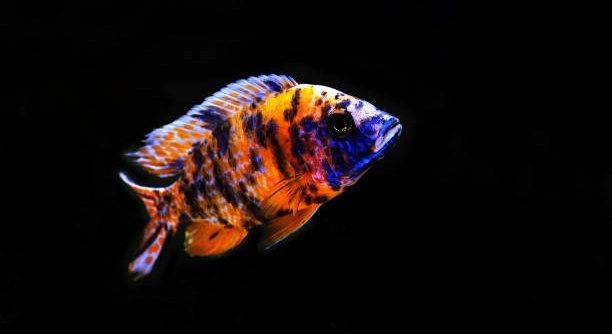
Cichlids are fascinating freshwater fish known for their unique behaviors. One of their most interesting habits is moving small pebbles around in their tanks or natural habitats. This activity catches the attention of many aquarium enthusiasts and researchers alike.
Cichlids move pebbles primarily to build and maintain nests for breeding purposes. They carefully arrange the substrate to create a safe environment for their eggs and young. This behavior also serves as a way to establish territory and signal reproductive readiness.
Understanding why cichlids engage in this pebble-moving behavior can enhance how we care for them. Their actions reveal important aspects of their natural instincts and social interactions in aquatic environments.
Why Cichlids Move Pebbles Around
Cichlids are known for their meticulous behavior when it comes to arranging their environment. Moving pebbles is part of how they prepare their breeding sites. They clear a flat area or create small pits where they lay their eggs. This helps protect the eggs from predators and strong water currents. Pebbles also help regulate water flow, keeping the eggs oxygenated. In addition, moving stones allows cichlids to mark their territory clearly. Other fish recognize these signals and avoid conflict, which reduces stress for the cichlids. This behavior shows how instinctive and important nest-building is for their survival. It also reflects how cichlids adapt to different environments, using what they find around them to keep their offspring safe. Such behaviors are essential for maintaining the species in natural and captive habitats alike.
This pebble moving is mostly seen during breeding seasons and less often at other times. It’s a natural and necessary activity for their reproductive success.
Observing these behaviors can give valuable insights into cichlid health and comfort. Providing the right environment with suitable substrate encourages natural nest-building. This means offering a tank with enough pebbles or gravel for them to manipulate. It also means avoiding sudden disturbances that could interrupt their nesting. Understanding these needs helps maintain a healthy aquarium environment. It supports their breeding behavior and reduces stress-related problems. Overall, knowing why cichlids move pebbles can improve both their care and breeding outcomes.
The Role of Territory and Communication
Cichlids use pebble moving to communicate boundaries in their habitat. This behavior is a clear sign to other fish to keep distance.
Territorial behavior is strong in cichlids, especially during breeding. Moving pebbles is part of how they define and defend their space. By rearranging their surroundings, they send signals to rivals about ownership. This reduces physical fights, which can cause injury or stress. The pebble arrangements serve as visual markers, showing other fish that the area is claimed. This is important because many cichlids live in crowded environments where space is limited. Holding territory means access to resources like food, shelter, and breeding sites. It also improves their chances of successfully raising young. Pebble moving becomes a daily activity tied closely to social hierarchy and survival. It is a practical and effective way of communicating without direct confrontation. This behavior highlights the complexity of cichlid social interactions beyond just breeding.
Pebble Moving and Environmental Adaptation
Pebble moving helps cichlids adjust their surroundings to fit their needs. They shape the tank or riverbed to create safe and comfortable spaces for themselves and their young. This behavior reflects their ability to interact with their environment actively.
By rearranging pebbles, cichlids can control water flow and sediment build-up around their nests. This helps keep the eggs clean and well-oxygenated. It also prevents debris from settling on the eggs, which could cause harm. In natural habitats, this behavior allows them to adapt to changes such as shifting currents or new obstacles. Even in aquariums, they continue this instinctive action to maintain a stable breeding area. This shows their resilience and connection to their natural habits. Their ability to modify their environment supports their survival and reproductive success.
These actions also impact other species sharing the habitat. The pebble movement can change the layout, affecting shelter spots and feeding grounds for smaller creatures. This subtle environmental engineering influences the local ecosystem balance. Understanding this helps aquarists create better conditions by mimicking natural substrate variety and water flow. Encouraging this behavior improves fish wellbeing and tank health overall.
How Pebble Movement Affects Tank Maintenance
Pebble moving by cichlids can complicate tank maintenance. Their constant rearranging shifts gravel and debris, requiring more frequent cleaning.
Aquarists need to monitor the tank substrate carefully, as displaced pebbles may clog filters or settle in unwanted areas. This movement can stir up waste particles, affecting water clarity and quality. Regular water testing becomes essential to maintain healthy conditions. However, this behavior is a sign that cichlids feel comfortable and are exhibiting natural instincts. Providing plenty of substrate material allows them to move pebbles without damaging tank equipment. Using larger gravel pieces can reduce excessive stirring and make cleaning easier. Maintaining a balance between the fish’s needs and tank upkeep ensures a healthy environment for all inhabitants. Observing how pebble movement changes over time can also indicate fish health or breeding activity, offering useful care clues.
Breeding and Pebble Movement
Pebble moving plays a key role in cichlid breeding. It helps create a secure nest where eggs can safely develop without disturbance.
This behavior also attracts mates by showing readiness to breed. A well-prepared nest increases chances of successful reproduction.
Signs of Stress in Pebble Moving
When cichlids move pebbles excessively or erratically, it may indicate stress. Changes in water quality or tank conditions often trigger this behavior. Monitoring their pebble movement can help spot problems early and improve care.
Encouraging Natural Behavior
Providing a varied substrate with enough pebbles supports natural pebble-moving behavior. This allows cichlids to express instincts, promoting mental and physical well-being.
Preventing Damage
Using smooth, medium-sized pebbles reduces damage to tanks and fish. Avoid sharp stones that may cause injury or equipment issues.
FAQ
Why do cichlids move pebbles around their tank?
Cichlids move pebbles mainly to build and maintain nests for their eggs. This behavior creates a safe spot where eggs stay protected from predators and water currents. It also helps mark their territory and signals readiness to breed. Moving pebbles is an instinctive action linked to reproduction and survival.
Is pebble moving a sign of stress in cichlids?
Pebble moving is normal, but excessive or frantic rearranging can indicate stress. Changes in water quality, overcrowding, or lack of hiding spots may cause this behavior. Watching how and when cichlids move pebbles helps detect if their environment needs adjustment for better care.
How often do cichlids move pebbles?
The frequency depends on breeding cycles and environmental conditions. During breeding, cichlids may move pebbles daily to keep nests clean and secure. Outside breeding times, this behavior reduces but may still occur as they maintain territory or explore their space.
Can pebble moving harm my aquarium setup?
If cichlids move many pebbles, it can shift gravel and stir debris. This sometimes clogs filters or clouds water. Using larger, smooth pebbles reduces mess and damage. Regular cleaning and monitoring help keep the tank balanced despite their activity.
Should I provide pebbles specifically for cichlids?
Yes, offering a variety of pebble sizes gives cichlids materials to work with. It encourages natural behavior and reduces stress. Avoid sharp or very small stones that could harm fish or get stuck in equipment.
Does pebble moving help with breeding success?
Yes, preparing nests with pebbles helps protect eggs and provides a clean, oxygen-rich environment. This increases the chances of eggs developing into healthy fry. Mates are also attracted to well-built nests, improving reproduction rates.
What type of pebbles are best for cichlids?
Smooth, medium-sized pebbles are ideal. They are easy to move and less likely to cause injury. Avoid sharp-edged stones or very fine gravel that can harm delicate fins or clog filters.
Can pebble moving affect other fish in the tank?
Yes, rearranging the substrate can change shelter spots or feeding areas for other species. Some fish may be disturbed by frequent changes. Keeping an eye on all tank inhabitants helps maintain harmony.
How can I tell if pebble moving is related to breeding?
During breeding, cichlids focus on creating a specific nest area. You’ll see them clearing spots, moving stones consistently, and guarding the site. This focused activity is a strong sign of breeding preparation.
Is pebble moving common to all cichlid species?
Most cichlids display some form of substrate manipulation, but the extent varies. Some species move more pebbles to build elaborate nests, while others dig pits or use plant materials. Their natural habitats influence these behaviors.
Can cichlids move other objects besides pebbles?
Yes, they may move shells, plant debris, or small rocks to build nests or mark territory. This shows their adaptability and use of available materials in their environment.
What should I do if my cichlids stop moving pebbles?
A sudden stop might indicate stress, illness, or unsuitable tank conditions. Check water quality, temperature, and tank setup. Ensuring a calm, stable environment encourages natural behaviors like pebble moving.
Does pebble moving require special tank setup?
A tank with enough substrate variety and depth allows cichlids to express this behavior. Providing hiding spots and space to build nests supports their natural instincts and well-being.
Can pebble moving cause injuries to cichlids?
When using smooth pebbles, injuries are rare. Sharp or rough stones can cause cuts or abrasions. Always choose safe materials and monitor your fish for signs of harm.
How does pebble moving help with oxygenation of eggs?
Pebble nests allow water to flow through spaces between stones, keeping eggs oxygenated. This prevents suffocation and encourages healthy development.
Is pebble moving affected by water current in the tank?
Yes, strong currents may cause cichlids to rearrange pebbles more often to protect eggs. They build nests that reduce water flow impact and keep eggs safe from being swept away.
Are there any signs that pebble moving is abnormal?
Erratic or nonstop pebble moving without clear purpose can indicate stress or illness. Combined with other signs like loss of appetite or hiding, this behavior warrants attention.
Can pebble moving damage plants in the tank?
Cichlids may uproot plants while moving pebbles, especially if plants are close to their nests. Using hardy plants or placing them away from nesting areas can reduce damage.
How does pebble moving relate to cichlid social structure?
Pebble moving establishes territory boundaries. Dominant fish use it to signal control, reducing physical fights. It supports social order within groups and helps avoid stress from constant conflict.
Cichlids moving pebbles is a natural and important behavior that reflects their instinct to protect and nurture their young. This activity is mainly linked to breeding, where they carefully arrange stones to create safe nests for their eggs. By doing this, they ensure the eggs are sheltered from predators and strong water currents. The pebble movement also serves as a way to mark their territory and signal to other fish. It is a clear example of how cichlids interact with their environment and how their natural instincts influence their daily actions. Understanding this behavior helps us better care for these fish and provide conditions that support their well-being.
Providing the right environment for cichlids to express their pebble-moving behavior is key to keeping them healthy and less stressed. This means offering a suitable substrate with enough pebbles or gravel for them to move and arrange as needed. It also means maintaining good water quality and avoiding overcrowding, which can cause stress and disrupt natural behaviors. Observing how cichlids move pebbles can also give useful information about their health and comfort. If they suddenly stop or begin moving pebbles excessively, it might be a sign that something in their environment needs attention. By paying attention to these signs, aquarists can make changes that improve the fish’s quality of life.
Overall, pebble moving is more than just a simple activity for cichlids. It is closely connected to their survival, reproduction, and social interactions. This behavior shows their ability to adapt and shape their surroundings, making them fascinating fish to watch and care for. By respecting their natural instincts and providing a well-maintained habitat, we can help cichlids thrive both in home aquariums and natural settings. Understanding the reasons behind their pebble-moving habits enriches our knowledge and appreciation of these unique fish, making the experience of keeping them even more rewarding.

Hello,
If you enjoy the content that we create, please consider saying a "Thank You!" by leaving a tip.
Every little bit helps us continue crafting quality advice that supports the health, happiness, and well-being of pets around the world, for pets of all shapes, sizes, and species.
We really appreciate the kindness and support that you show us!