
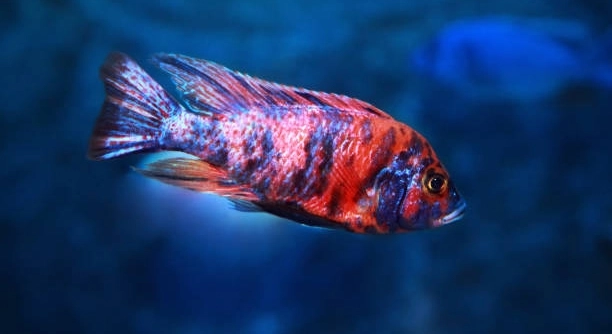
Have you ever watched your African cichlids swim around and wondered if they’re doing more than just exploring their tank?
African cichlids mark space through a range of territorial behaviors including digging, jaw locking, flaring fins, chasing, and even changing colors. These actions help them establish dominance, secure breeding grounds, and define their personal space.
Each behavior tells a story about survival, social order, and environmental comfort inside the aquarium.
Digging to Claim Territory
African cichlids often dig into the substrate to establish boundaries and signal ownership of specific tank areas. This behavior is especially common among males during breeding periods. By shifting gravel or sand, they shape a space that’s both functional and symbolic—making it clear to other fish that the area is occupied. Some cichlids will dig to create spawning pits, while others simply want a resting spot that feels secure. You might notice this behavior happening more often near rocks or plants. These dug-out areas offer shelter and become familiar zones they can retreat to. If you see substrate constantly moved or mounded up in corners, it’s a good sign your cichlid is marking space and reinforcing its territory. Make sure the tank layout gives them enough space to act naturally without excessive stress.
Digging isn’t random—it’s a purposeful act to create a safe, defined area within the tank.
When the tank has multiple males or limited hiding spots, digging tends to increase. It’s their way of carving out control in a shared space. Consistent digging might mean your cichlids need more structure or visual barriers to feel secure. Adding rocks or caves can reduce tension.
Color Changes Signal Ownership
Cichlids can change colors to show dominance or ownership of space. These changes are often most intense during breeding or after territory disputes.
Color displays are one of the clearest signs of space-marking among African cichlids. When a male claims an area, his colors often become brighter or more vivid. This bold appearance sends a message—he’s in control, and intruders should stay away. Submissive fish may show duller shades, avoiding confrontation. Color changes can also be temporary, fading as disputes settle or tank dynamics shift. In community tanks, you’ll likely see more color variation during feeding, after rearranging décor, or when new fish are introduced. It’s not just about beauty—these displays are a form of communication and status. To reduce stress, keep a stable environment and avoid overstocking. Watch closely and you’ll learn which fish feels in charge just by the way it glows.
Jaw Locking as a Power Move
Jaw locking is a physical display of dominance used to challenge rivals and defend space. It often occurs between males and is usually brief but intense. This behavior can look aggressive, but it’s also a way to avoid more serious fights.
When two cichlids lock jaws, they push against each other in a test of strength. It’s not meant to injure, but to determine who’s stronger or more dominant. The winner usually gains control over a specific area, while the loser retreats. This behavior is common when new fish are introduced or when territory lines are unclear. It’s a natural part of their social structure and tends to settle quickly. You might notice one fish returning to a specific area more confidently after a jaw lock—it likely claimed that space. These brief encounters keep order in the tank without causing lasting harm.
It’s best to monitor jaw locking but avoid interfering unless it becomes frequent or leads to visible injuries. Provide enough hiding spaces, rocks, or caves to give each cichlid a place to claim. Rearranging the tank layout can also reduce tension by removing established boundaries. In a well-balanced tank, jaw locking usually stops once a hierarchy forms and space is respected.
Chasing Away Intruders
Chasing is a territorial act used to protect claimed space. It usually targets fish that get too close to a preferred area. Most chasing is short, controlled, and ends once the “intruder” moves away.
This behavior is very common in tanks with dominant males. A cichlid will often patrol the same area and quickly chase off others that enter it. It’s not meant to be harmful but serves as a warning. If the other fish backs off, things usually calm down quickly. However, in crowded or poorly arranged tanks, chasing can become stressful and constant. You might notice certain areas that others avoid completely—that means the space has been clearly claimed. Watching this behavior helps you understand the social map of your tank. Ensuring each cichlid has space and visual barriers helps reduce repeated chasing and keeps aggression levels in check.
Flaring Fins to Intimidate
Flaring fins is a visual warning used to claim territory and show strength. It makes the fish appear larger and more threatening. This display helps avoid physical fights by sending a clear message to stay away.
You’ll often see this near rocks or caves where a cichlid feels most secure. The fish flares its fins when another gets too close, especially during feeding or breeding periods.
Hovering in a Claimed Spot
Some cichlids hover in one area for long periods to mark it as their own. This quiet act signals ownership without aggression. The fish stays alert, chasing off others only when they come too close or linger.
This behavior is common when a cichlid has already established dominance and doesn’t feel the need to display or fight. You may see this near dug-out areas or protected corners of the tank. The hovering fish will stay still, facing outward, always ready to defend its space. It’s a subtle but effective way to show control, especially in a tank where the social order is already in place.
Guarding Nesting Sites
Guarding a nesting site is one of the clearest ways African cichlids mark space. They stay close, chase others away, and often clean the area regularly. This behavior becomes more intense during breeding times.
FAQ
Why do African cichlids become more aggressive during breeding?
Aggression increases during breeding because cichlids are trying to protect their nesting sites and ensure the safety of their eggs or fry. This behavior is natural and helps them guard their territory from intruders. Males become more dominant, chase others away, and may even flare fins or lock jaws more often. Females may also become territorial, especially if they’re mouthbrooders. You’ll notice cichlids guarding a specific spot, digging, or hovering close to where eggs are hidden. These signs show the fish is in breeding mode and defending its space more actively than usual.
Can African cichlids share territory?
In most cases, African cichlids prefer to have their own space. However, some species are less aggressive and can tolerate shared areas if the tank is large enough and well-structured. Visual barriers like rocks or plants can help reduce tension and allow fish to form smaller territories within the tank. While dominant cichlids usually claim the prime spots, subdominant fish can often find areas to occupy peacefully. That said, overcrowding or poor tank design can lead to constant disputes, so it’s important to give them enough room to spread out and feel secure.
What does it mean if a cichlid is hiding more often?
Frequent hiding can be a sign of stress, submission, or illness. In a territorial tank, lower-ranking cichlids often retreat to stay out of the way of dominant fish. It’s also possible the fish is adjusting to a new environment or has been chased repeatedly. Look for other signs like fin damage or loss of color. If hiding is paired with refusal to eat or inactivity, something might be wrong. But if the fish is simply staying near its preferred spot and moving around at feeding times, it may just be keeping a low profile in a social hierarchy.
Do female African cichlids mark space too?
Yes, females can also mark territory, especially when they’re breeding or carrying eggs. While males are more often the dominant space-claimers, females will guard areas if they’re preparing to spawn or already mouthbrooding. They may dig, hover, or chase others away from their chosen spot. Their territorial behavior is usually less intense than that of the males but still noticeable. If your tank has a balanced ratio of males to females and enough space, you’ll see females defending certain areas quietly, particularly around flat rocks or sheltered corners.
How can I tell if two cichlids are fighting or just displaying?
Displays like fin flaring or short bursts of chasing are normal and often used to establish space. True fighting involves repeated attacks, biting, or visible damage like torn fins. If you notice fish locking jaws, circling each other, or flaring repeatedly without making contact, it’s likely just a warning. However, if one fish is constantly targeted and can’t escape, or if aggression continues even during feeding, that’s a concern. Monitoring body language and the frequency of interactions helps you spot the difference and take action if needed.
What should I do if one cichlid is taking over the tank?
If one fish is becoming overly dominant, rearrange the tank layout to reset territories. Adding more rocks, caves, or plants helps break line of sight and gives other fish hiding options. You can also introduce new décor all at once to confuse territorial lines. If that doesn’t help, consider moving the dominant fish to a temporary tank or separating it permanently. In some cases, adding more fish of the same species can spread aggression more evenly. Just be sure to monitor closely and adjust the setup based on how the tank community reacts.
Can tank size affect territorial behavior?
Absolutely. A small tank increases tension because there isn’t enough space for each fish to claim a comfortable area. African cichlids need room to establish boundaries. A crowded tank encourages more chasing, stress, and sometimes injury. Larger tanks allow for a better distribution of territories and reduce the likelihood of constant conflict. Ideally, use tanks that are at least 55 gallons for active or aggressive species. Make sure the tank has varied terrain, such as rocks, caves, and plants, to encourage natural behaviors and lower stress levels.
Do African cichlids recognize their own territory over time?
Yes, cichlids remember and return to their claimed areas regularly. Once they’ve marked space—through digging, guarding, or chasing—they will revisit and defend it. Even after tank rearrangements, some fish may try to return to their previous spots. This behavior shows how strong their territorial instincts are. Over time, you’ll notice individual fish consistently hovering in the same areas or reacting faster when another fish enters that zone. Observing this behavior helps you understand which parts of the tank are most valued and how social dynamics are developing.
Final Thoughts
African cichlids are fascinating fish with strong territorial instincts. Watching how they mark space gives you a better understanding of their behavior and needs. They use body language, physical displays, and location-based actions to communicate what areas belong to them. These behaviors aren’t just random or aggressive—they’re part of how these fish stay organized and maintain balance in the tank. By observing their movements and reactions, you can learn a lot about which fish are dominant, which ones are more submissive, and how they manage their space over time.
Maintaining a peaceful tank comes down to space, structure, and balance. A tank with enough hiding spots, caves, rocks, and broken sightlines allows each cichlid to feel secure in its own area. When fish feel they have space to call their own, they’re less likely to fight or stress each other. Simple changes like rearranging decor, adding more territory markers, or even spreading out feeding zones can reduce tension. Creating the right environment not only lowers aggression but also supports natural behaviors like nesting, guarding, and social displays.
Understanding how cichlids mark territory helps you make better choices for their care. It can guide how you set up the tank, how many fish you add, and even how often you clean or change their space. These fish thrive when they feel safe and in control of their surroundings. Watching their behavior, rather than reacting only when things go wrong, gives you a more complete picture of what’s really happening in the tank. When you create a stable environment that respects their instincts, your cichlids stay healthier, more active, and more colorful. Keeping things simple and consistent helps both the fish and the person caring for them.

Hello,
If you enjoy the content that we create, please consider saying a "Thank You!" by leaving a tip.
Every little bit helps us continue crafting quality advice that supports the health, happiness, and well-being of pets around the world, for pets of all shapes, sizes, and species.
We really appreciate the kindness and support that you show us!