
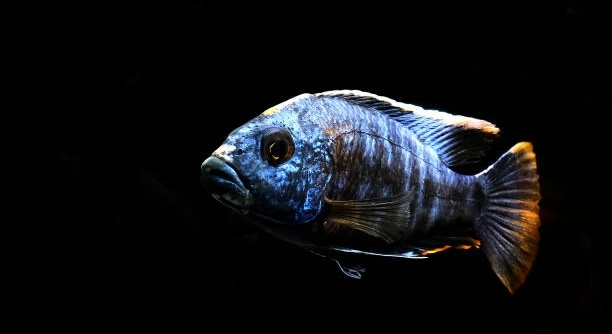
Cichlids are popular aquarium fish known for their vibrant colors and interesting behaviors. Many owners wonder how their fish rest and whether lighting affects their sleep patterns. Understanding cichlid sleep can improve their care and well-being.
Cichlids do sleep with lights on, but their rest is less restful compared to darkness. Light disrupts their natural sleep cycle by affecting melatonin production, which plays a key role in regulating rest and activity patterns.
Knowing how light impacts cichlid sleep helps maintain a healthy environment for these fish. This information is essential for ensuring they thrive in home aquariums.
How Cichlids Sleep in the Wild
In their natural habitats, cichlids experience a clear day-night cycle that influences their behavior. They usually become less active as daylight fades, finding shelter among rocks or plants to rest safely. Darkness signals their bodies to produce melatonin, which helps regulate sleep and wakefulness. This natural rhythm is important for their health and energy balance. When resting, cichlids reduce movement but remain alert to potential threats. Their sleep is not like mammal sleep, but a period of inactivity essential for recovery and survival. Environmental factors, such as water temperature and predator presence, also affect how and when they rest. Providing a similar environment in an aquarium helps support their natural behavior and overall well-being.
Cichlids rely on environmental cues to time their rest periods. Darkness plays a key role in this process.
Recreating natural light cycles in captivity promotes healthier sleep patterns. This involves mimicking dawn and dusk with gradual lighting changes and allowing complete darkness at night. Sudden or constant light can confuse their internal clocks and cause stress. Ensuring hiding spots helps them feel secure during rest. These steps support better activity balance, leading to healthier and less stressed fish. Proper sleep conditions also improve their immune response and coloration. Small adjustments in lighting and habitat setup can make a big difference for cichlid health in home aquariums.
Effects of Keeping Lights On Overnight
Keeping aquarium lights on overnight can interfere with cichlid sleep and behavior. Continuous lighting prevents melatonin production, which disrupts their ability to rest properly. Over time, this may lead to increased stress, weaker immune function, and decreased appetite. Cichlids might appear more restless or hide less, indicating discomfort or altered natural behavior. While some species tolerate low light better, most need a dark period to reset their internal clocks.
Consistent darkness helps maintain natural rhythms essential for cichlid health.
In an aquarium, the absence of a dark period can lead to chronic stress, which affects fish longevity and vitality. Fish deprived of proper rest may develop behavioral problems like aggression or lethargy. Stress weakens their immune systems, making them vulnerable to diseases and infections. Moreover, inadequate rest can reduce growth rates and dull their vibrant colors. Careful management of light exposure, including timers for lights, ensures that cichlids get an appropriate night cycle. Balancing light and darkness promotes natural feeding and breeding behaviors, improving overall aquarium harmony. Thus, turning off the lights at night is crucial for keeping cichlids healthy and happy.
Lighting and Stress in Cichlids
Bright or constant lighting can cause stress in cichlids by disrupting their natural day-night rhythm. Stress affects their behavior, immune system, and overall health.
Stress from improper lighting often results in increased hiding, aggression, or lethargy. Continuous light prevents normal melatonin release, which regulates their stress response. Over time, this leads to weakened immune defenses, making cichlids more susceptible to illness. Stress can also affect their appetite and reduce breeding success. Creating a balanced light schedule with periods of darkness helps minimize stress. This allows fish to maintain natural behaviors and promotes a healthier aquarium environment.
Aquariums without proper dark periods may cause cichlids to lose their natural color vibrancy. Stress influences both physical appearance and mood. A healthy light cycle is essential to reduce negative effects and support long-term wellbeing.
Best Lighting Practices for Cichlid Tanks
Using timers to control aquarium lighting ensures a consistent light-dark cycle, mimicking natural conditions. This supports better rest and reduces stress.
Aim for about 8 to 12 hours of light per day depending on the species. Gradually dimming lights in the morning and evening helps simulate sunrise and sunset. Avoid bright, direct lighting overnight. Providing shaded areas or decorations also allows cichlids to escape light when needed. This creates a comfortable environment where they can rest and feel secure. Proper lighting supports feeding, breeding, and overall activity patterns, contributing to healthier fish.
Adjusting light intensity and duration based on observation can improve cichlid behavior and health. Every tank setup is unique, so small changes may be necessary to find the ideal balance for your fish.
Can Cichlids Adapt to Lights Being On?
Cichlids can adapt somewhat to lights being on constantly, but this adaptation is often stressful and not ideal for their health. Their natural rhythms rely on light changes.
Prolonged exposure to light can cause irregular sleep patterns and increased stress. While some fish may appear to adjust, their long-term well-being may suffer.
Signs of Poor Sleep in Cichlids
Poor sleep can cause lethargy, loss of appetite, and dull coloration in cichlids. These signs indicate they are not resting properly.
How to Improve Sleep Conditions
Reducing light exposure at night and adding hiding spots improves cichlids’ sleep quality. Darkness signals rest and safety.
Alternative Light Sources
Using dim, red, or blue lights at night allows observation without disturbing cichlid rest. These colors have less impact on their sleep cycle.
How long do cichlids sleep?
Cichlids do not sleep like humans, but they do enter periods of rest that can last several hours. Usually, they rest during the night when it is dark. Their rest times vary depending on species, environment, and tank conditions. In natural settings, they follow a day-night cycle, resting mainly at night.
Can cichlids sleep with aquarium lights on?
Cichlids can rest with aquarium lights on, but their sleep is not as deep or effective. Constant lighting disrupts their natural melatonin production, which controls sleep cycles. This can lead to restless behavior and stress over time, so turning off lights at night is important for proper rest.
Is it harmful to keep lights on overnight for cichlids?
Yes, keeping lights on overnight can harm cichlids by causing stress and disrupting their natural rhythms. Prolonged light exposure affects immune function and behavior. It may also reduce their appetite and color vibrancy. Providing a dark period helps maintain health and natural activity patterns.
What kind of lighting is best for cichlid tanks?
Natural daylight spectrum lighting with timers is best for cichlid tanks. This mimics the environment they are used to and supports normal behaviors. Using dimmers to simulate dawn and dusk helps them adjust. Avoid very bright or constant light to reduce stress and improve sleep quality.
Can cichlids sleep in dim light?
Yes, cichlids can rest in dim light better than bright light. Dim lighting is less disruptive to their melatonin cycle and allows partial rest. However, complete darkness is still ideal to promote the best sleep and reduce stress.
Do cichlids need a dark period every day?
Yes, cichlids need a consistent dark period daily to maintain their biological clock. Darkness signals their bodies to rest and produce melatonin. Without a dark period, their activity and feeding patterns become irregular, which can lead to health problems.
How can I tell if my cichlids are stressed from lighting?
Signs of lighting-related stress include excessive hiding, aggression, loss of color, and reduced appetite. Fish may also show erratic swimming or lethargy. If you notice these behaviors, adjusting the lighting schedule or adding shaded areas can help.
Is it okay to use night lights in a cichlid tank?
Night lights that emit low-intensity red or blue light can be used without greatly disturbing cichlid rest. These colors have less impact on melatonin production compared to white light. Night lighting helps observe fish at night while allowing them to rest.
Can changing lighting improve cichlid breeding?
Proper lighting with clear light-dark cycles supports cichlid breeding by regulating hormonal cycles. Sudden changes or constant light may inhibit spawning. Gradual lighting changes and adequate darkness encourage natural breeding behavior.
What should I do if my tank has no natural light?
If your tank has no natural light, use full-spectrum aquarium lights with timers to simulate day and night. Adjust the light duration to around 10-12 hours a day with gradual on/off periods. Provide hiding spots for rest and security.
How does light affect cichlid coloration?
Light affects cichlid coloration by influencing stress levels and activity. Too much light can bleach colors or cause fading, while proper lighting enhances vibrant hues. Healthy rest cycles help maintain bright, natural coloration.
Can cichlids get used to irregular lighting schedules?
Cichlids may adapt to irregular lighting schedules, but this often causes chronic stress. Their biological clocks rely on consistency. Irregular lighting can lead to poor health, reduced immune function, and abnormal behavior. Consistency is important for their well-being.
What is the best way to set up a lighting schedule?
Use an automatic timer to provide 8-12 hours of light daily. Include gradual sunrise and sunset simulation if possible. Ensure complete darkness during the rest period. Observe your fish and adjust lighting intensity and duration based on their behavior and health.
Are there specific species of cichlids more sensitive to light?
Some cichlid species prefer dimmer, shaded environments and are more sensitive to bright lighting. For example, certain African cichlids from rocky lakes may prefer moderate light, while others from open waters tolerate brighter conditions. Research your species for ideal lighting.
How important is tank decoration for cichlid sleep?
Tank decorations like rocks, plants, and caves provide shelter and shaded areas that help cichlids feel secure during rest. These hiding spots reduce stress and improve sleep quality by mimicking natural habitats where they can avoid predators.
What happens if cichlids do not get enough rest?
Lack of rest leads to stress, weakened immune response, poor growth, and dull coloration. Fish may become more aggressive or lethargic. Long-term sleep deprivation can result in chronic health issues and reduced lifespan.
Can I leave a light on if I have live plants in the tank?
Live plants do require light for photosynthesis, but you can balance plant needs with fish rest by using timers. Provide enough light for plants during the day and turn off the light at night to allow fish to rest. Supplemental plant lights can help if needed.
How does temperature interact with lighting for cichlid sleep?
Temperature affects fish metabolism and activity. Cooler temperatures at night combined with darkness encourage rest. Stable temperature and proper lighting together support healthy sleep cycles. Avoid sudden temperature changes during dark periods.
Is it normal for cichlids to be active at night with lights on?
Yes, cichlids may remain more active at night if the lights are on because their natural cues for rest are disrupted. This increased activity is usually a sign of stress or confusion and may indicate a need to adjust lighting.
Can I use moonlight simulation in a cichlid tank?
Moonlight simulation with very low-intensity blue or red light is acceptable and minimally disruptive. It allows some night-time observation without greatly affecting melatonin production or rest patterns. Avoid bright or white light at night.
Caring for cichlids means paying close attention to their environment, especially how light affects their rest. These fish depend on a clear day-night cycle to regulate their activity and sleep. While they can rest with lights on, it is not as effective as sleeping in darkness. Continuous light can disrupt their natural rhythms, causing stress and weakening their immune systems. Providing a consistent dark period at night allows cichlids to rest properly and stay healthy. This simple adjustment can make a big difference in their overall well-being and longevity.
Maintaining a proper lighting schedule helps replicate the natural conditions cichlids are adapted to in the wild. Using timers to turn aquarium lights on and off creates a stable environment that supports natural behaviors like feeding, breeding, and resting. Including gradual changes in lighting, such as simulating sunrise and sunset, can further reduce stress and promote healthy sleep patterns. It is also important to provide places for cichlids to hide and feel secure during their rest periods. Decorations like plants, rocks, and caves offer shaded areas that help fish relax and avoid constant exposure to light, improving their comfort.
While cichlids can adjust to some variations in lighting, a well-planned light cycle is essential for their long-term health. Constant or overly bright lighting may cause behavioral changes, such as aggression or lethargy, and reduce their natural coloration. Using dim or colored lights for nighttime observation can help minimize disturbances. Ultimately, balancing light and darkness in the aquarium creates a better habitat for cichlids, supporting their natural rhythms and promoting a healthier, more vibrant fish. Paying attention to these details ensures your cichlids live comfortable, less stressful lives.

Hello,
If you enjoy the content that we create, please consider saying a "Thank You!" by leaving a tip.
Every little bit helps us continue crafting quality advice that supports the health, happiness, and well-being of pets around the world, for pets of all shapes, sizes, and species.
We really appreciate the kindness and support that you show us!