
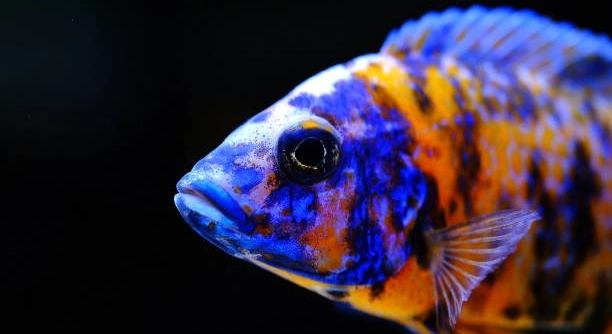
Cichlids are popular freshwater fish known for their vibrant colors and interesting behaviors. Many keepers are fascinated by how these fish remember their surroundings and social interactions. Their memory plays a key role in their survival and daily activities.
Cichlids possess a notable memory capacity that supports complex social behaviors and environmental recognition. Studies show they can remember past experiences, recognize other fish, and adapt their actions based on learned information over extended periods.
Exploring cichlid memory reveals surprising insights about their intelligence and how they interact with their environment. Understanding these facts helps improve care and appreciation of these unique fish.
How Cichlids Use Memory to Recognize Individuals
Cichlids have a strong ability to recognize other fish they have encountered before. This skill is important in their social structure, where they need to distinguish between friends, rivals, and potential mates. They remember faces and behaviors, which helps them avoid unnecessary fights or build alliances. For example, if a cichlid has had a negative encounter with another fish, it will recall that experience and act cautiously next time. This memory ability also plays a role in establishing dominance hierarchies within their groups. Researchers have found that cichlids can remember these social cues for weeks, showing their long-term memory is quite developed. This is a clear sign that their brain works differently than many other fish species, allowing them to live in complex social settings.
Cichlid memory helps maintain order and reduce conflict in their social groups, making interactions smoother and more predictable.
The way cichlids remember individual fish is similar to how some mammals recognize others. They rely on visual cues and past interactions to guide their behavior. This ability to recall faces reduces stress and energy spent on repeated confrontations. It also helps them select compatible mates, which is important for their reproduction. By remembering who is who, cichlids can navigate their social environment efficiently and adapt to changes in group composition. This skill is a major advantage for survival in crowded or competitive habitats.
Memory and Environmental Navigation
Cichlids use their memory to find food and avoid dangers in their environment. They remember specific locations such as hiding spots or feeding areas, which helps them survive in complex habitats. Their ability to recall these places means they spend less time searching and more time resting or caring for their young. Memory also helps them recognize changes in their surroundings, like the arrival of predators or shifts in water conditions. This awareness allows them to respond quickly and increase their chances of survival. Studies show that cichlids perform well in maze-like tests, indicating their strong spatial memory skills.
These memory skills improve their efficiency in finding resources and avoiding threats.
Good memory makes cichlids more adaptable to their environment. They can learn and remember where food is located, even if it moves or changes over time. This means they do not rely solely on instinct but can use past experiences to guide future decisions. Remembering safe places also helps them escape from predators more successfully. In aquariums, this explains why cichlids often return to the same spots or react quickly to feeding times. Their memory is essential for both natural and captive settings, showing how intelligence supports their daily survival and well-being.
Cichlids Can Remember Training Tasks
Cichlids quickly learn to associate signals with food or actions. This shows their memory works well with conditioning. They respond reliably to cues after training, proving their ability to remember simple tasks.
In experiments, cichlids have been trained to press levers or swim through mazes for food rewards. They recall these tasks days or even weeks later. This ability reflects their capacity to link events with outcomes, which helps them adapt in their natural environment. Such learning and memory skills make them more successful at finding food and avoiding danger.
This trained behavior demonstrates how cichlids use memory beyond social interactions. Their capacity to remember and perform tasks highlights their intelligence. It also means they can be stimulated in captivity, reducing boredom. Understanding this helps improve care methods and enrich their environment for better well-being.
Long-Term Memory in Cichlids
Cichlids retain important information for long periods, sometimes months. This long-term memory supports survival and social interactions, as they remember individuals, places, and learned tasks.
The strength of their long-term memory is evident in how they navigate complex territories and maintain social bonds. Unlike many fish, cichlids do not rely solely on instinct. They remember experiences and adjust their behavior accordingly. This memory ability contributes to their adaptability in changing environments. It also allows them to build trust and familiarity with tank mates or nearby fish in the wild.
Having long-term memory means cichlids can benefit from repeated experiences. This ability improves their chances of survival and reproduction, as they avoid threats and recognize helpful individuals. It also suggests a higher level of cognitive function than usually expected from fish.
Cichlids Remember Aggressors
Cichlids quickly learn to identify fish that have been aggressive toward them. They avoid these individuals in future encounters to reduce conflict.
This memory helps cichlids maintain safer social environments by steering clear of past threats. It lowers the chance of injury and stress.
Memory Affects Cichlid Breeding Behavior
Cichlids use memory to recognize mates and offspring, which strengthens their breeding success. They remember partners’ unique signals and respond accordingly, supporting better coordination during reproduction. Parents recall their young’s location and protect them carefully. This memory reduces confusion and increases offspring survival in complex habitats.
Memory and Stress Responses
Cichlids’ memory influences how they react to stressful situations, such as predator presence or changes in environment. Remembering past threats helps them respond more effectively.
FAQ
How long can cichlids remember things?
Cichlids can remember important information for several weeks to months. Studies show they retain memories of social interactions, food locations, and training tasks well beyond short-term periods. This long-term memory helps them adapt and survive in changing environments.
Can cichlids recognize individual fish?
Yes, cichlids are able to recognize individual fish they have encountered before. This ability helps them distinguish between allies, rivals, and mates. Recognizing others reduces unnecessary aggression and helps maintain social order within groups.
Do cichlids remember feeding times?
Cichlids quickly learn and remember feeding schedules. They associate certain signals or times with food delivery. This memory helps them anticipate feeding and reduces stress during mealtime, especially in aquarium settings.
Are cichlids capable of learning through conditioning?
Yes, cichlids can learn through conditioning. They can associate actions or cues with rewards, such as pressing levers or swimming through mazes to get food. This ability highlights their cognitive flexibility and capacity for learning.
How does memory impact cichlid breeding behavior?
Memory plays an important role in breeding. Cichlids remember mates and offspring, allowing them to coordinate better during reproduction and protect their young effectively. This memory enhances breeding success and offspring survival.
Do cichlids forget threats or aggressors quickly?
Cichlids tend to remember aggressive individuals for a significant time. Avoiding past aggressors helps reduce stress and injury by preventing repeated conflicts within their social groups.
Can cichlids remember their environment?
Yes, cichlids use memory to navigate their environment, remembering safe hiding spots and food sources. This spatial memory increases their efficiency in finding resources and avoiding danger.
Is cichlid memory similar to mammals?
While cichlids’ memory is not as complex as mammals’, it shows many similarities. They recognize individuals, remember locations, and learn from experiences, demonstrating higher cognitive skills than many fish species.
How does memory help cichlids cope with stress?
Remembering past threats allows cichlids to respond more quickly and effectively to stressful situations, such as predator presence or environmental changes. This memory helps lower stress levels and improves their chances of survival.
Can cichlid memory be improved or trained?
Memory in cichlids can be enhanced through regular exposure to training tasks or environmental enrichment. Stimulating activities keep their cognitive functions active, which is especially beneficial in captivity to prevent boredom and promote well-being.
These frequently asked questions show how memory is a vital part of cichlid behavior. Understanding their memory helps provide better care and appreciation for these intelligent fish.
Cichlids are more intelligent than many people expect. Their memory plays a big role in how they live and interact with others. From recognizing other fish to remembering safe places, these skills help cichlids survive in both wild and captive environments. Their ability to learn and recall information shows a level of awareness that is often underestimated in fish. This memory supports their complex social structures and daily routines, making them interesting subjects for study and care.
Understanding cichlid memory can improve how they are kept in aquariums. Knowing they remember feeding times and places means owners can create stable routines that reduce stress. Their ability to recognize individuals means cichlids benefit from consistent groupings rather than frequent changes. Providing mental stimulation through training or environmental enrichment can help keep their memory sharp and prevent boredom. This knowledge helps ensure cichlids live healthier and happier lives, reflecting their natural behaviors.
Overall, memory is a vital part of cichlid life. It influences how they respond to threats, find food, and breed successfully. Recognizing this helps us appreciate their intelligence and complexity. It also guides better care practices, both in captivity and conservation efforts. Paying attention to their memory needs allows us to support their well-being more effectively, making cichlids fascinating and rewarding fish to observe and care for.

Hello,
If you enjoy the content that we create, please consider saying a "Thank You!" by leaving a tip.
Every little bit helps us continue crafting quality advice that supports the health, happiness, and well-being of pets around the world, for pets of all shapes, sizes, and species.
We really appreciate the kindness and support that you show us!