
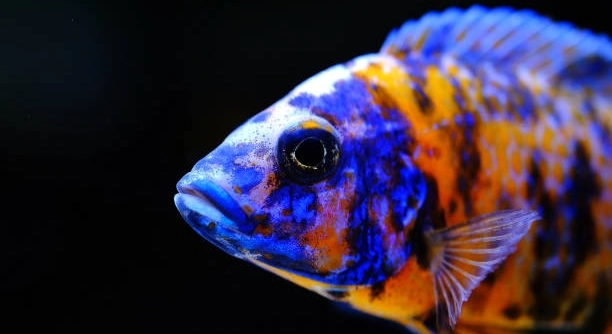
Have you ever stood near your fish tank talking, only to wonder if your cichlids can actually hear you? These colorful fish seem aware of everything around them, including your presence and voice.
Cichlids can detect sound vibrations through both their inner ears and a specialized structure called the lateral line. While they may not understand speech, they are capable of sensing noise and reacting to nearby voices or movements.
Their ability to respond to sound can affect their behavior, stress levels, and interactions within the tank environment.
How Cichlids Hear Sound
Cichlids detect sound in two main ways—through their inner ears and the lateral line system. The inner ears allow them to sense pressure changes in the water, while the lateral line helps detect nearby vibrations and movements. These systems work together to help cichlids stay aware of their surroundings, especially in noisy or busy environments like home aquariums. Although they don’t have external ears like mammals, cichlids are sensitive to low-frequency sounds, including those created by talking near the tank. Sudden loud noises or constant disturbances may cause them stress, leading to changes in their swimming patterns or hiding behavior. They are particularly responsive to vibrations that travel through the tank stand or water. Talking softly nearby likely won’t harm them, but frequent loud sounds or tapping can make them uneasy. Understanding how sound reaches your fish helps you maintain a calm, safe space for them to thrive.
Cichlids may not “hear” you the way humans do, but they can sense the presence of voices and vibrations nearby.
Observing how they react to different sounds can help you understand their stress levels and adjust your behavior to keep them relaxed. Keeping their environment quiet and consistent encourages healthier activity and social behavior.
How Sound Affects Tank Life
Noise outside the tank can influence how cichlids behave, especially if it’s constant or sudden. These disturbances might cause them to hide more, eat less, or become aggressive with tankmates.
Home environments can be unpredictable, with voices, footsteps, and household electronics creating background noise that travels into the tank. While fish are naturally exposed to various sounds in the wild, aquariums offer less space to escape or buffer these disturbances. The material and placement of the tank can also amplify vibrations. For example, a tank resting on a hollow wooden stand may transmit more vibrations than one on a solid surface. Consistent background noise like a TV may eventually be tolerated, but sudden loud bursts—like slamming doors or loud shouting—can lead to stress over time. Prolonged exposure to such disturbances may weaken their immune response, making them more prone to illness. You can help your cichlids by minimizing loud activity near the tank, choosing a quieter location for setup, and avoiding tapping on the glass.
Helping Your Cichlids Feel Safe
Soft voices and calm surroundings can help reduce stress in your cichlids. Avoid sudden noises, tapping the glass, or playing loud music near the tank. These actions may seem small but can disturb your fish more than you realize.
You don’t need complete silence, but consistency helps. Cichlids respond better when their environment stays predictable. Try keeping their tank in a low-traffic area of your home where there’s less activity and fewer chances of loud noises. If your tank is near a TV or speaker, lower the volume or position the sound system away from the tank. Watch for signs of stress—like hiding, clamped fins, or aggressive chasing—and make changes as needed. Soft lighting, stable temperatures, and regular feeding also play a role in helping them feel safe. Calm surroundings support better behavior, stronger immune systems, and healthier interactions between the fish.
Your behavior outside the tank can impact how your cichlids feel inside it. Even something as simple as walking heavily past the tank or moving quickly can startle them. Kids running by, pets tapping at the glass, or slamming a nearby door can all cause a reaction. Make small adjustments to reduce these triggers where possible.
Creating a Better Tank Setup
A stable tank setup can limit how much outside noise affects your fish. Avoid placing tanks on hollow stands or against shared walls where vibrations travel easily. Use soft padding under the tank to absorb movement and sound.
Thick glass and acrylic tanks reduce vibration transfer better than thinner ones. Adding plants, caves, and decorations gives cichlids places to retreat when startled. These features help them feel secure and cut down on stress from external activity. Choose a quiet room or corner for your tank setup. Avoid high-traffic areas like kitchens, entryways, or near laundry machines. If you live in a busy household, setting up near a wall that doesn’t face open areas will help reduce sound exposure. Even carpeting under a tank stand can help dampen footsteps. These changes may seem small, but they make a difference. A calmer space gives your cichlids a better chance to thrive.
Signs Your Cichlids Are Bothered by Sound
Cichlids that are stressed from noise may hide more often, swim erratically, or show faded colors. These behaviors can appear suddenly after loud talking, music, or household activity near the tank.
Aggression between tankmates can also increase when cichlids feel unsettled. If noise levels stay high, they may become less social and more territorial.
How to Quiet the Space Around the Tank
Use rugs, curtains, or soft furniture to help reduce echoes and vibrations near the tank. Placing felt pads under furniture and adding insulation under the tank stand can also help. If possible, close doors to reduce sound from other rooms. Keep loud electronics away from the tank setup. Some people find success using sound-absorbing panels or thick fabric on the walls near the aquarium. Consistency is just as important as quiet—routine sounds are less likely to disturb fish than sudden, unpredictable ones. These adjustments help create a calm, steady space that supports your cichlids’ health.
Other Tank Mates Matter Too
Noisy behavior or chasing from tankmates can also stress your cichlids. Choose peaceful species and avoid overcrowding to help keep them calm.
FAQ
Can cichlids hear human voices?
Cichlids cannot “hear” voices in the way humans do, but they can detect vibrations created by speech. Their inner ear and lateral line system allow them to sense low-frequency sound waves and pressure changes in the water. Talking loudly near the tank may cause stress, especially if it happens suddenly. Normal conversation at a distance usually won’t bother them much, but yelling or speaking too close to the tank might cause them to react. It’s best to keep your voice at a soft, steady level if you’re near the aquarium for long periods.
Does tapping on the glass scare cichlids?
Yes, tapping on the glass can startle or stress your cichlids. The sound creates sharp vibrations that travel directly through the water, and your fish may respond by hiding, darting away, or even displaying aggression. While a single tap might not cause long-term harm, repeated tapping can make them feel unsafe. Children and visitors should be reminded not to tap the glass. Instead of tapping to get your cichlids’ attention, use gentle movements or feed them consistently at the same time each day to encourage them to come to the front of the tank.
How do I know if noise is stressing my cichlids?
Watch for signs like sudden hiding, faded colors, clamped fins, or loss of appetite. These are common signs of stress in fish. If your cichlids are acting differently after a loud event—such as a party, loud TV session, or argument—it’s likely that sound played a part. You may also notice increased aggression or chasing behavior when they’re feeling unsettled. If these changes occur, try moving the tank to a quieter location or reducing nearby activity. Regular observation will help you spot stress early and make changes before it affects their health.
Can cichlids adapt to regular household noise?
Cichlids can adapt to certain background noises, especially if they occur regularly and aren’t too loud. Sounds like a TV on low volume or light conversation can become part of their normal surroundings over time. However, unpredictable noise—such as shouting, stomping, or door slamming—can still startle them, even after they’ve been in the home for a while. Consistency matters. Sudden changes in noise level are more disturbing than a steady environment, even if it’s not completely quiet. The goal is to keep their surroundings as calm and stable as possible.
Does tank size affect how much noise fish hear?
Yes, tank size and setup can influence how much sound reaches your fish. Smaller tanks may amplify sound and vibrations more than larger ones, especially if placed on unstable stands. The material under and around the tank also matters—carpet, padding, or foam under the stand can absorb vibrations. Heavier, thicker tanks usually reduce the impact of outside noise. If you’re noticing a lot of stress behaviors, check whether your tank’s placement and construction might be making sound more intense for your fish. A few adjustments can make their environment feel more secure.
Should I play music near my cichlid tank?
Soft, low-volume music is generally fine as long as it’s not too close or too loud. Sudden changes in volume, deep bass tones, or loud speakers pressed against the tank can cause stress. Every fish reacts differently, but cichlids are especially sensitive to vibration. If you notice hiding or strange behavior when music plays, lower the volume or move the speakers farther from the tank. Background music played at a moderate level in another part of the room usually isn’t a problem, especially if your fish are used to household activity.
How can I soundproof the area around my aquarium?
Start by placing the tank in a low-traffic, quiet area of your home. Use carpet, rugs, or foam under the tank stand to absorb floor vibrations. Curtains, padded furniture, or wall panels can help reduce echoes. Avoid placing the tank against shared walls or near heavy electronics. If needed, sound-absorbing mats or acoustic panels can be added behind or beside the tank. These steps don’t need to be expensive—small changes like moving furniture or using a thicker rug can help. Creating a softer environment helps reduce noise exposure and stress in your cichlids.
Can cichlids become less active if they’re stressed by noise?
Yes, stress from noise can lead to less activity. Cichlids may stop swimming around as much, hide in corners, or retreat into tank decorations. Over time, chronic noise stress may also weaken their immune systems, making them more vulnerable to disease. If you notice a change in their usual behavior patterns—such as eating less or avoiding certain areas of the tank—it may be time to evaluate the noise levels in the room. Reducing unnecessary sound and keeping a consistent routine can help your fish become more active again.
Final Thoughts
Cichlids are sensitive fish that respond to what happens outside their tank, including the sounds and vibrations around them. While they don’t understand human voices the way we do, they can sense noise through their bodies and react to it. Loud talking, sudden movements, or tapping on the glass can all cause stress, even if done unintentionally. Stress may lead to changes in their behavior such as hiding, aggression, or reduced appetite. These responses are the fish’s way of protecting themselves, and over time, too much stress can impact their health. Paying attention to how your cichlids behave after loud sounds or activity can help you create a calmer space for them.
You don’t need to keep the house completely silent, but it helps to reduce sharp, sudden noises near the tank. Keeping your voice soft when close to the aquarium, avoiding loud music or TV nearby, and not tapping the glass all make a difference. The location of the tank also matters. Try to place it in a room that doesn’t have constant movement or loud activity. Even using rugs, curtains, or soft furniture can help absorb sound and create a quieter environment. A steady and predictable space makes your fish feel more secure, which leads to better overall behavior and health.
Caring for cichlids means looking after both their water conditions and their surroundings. Sound may seem like a small detail, but it plays a big role in how your fish feel each day. By understanding how they sense noise and how it affects them, you can make small changes that help them stay calm and active. Watching your cichlids interact, swim freely, and show bright colors is a sign they are comfortable. A quiet, consistent space encourages them to thrive. You don’t need fancy tools—just a bit of awareness and care. These fish are alert, social, and full of personality when they feel safe. Creating the right environment outside the tank is just as important as maintaining the one inside.

Hello,
If you enjoy the content that we create, please consider saying a "Thank You!" by leaving a tip.
Every little bit helps us continue crafting quality advice that supports the health, happiness, and well-being of pets around the world, for pets of all shapes, sizes, and species.
We really appreciate the kindness and support that you show us!