
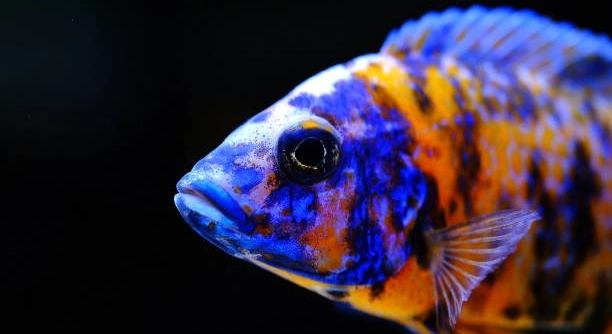
Have you ever noticed the bright colors and unique shapes of African cichlids? These fish are popular in aquariums because of their beauty and interesting behavior. Their ability to recognize patterns plays a role in how they interact with their environment.
African cichlids do recognize patterns, which helps them in social interactions, territory defense, and mate selection. Their visual system is adapted to distinguish shapes and colors, allowing them to identify other fish and environmental cues efficiently.
Understanding how these fish perceive their surroundings sheds light on their complex behavior and helps improve aquarium care and conservation efforts.
How African Cichlids Use Patterns in Their Environment
African cichlids live in lakes where many fish share similar shapes and colors. To survive, these fish must quickly recognize who is a threat, who is a mate, and who belongs to their group. Their ability to see patterns helps with this. They notice specific markings and colors on other fish that tell them about social status or readiness to breed. This skill is essential for protecting their territory and avoiding fights. It also helps them find food by distinguishing safe spots from dangerous ones. These pattern recognition abilities are built into their vision and brain functions, allowing them to react fast and appropriately to what they see. This makes cichlids not just beautiful but smart when it comes to interpreting their surroundings.
African cichlids rely heavily on pattern recognition to interact and stay safe in their habitat.
Being able to spot differences in colors and shapes gives these fish an advantage. It reduces unnecessary conflicts and helps them choose the right mates. These skills also play a role in how they organize themselves in groups, keeping their social order stable. When fish recognize specific patterns, they can avoid dangerous rivals and focus on protecting their young or finding food. This makes pattern recognition a key part of their daily life, influencing how they behave and survive in crowded and competitive environments.
Visual Learning and Memory in African Cichlids
African cichlids show signs of visual learning by remembering patterns they have seen before.
Research shows these fish can recall the appearance of other fish or objects, helping them respond better in future encounters. For example, if a cichlid sees a particular pattern linked to danger, it will remember and avoid it later. This memory is useful for recognizing familiar mates and rivals, making social interactions smoother. Their brains process and store visual information efficiently, supporting complex behaviors like hunting and breeding. Studies also suggest cichlids can adapt their recognition skills based on new experiences, showing a level of learning and flexibility uncommon in many fish. This ability to remember and learn from patterns improves their chances of survival in changing environments, making them more resilient and aware.
Pattern Recognition in Social Behavior
African cichlids use patterns to identify individuals in their social groups. This recognition helps them maintain social hierarchies and avoid conflicts.
Fish with distinct markings are easier to recognize, which helps cichlids remember who is dominant or submissive. This reduces fights and supports group stability. They also use patterns to recognize mates, which improves breeding success. These visual cues are important during territorial disputes as well. A cichlid can decide whether to fight or back down based on the opponent’s patterns, avoiding unnecessary energy loss. Overall, pattern recognition is a key factor in their social lives.
Recognizing social patterns helps African cichlids maintain order and avoid constant fighting. It strengthens bonds and keeps their groups functioning smoothly.
The Role of Environment in Pattern Recognition
The environment plays a significant role in how cichlids perceive patterns. Clear water and lighting affect visibility, making patterns more or less noticeable.
In their natural habitat, bright sunlight helps highlight colors and patterns, improving recognition. In murky water or low light, cichlids may rely more on movement or behavior than color patterns. Environmental changes like pollution or sediment can disrupt pattern visibility, making social interactions harder. Aquarium conditions also influence pattern recognition. Good lighting and clear water help fish identify each other better, reducing stress and aggression. Understanding the environment’s impact is important for keeping cichlids healthy and comfortable both in the wild and in captivity.
Pattern Recognition and Feeding Behavior
African cichlids use patterns to spot food sources quickly. Bright colors and shapes help them identify edible items.
They can distinguish between moving prey and non-food objects by recognizing specific visual cues. This skill improves their hunting success and efficiency.
How Pattern Recognition Affects Breeding
Pattern recognition helps cichlids choose healthy mates by identifying strong and vibrant color patterns. These signals often show fitness and genetic quality. Selecting mates with clear, distinct patterns increases the chances of healthy offspring and successful reproduction. This visual system supports their natural selection process.
Challenges in Pattern Recognition
Changes in water clarity and environment can make it harder for cichlids to recognize patterns accurately. These challenges affect their social and survival behaviors.
FAQ
How do African cichlids recognize patterns?
African cichlids recognize patterns mainly through their keen eyesight. Their eyes are adapted to see colors and shapes clearly, which helps them distinguish different fish and objects in their environment. They pay attention to specific markings, color contrasts, and shapes that signal identity, status, or danger. Their brains process these visual details quickly to make decisions in social interactions, feeding, and mating.
Why is pattern recognition important for African cichlids?
Pattern recognition is vital for cichlids because it helps them avoid fights, find mates, and protect their territory. Recognizing patterns reduces unnecessary aggression by helping fish identify whether another fish is a rival or part of their group. It also plays a role in choosing the healthiest mates by spotting strong, vibrant colors that indicate good genes. This ability supports survival and reproduction.
Can African cichlids learn new patterns?
Yes, African cichlids can learn new patterns. They show visual learning by remembering the appearance of other fish or objects they encounter. This helps them react better to repeated situations, such as recognizing a threatening fish or a familiar mate. Their learning ability makes them adaptable to changes in their environment, which increases their chances of survival.
Do different species of African cichlids recognize patterns differently?
Different species of African cichlids may focus on different types of patterns based on their natural habitat and behavior. Some species rely more on color patterns, while others pay attention to shapes or movement. This variation helps each species survive in its specific environment by tuning their pattern recognition to what matters most for their survival and social interactions.
How does water clarity affect pattern recognition?
Water clarity greatly impacts how well cichlids recognize patterns. Clear water allows colors and shapes to be seen vividly, making recognition easier. In murky or polluted water, visibility drops, and fish may have trouble seeing important details. This can lead to more conflicts, stress, or difficulty finding mates. Maintaining good water quality in aquariums is essential for healthy fish behavior.
Can African cichlids recognize human faces or patterns outside their species?
While their main focus is on recognizing other fish and environmental cues, African cichlids have shown some ability to distinguish patterns outside their species. Studies suggest they can learn to identify shapes or colors associated with food or danger. However, recognizing human faces is unlikely because their vision and brain are specialized for aquatic life and fish interactions.
What happens if cichlids cannot recognize patterns well?
If cichlids fail to recognize important patterns, their social order can break down. They may fight more often, misidentify mates, or fail to avoid predators. This leads to stress and lowers their chances of survival and reproduction. Poor pattern recognition can result from environmental problems like dirty water or inappropriate lighting in aquariums.
Is pattern recognition the same as color vision in cichlids?
Pattern recognition includes color vision but also involves recognizing shapes, movements, and markings. Color vision helps them see different hues and contrasts, while pattern recognition is the ability to put all those visual details together to identify specific fish or objects. Both work together to help cichlids understand their surroundings better.
How do breeders use knowledge of pattern recognition?
Breeders use pattern recognition to select healthy fish with strong color patterns for mating. They understand that bright and clear markings indicate good genes and health. By choosing fish that show distinct patterns, breeders can improve the quality and vitality of future generations. This practice relies on the natural behavior of cichlids to pick mates based on visual cues.
Can environmental changes affect pattern recognition over time?
Yes, long-term environmental changes can affect how cichlids recognize patterns. Changes in water clarity, lighting, or habitat structure can alter the visibility of important visual cues. Over time, this may force cichlids to adapt by relying more on other senses or changing their behavior. Sudden or extreme changes, however, can harm their ability to survive and reproduce effectively.
African cichlids are fascinating fish known for their bright colors and complex behaviors. One of the key abilities that help them thrive in their natural habitats is pattern recognition. This skill allows them to see and understand the different colors, shapes, and markings around them. By recognizing these visual patterns, cichlids can identify other fish, find mates, and protect their territory. Their environment often contains many fish with similar looks, so being able to tell the difference quickly is important for their survival. Without this ability, they would face more conflicts, struggle to find food, and have trouble breeding successfully.
The way cichlids use pattern recognition is closely tied to how their eyes and brain work together. They are built to notice specific details, such as the colors on a rival’s body or the shape of a potential mate. These details send signals that help the fish decide how to react. For example, seeing a certain color pattern might mean the fish is a threat and needs to be chased away, or it could mean a good mate is nearby. Cichlids also learn from experience, which means they can remember important patterns they have seen before. This memory helps them respond better to their surroundings and avoid unnecessary fights or dangers. The environment also plays a big role—clear water and good lighting make it easier for these fish to see patterns and behave naturally.
Understanding how African cichlids recognize patterns can be very useful, especially for people who keep them in aquariums. When conditions mimic their natural habitat, these fish are less stressed and behave more like they would in the wild. Good water quality, proper lighting, and enough space all help cichlids see each other clearly and maintain their social order. This leads to healthier fish and a more peaceful aquarium. In the wild, pattern recognition helps maintain the balance in their communities and supports their survival. Overall, pattern recognition is a vital skill for African cichlids, shaping how they interact with their environment and each other every day.

Hello,
If you enjoy the content that we create, please consider saying a "Thank You!" by leaving a tip.
Every little bit helps us continue crafting quality advice that supports the health, happiness, and well-being of pets around the world, for pets of all shapes, sizes, and species.
We really appreciate the kindness and support that you show us!