
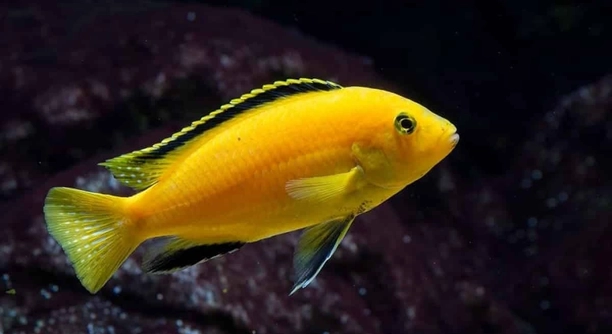
Unexpected cichlid fry can appear in your aquarium without warning. Many fish keepers find themselves unsure how to manage the sudden addition of these tiny fish. Handling fry requires patience and care to ensure their survival and healthy growth.
Cichlid fry need specific conditions to thrive, including proper water quality, adequate food, and safe shelter from adult fish. Managing their environment and feeding habits carefully increases their chances of growing into healthy adult fish.
Knowing how to respond effectively to unexpected fry can help protect your fish population and maintain a balanced aquarium environment. The following tips offer practical ways to handle this common challenge.
Preparing a Separate Fry Tank
Setting up a separate tank for your cichlid fry is one of the best ways to ensure their safety and growth. Adult cichlids can sometimes eat their young, so moving the fry to their own space reduces this risk. The fry tank should have stable water conditions similar to the main tank, with gentle filtration to avoid stressing the tiny fish. Use a sponge filter to keep the water clean without strong currents. Adding some plants or hiding spots gives the fry a place to feel secure. Keep the temperature steady, and perform small water changes regularly to maintain good water quality. Feeding should be frequent with appropriate food such as finely crushed flakes or specialized fry food. Monitoring the tank daily helps catch any problems early, ensuring the fry stay healthy through their early stages.
Separating fry reduces stress and predation, helping them grow safely.
A dedicated fry tank creates a controlled environment where water quality and feeding are easier to manage. It also allows for better observation of the fry’s development, making it easier to spot illnesses or malnutrition. The space should be kept quiet and stable to avoid sudden changes that might harm the fry. By maintaining these conditions, you can increase the survival rate and watch your cichlids develop into strong adults. This extra effort pays off with healthier fish and a more balanced main tank.
Feeding the Fry Properly
Feeding cichlid fry the right food is essential for their growth and health. Young fry need small, frequent meals that are easy to digest. Suitable foods include powdered fry food, crushed flakes, or newly hatched brine shrimp. It’s important to feed in small amounts to avoid overfeeding, which can foul the water quickly. As they grow, gradually introduce larger food pieces to help them transition to adult diets.
Proper feeding supports steady growth and strong immune systems.
Offering a variety of foods helps provide all necessary nutrients for development. Regular feeding times keep fry healthy and active. Pay close attention to how much the fry eat and adjust amounts accordingly. Clean up any leftover food to prevent water quality issues. Feeding well-balanced meals helps fry build energy and resist disease, which is critical during these vulnerable early weeks. Consistency and care in feeding routines make a big difference in the success of raising cichlid fry.
Maintaining Water Quality
Clean water is critical for the survival of cichlid fry. Poor water quality can lead to illness and slow growth. Regular monitoring and maintenance are essential.
Keeping water parameters stable reduces stress and supports healthy development. Frequent small water changes help remove waste without shocking the fry. Use a water test kit to check ammonia, nitrite, and nitrate levels regularly. Avoid strong water currents by using gentle filtration, which keeps the environment calm and safe. Removing uneaten food promptly prevents water contamination. Maintaining optimal temperature and pH according to the cichlid species is also important. These steps ensure a healthy environment where fry can thrive without unnecessary risks.
Pay close attention to water clarity and smell. If the water becomes cloudy or develops an odor, perform immediate water changes. Avoid using harsh chemicals or medications unless necessary, and always follow proper dosing guidelines. The goal is to provide clean, stable water conditions that support fry health and growth throughout their early stages.
Protecting Fry from Aggressive Adults
Adult cichlids can be aggressive, especially during breeding times. Separating fry from adults minimizes harm and increases survival rates.
Aggression among adult cichlids often leads to fry being eaten or injured. Setting up barriers or using a separate fry tank prevents this. If separation isn’t possible, provide plenty of hiding places in the main tank. Plants, rocks, and decorations offer shelter and reduce stress for the fry. Observe the behavior of adult fish closely; sometimes removing overly aggressive individuals is necessary. Reducing stress in the aquarium by avoiding overcrowding also helps lower aggression levels. Protecting fry from harm early on gives them a better chance at growing strong and healthy.
Monitoring Fry Health
Regularly checking your fry for signs of illness helps catch problems early. Look for changes in behavior, color, or swimming patterns. Prompt action can prevent disease spread.
Maintaining a clean tank and providing balanced nutrition supports overall health. If you notice any unusual symptoms, isolate affected fry to protect the rest.
Gradual Introduction to the Main Tank
Once fry reach a safe size, slowly acclimate them to the main tank environment. This reduces stress and helps them adapt. Start by placing the fry tank near the main tank to equalize temperature and water conditions. Gradually mix small amounts of water from the main tank into the fry tank over several days. This process allows the fry to adjust to differences in water chemistry and potential changes in tank inhabitants. Moving them too quickly can cause shock or stress, reducing survival chances.
Using Appropriate Lighting
Lighting should be gentle and consistent. Avoid bright, harsh lights that can stress fry and cause erratic behavior.
How often should I feed cichlid fry?
Cichlid fry need frequent feedings because they grow fast and have small stomachs. Feeding them three to five times a day in small amounts works best. Avoid overfeeding, as leftover food can pollute the water and harm the fry. Stick to foods that are easy to digest, like powdered fry food or newly hatched brine shrimp.
Can I keep fry in the same tank as adult cichlids?
It’s usually not safe to keep fry with adult cichlids. Adult fish often see the fry as food, especially if hiding places are limited. If you cannot separate them, add plenty of plants and decorations to give fry places to hide. However, for better survival rates, a separate fry tank is strongly recommended.
What water parameters are best for raising fry?
Stable water conditions are key. Most cichlid fry do well with temperatures between 75°F and 80°F (24°C to 27°C). Keep pH around neutral (6.5 to 7.5), but this can vary depending on the species. Regularly test for ammonia and nitrites, which should be zero, and nitrates kept low. Frequent small water changes help maintain these parameters.
How long does it take for cichlid fry to grow?
Growth rates depend on the species and conditions. Generally, fry start to resemble adults in 6 to 12 weeks. Proper feeding, clean water, and safe environments speed up growth. Watch for steady size increases and active behavior as signs of healthy development.
Is it necessary to use a sponge filter in the fry tank?
Yes, sponge filters are ideal because they provide gentle filtration without creating strong currents. Fry are small and delicate, so strong water flow can stress or injure them. Sponge filters also offer a surface for beneficial bacteria, helping maintain good water quality.
What do I do if the fry tank gets cloudy?
Cloudy water usually means excess waste or overfeeding. Perform a partial water change of about 25-30% to clear the water. Check feeding amounts and reduce if needed. Clean any filter media gently, but avoid removing all beneficial bacteria. Keeping the tank clean is crucial for fry health.
How can I tell if fry are stressed?
Signs of stress include erratic swimming, gasping at the surface, clamped fins, or loss of color. Stress can come from poor water quality, overcrowding, or sudden changes in temperature. If you notice these signs, test the water, perform a partial change, and check for any aggressive tank mates.
When is it safe to move fry back to the main tank?
Move fry when they are large enough not to be eaten by adults, usually after 6 to 8 weeks. Acclimate them slowly by mixing water between tanks over several days to reduce stress. Provide plenty of hiding places in the main tank to ease their transition.
Should I feed live food or commercial fry food?
Both options work well. Live foods like newly hatched brine shrimp or microworms are highly nutritious and encourage natural hunting behavior. Commercial powdered or crushed flake foods are convenient and balanced. Offering a mix ensures the fry get a variety of nutrients for healthy growth.
How do I prevent fungal infections in fry?
Keep the tank clean and avoid overfeeding to prevent fungal infections. Maintain good water quality by doing regular water changes. If fungus appears, isolate affected fry and treat with an antifungal medication designed for aquarium use. Early detection and treatment increase survival chances.
Handling unexpected cichlid fry can be challenging, but with the right approach, it becomes manageable. These tiny fish need a stable environment, proper feeding, and protection from potential threats like aggressive adult cichlids. Setting up a separate fry tank is often the most effective way to give them the best chance of survival. This allows you to control water conditions more easily and provide appropriate food without competition from larger fish. Taking care of the water quality is essential, as fry are very sensitive to changes in their environment. Regular testing and small water changes help keep the water clean and safe for the fry to grow.
Feeding the fry correctly is another important factor. Young cichlids require frequent feedings with small portions of food that are easy to digest. Using powdered fry food or live foods such as brine shrimp can provide the necessary nutrients for healthy growth. It is important to avoid overfeeding because leftover food can pollute the water and harm the fry. Watching their behavior closely helps you understand when they are eating well and when adjustments are needed. Proper feeding combined with good water quality creates an environment where the fry can develop steadily without stress or illness.
Lastly, patience and observation are key throughout the process. Fry are delicate, and their early weeks are critical. Monitoring their health regularly and acting quickly if you notice signs of stress or disease can make a big difference. Protecting fry from aggressive adults by separating them or providing plenty of hiding spaces also helps improve survival rates. Slowly acclimating fry back to the main tank once they are big enough prevents unnecessary stress or injuries. Overall, handling unexpected cichlid fry requires attention and care, but the results can be very rewarding as you watch them grow into healthy, vibrant adult fish.

Hello,
If you enjoy the content that we create, please consider saying a "Thank You!" by leaving a tip.
Every little bit helps us continue crafting quality advice that supports the health, happiness, and well-being of pets around the world, for pets of all shapes, sizes, and species.
We really appreciate the kindness and support that you show us!