
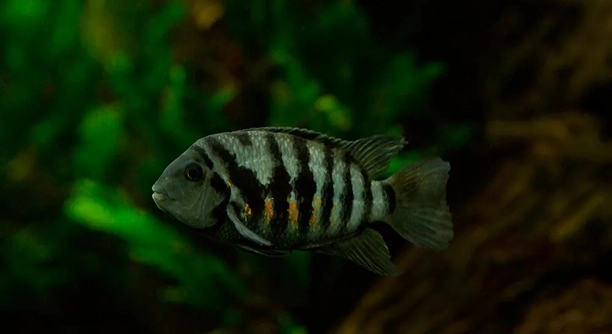
Cichlids are popular aquarium fish known for their vibrant colors and interesting behaviors. Sometimes, these fish gather tightly in one corner of their tank, which can catch the attention of hobbyists. Understanding why this happens helps in caring for them properly.
Cichlids huddle in a corner mainly due to stress or discomfort in their environment. Factors like poor water quality, inadequate space, or aggressive tank mates can cause them to seek safety together. This behavior serves as a protective response to unfavorable conditions.
Learning about these reasons can help improve your cichlids’ living space and overall health. Paying attention to their behavior leads to a happier aquarium environment for both fish and owner.
Common Reasons for Cichlids Huddling
Cichlids often group together in a corner when they feel threatened or uncomfortable. One main cause is poor water quality. High levels of ammonia, nitrites, or nitrates can stress fish and make them seek refuge. Another factor is tank overcrowding. When there isn’t enough space, fish may cluster to avoid confrontation. Aggression from other tank mates can also push cichlids into corners as a way to stay safe. Additionally, sudden changes in water temperature or lighting can upset their routine, causing them to hide. Sometimes, illness or injury will make cichlids less active and more likely to stay in one spot. Watching your fish’s environment and behavior closely can help spot these issues early. By identifying the problem, adjustments can be made to ensure the fish feel secure and healthy in their tank.
Stress in fish is a sign that something in their environment needs attention or improvement.
Making sure the tank water is clean and stable, providing enough space, and choosing compatible tank mates all help prevent stress. Regular water tests and maintenance are key to keeping the environment balanced. Offering hiding spots and plants can reduce tension by giving fish safe places to retreat. It’s important to observe your cichlids’ behavior daily, as early signs of discomfort can be subtle. When problems are addressed quickly, the fish will return to their normal activity and vibrant appearance. Keeping the tank conditions steady and comfortable supports their health and reduces the chance they will huddle anxiously. This care routine not only improves the fish’s quality of life but also makes the aquarium more enjoyable to watch.
How to Improve Your Cichlids’ Comfort
Adjusting the aquarium setup can greatly reduce corner huddling. Start by checking water quality and correcting any imbalances. Regular partial water changes help maintain clean conditions. Make sure the tank is large enough for the number of cichlids you keep, as crowding leads to stress. Adding plants, rocks, or decorations creates natural hiding spots that ease anxiety. Avoid mixing aggressive species together, as conflicts can drive fish into corners. Lighting should be gentle and consistent to avoid startling the fish. Keep the tank environment stable by monitoring temperature and avoiding sudden changes. If illness is suspected, isolating the affected fish and consulting with a vet or aquarium expert is important. Small adjustments can make a big difference in how comfortable and secure your cichlids feel. When they have space, clean water, and safe places, their behavior will improve noticeably.
Signs of Stress in Cichlids
Stress in cichlids shows in many ways. Watch for changes in behavior, such as hiding more or being less active. Color fading and loss of appetite are also common signs. These symptoms mean the fish need attention.
Cichlids that are stressed often swim nervously or stay in one spot for long periods. They may lose their bright colors, becoming dull or pale. Sometimes, they develop clamped fins or breathe rapidly. A stressed fish can also become more aggressive or withdrawn. These behaviors indicate the tank conditions are not ideal. Early detection is important to prevent illness or death. Observing your fish daily helps catch these signs before problems get worse.
If stress is ignored, cichlids can develop diseases or stop eating completely. Stress weakens their immune system, making them vulnerable. Fixing the environment, such as improving water quality and reducing aggression, can help. Sometimes, changing diet or adding vitamins supports recovery. The sooner these steps are taken, the better the chance your fish will bounce back and regain their normal behavior and colors.
Maintaining a Healthy Environment
Maintaining good water quality is crucial for cichlid health. Testing water regularly and performing partial water changes keeps toxins low. Stable temperature and proper filtration support a healthy tank.
Keeping the tank clean is essential to avoid stress and disease. Regularly check ammonia, nitrite, and nitrate levels using test kits. Partial water changes of about 20-30% every week help maintain safe conditions. Use a filter that suits the tank size and clean it often. Keep temperature steady within the ideal range for your cichlid species, usually between 75 and 82°F. Avoid rapid changes in lighting or temperature, which can cause stress. Providing proper aeration ensures enough oxygen is available. These simple steps create an environment where cichlids thrive, reducing the chance they will huddle nervously in corners.
Tank Setup Adjustments
Providing enough space is key to preventing corner huddling. Overcrowding increases stress and aggression among cichlids. Make sure each fish has room to swim freely.
Adding plants and decorations helps create hiding spots. These give fish safe areas to retreat and feel secure, which reduces anxiety and improves behavior.
Choosing Compatible Tank Mates
Some fish species do not get along well with cichlids. Mixing aggressive or territorial species can cause constant stress and fighting. Selecting peaceful tank mates is essential.
Research fish species carefully before introducing them. Avoid overcrowding and monitor interactions closely. Compatible tank mates help create a calm environment, allowing cichlids to relax and behave naturally.
Monitoring Health and Behavior
Keep a close eye on your cichlids’ health. Sudden changes in activity or appearance may signal illness or stress that needs attention quickly.
Regular observation allows early detection of problems. Prompt care increases the chances your fish will recover fully and continue thriving in their environment.
FAQ
Why do my cichlids huddle in one corner of the tank?
Cichlids often huddle in a corner when they feel stressed, scared, or uncomfortable. This can be caused by poor water quality, aggressive tank mates, or sudden changes in the environment. They gather together as a way to feel safer and protect themselves from perceived threats. Sometimes, illness or injury can also cause them to stay in one spot more than usual.
How can I tell if my cichlids are stressed?
Signs of stress include hiding for long periods, faded colors, loss of appetite, rapid breathing, and clamped fins. They may also swim nervously or become more aggressive. Watching your fish regularly helps you spot these behaviors early, which is important to prevent health problems.
What steps can I take to reduce my cichlids’ stress?
Improving water quality is the first step. Perform regular water changes and test water parameters often. Make sure the tank size is adequate for the number of fish. Add hiding places with plants or decorations, and avoid keeping aggressive species together. Maintaining stable temperature and lighting also helps keep stress low.
Is overcrowding a common cause of cichlids huddling?
Yes, overcrowding is a frequent cause. When too many fish are kept in a small space, they compete for territory and resources, leading to stress and aggression. This forces weaker or stressed cichlids to seek refuge in corners or hiding spots. Ensuring enough space per fish is essential for their well-being.
Can illness make cichlids huddle in one area?
Illness or injury can cause fish to stay still or huddle in a corner. Sick cichlids may lose energy and avoid swimming actively. If you notice other signs like discoloration, spots, or abnormal swimming, isolate the affected fish and consider treatment. Early diagnosis and care improve recovery chances.
How often should I test my aquarium water?
Testing water weekly is recommended, especially for ammonia, nitrite, and nitrate levels. Keeping these within safe limits prevents stress and health issues. Regular checks allow you to act quickly if water quality starts to decline.
What is the ideal temperature for most cichlids?
Most cichlids do best between 75°F and 82°F (24°C to 28°C). Sudden temperature changes should be avoided because they can shock the fish and increase stress. Using a reliable heater and thermometer helps maintain a stable temperature.
Can tank decorations help reduce stress in cichlids?
Yes, decorations like rocks, caves, and plants provide hiding places that make cichlids feel secure. These spots allow shy or stressed fish to retreat and rest, reducing anxiety. Creating a natural environment also encourages normal behaviors and reduces corner huddling.
Should I separate aggressive fish from my cichlids?
If you notice bullying or constant chasing, separating aggressive fish is important. Aggression causes stress, injuries, and poor health in cichlids. Using dividers or moving fish to different tanks can restore peace and improve overall tank harmony.
What diet is best for keeping cichlids healthy?
A varied diet with high-quality pellets, flakes, and occasional live or frozen foods is best. Proper nutrition supports their immune system and energy levels. Avoid overfeeding, as leftover food can pollute the tank and harm water quality.
How long does it take for stressed cichlids to recover?
Recovery time depends on the cause and severity of stress. With quick adjustments to water quality, tank setup, and diet, fish can improve within days to weeks. Illness recovery may take longer and sometimes requires medication. Patience and careful care are key.
Can I prevent corner huddling in new cichlids?
Yes, proper acclimation is important when adding new fish. Introduce them slowly to the tank water temperature and chemistry to reduce shock. Provide hiding spots and avoid overcrowding. Monitoring their behavior during the first days helps catch issues early.
Is lighting important for cichlid comfort?
Yes, lighting should mimic natural conditions with a consistent day-night cycle. Too bright or sudden changes in lighting can stress fish. Using timers helps maintain a steady routine, which supports their health and reduces hiding behavior.
How often should I clean the tank to keep cichlids comfortable?
Cleaning the tank once a week with partial water changes and substrate vacuuming keeps waste and toxins low. Avoid full cleanings, as they disturb beneficial bacteria. Regular maintenance ensures a healthy environment that discourages stress behaviors.
What should I do if my cichlids keep huddling despite changes?
If corner huddling continues after improving conditions, consider consulting an aquarium expert or vet. Persistent behavior may indicate hidden illness or other issues. Professional advice can help identify problems and suggest proper treatments or adjustments.
Can poor diet cause cichlids to act stressed or huddle?
Poor nutrition weakens fish and can lead to unusual behavior like hiding or lethargy. A balanced diet with necessary vitamins and minerals supports their health and energy. Improving feeding routines often helps stressed fish regain normal activity levels.
Are some cichlid species more prone to huddling?
Certain species that are naturally shy or more sensitive may huddle more under stress. Understanding your cichlid species’ behavior and needs helps in providing the right environment. Tailoring care reduces stress and unwanted behaviors.
What role does water flow play in cichlid comfort?
Strong or uneven water flow can stress some cichlids, making them seek calmer corners. Adjusting filters or adding flow breaks can create gentle currents, which many species prefer. Proper water movement supports oxygenation without overwhelming the fish.
How do I introduce new cichlids to avoid stress?
Introduce new cichlids slowly using a drip acclimation method or floating the bag to equalize temperature. Keep new fish in quarantine before adding to the main tank. This reduces the risk of disease and helps them adjust without causing stress to established fish.
Can sudden noises or vibrations cause cichlids to huddle?
Yes, loud noises or vibrations near the tank can frighten fish. Cichlids respond by hiding or grouping together for safety. Placing the tank in a quiet area and minimizing sudden disturbances improves their comfort and reduces stress behaviors.
When cichlids huddle in a corner, it is usually a sign that something in their environment is not quite right. This behavior often points to stress, which can come from many causes like poor water quality, overcrowding, or aggressive tank mates. Paying attention to these signals is important because it helps fish owners understand when their cichlids need better care. By watching your fish carefully, you can notice early changes in behavior and take steps to improve their living conditions before problems get worse.
Creating a healthy and comfortable environment for cichlids means maintaining clean water, providing enough space, and choosing compatible tank mates. Regular water testing and changes help keep harmful chemicals at safe levels. It is also important to keep the temperature steady and avoid sudden changes that can shock the fish. Adding plants and decorations gives fish places to hide and feel safe, which lowers their stress. These simple actions support the fish’s health and allow them to show their natural, lively behavior instead of hiding together in a corner.
Taking good care of cichlids requires attention and patience. Stress can weaken their immune systems, making them more vulnerable to illness. When signs of stress or sickness appear, quick action is needed to help the fish recover. Sometimes adjusting the tank setup or improving water quality is enough. In other cases, medical treatment or separating aggressive fish may be necessary. Overall, understanding why cichlids huddle and responding properly will improve their well-being and make your aquarium a better place for both the fish and you.

Hello,
If you enjoy the content that we create, please consider saying a "Thank You!" by leaving a tip.
Every little bit helps us continue crafting quality advice that supports the health, happiness, and well-being of pets around the world, for pets of all shapes, sizes, and species.
We really appreciate the kindness and support that you show us!