
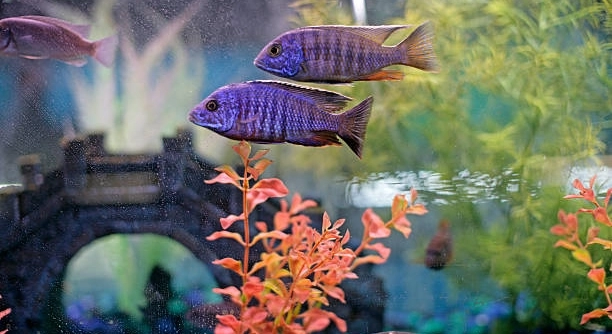
African cichlids are popular aquarium fish known for their vibrant colors and active behavior. Feeding them properly is essential to keep them healthy and thriving. This article explores the best times to feed these unique fish for optimal care.
Feeding African cichlids at consistent intervals, typically two to three times a day, supports their digestive health and growth. Avoiding overfeeding and spacing meals evenly prevents water quality issues and promotes a balanced diet.
Understanding the best feeding schedule can improve your fish’s well-being and help maintain a clean, healthy tank environment.
Morning Feeding for African Cichlids
Feeding African cichlids in the morning is crucial because it sets the tone for their energy throughout the day. Early feeding provides them with the necessary nutrients after a night of fasting. Typically, a morning meal should be light but nutritious. This helps activate their metabolism without overwhelming their digestive system. It’s important to avoid overfeeding in the morning, as cichlids can become sluggish or stressed if given too much food at once. The morning feeding also allows you to observe your fish closely, checking for any signs of health issues or abnormal behavior. Feeding them around the same time daily helps establish a routine that can reduce stress. Morning is the best time to offer protein-rich foods, like flakes or pellets formulated for cichlids, to support growth and energy needs. Maintaining this feeding habit will improve their overall activity and coloration.
Morning feedings should be consistent to keep your cichlids alert and healthy throughout the day.
Keeping to a morning feeding schedule encourages regular activity and helps maintain water quality by reducing leftover food. This simple step improves fish health and tank cleanliness.
Afternoon Feeding to Maintain Energy
Afternoon feeding plays a key role in sustaining your African cichlids’ energy levels. At this point, the fish have digested their morning meal and need another boost to keep their activity steady. Providing a smaller portion in the afternoon prevents overfeeding while keeping hunger at bay. You can vary the diet here by introducing vegetable-based foods or frozen options like brine shrimp, which offer essential nutrients different from their morning meal. This balance is important to prevent nutritional deficiencies and support immune health. Feeding in the afternoon also helps stabilize their metabolism, which contributes to better digestion and reduces waste buildup in the tank. The timing should be spaced enough from the morning feeding to allow digestion but close enough to maintain energy. Regular afternoon feeding supports their vibrant colors and encourages natural behaviors like foraging.
Spacing meals properly throughout the day reduces stress and improves digestion in African cichlids.
A balanced diet split between morning and afternoon feedings can prevent overfeeding and keep your tank clean. Careful attention to feeding times ensures your fish receive steady nutrients without strain on the aquarium environment. Adjust portions based on tank size and fish numbers to maintain this balance effectively.
Evening Feeding for African Cichlids
Evening feeding is essential to help African cichlids store energy overnight. Feeding too late or too much can harm water quality, so a small, controlled portion is best. This meal should be lighter than earlier feedings.
Feeding in the evening helps cichlids maintain their energy through the night. Their metabolism slows down during nighttime, so giving them a smaller meal prevents leftover food from polluting the tank. This also supports better digestion and reduces waste. Using easily digestible foods like flakes or pellets designed for cichlids is ideal for this feeding time. Avoid heavy or protein-rich foods late in the day to prevent digestive problems or water contamination. Keeping evening feeding light but consistent supports a healthy aquarium environment and healthier fish overall.
A well-timed evening feeding contributes to better tank maintenance and fish health. It’s important to monitor your fish’s response and adjust food amounts accordingly for optimal results.
Feeding Frequency and Portion Control
Feeding frequency should be balanced with portion control to avoid overfeeding and maintain water quality. Overfeeding can cause health issues and increase tank waste.
Feeding African cichlids two to three times daily is ideal when portion sizes are carefully controlled. Too much food can cause uneaten leftovers, leading to ammonia buildup and poor water conditions. Overfeeding may also cause obesity and digestive problems in fish. Each feeding should provide only as much food as the fish can consume within a few minutes. Smaller, more frequent meals promote better digestion and nutrient absorption. Monitoring fish behavior during feeding times can help adjust portions to their appetite and needs. Proper feeding frequency combined with correct portion sizes creates a stable environment, reducing tank maintenance and improving fish well-being.
Portion control also means varying food types and amounts based on the fish’s age, size, and activity level. Younger or more active fish often need more frequent feeding than adults. Adjusting feeding frequency and portion size helps keep African cichlids healthy, active, and their aquarium clean.
Feeding Young African Cichlids
Young African cichlids need more frequent feeding to support rapid growth. Smaller meals given three to four times daily are best. This helps them get enough nutrients without overloading their digestion.
Feeding young fish often encourages healthy development and stronger immune systems. Consistent meal times create good eating habits early on.
Avoiding Overfeeding in African Cichlids
Overfeeding is a common problem that can harm your cichlids and the aquarium environment. Excess food leads to poor water quality and health issues for the fish. It is important to feed only what the fish can consume quickly, and to remove any uneaten food promptly. Overfeeding also increases waste and the risk of disease. Watching the fish during feeding helps determine the right amount to offer. Careful portion control maintains a clean tank and keeps your cichlids healthy.
Feeding Frequency for Adult Cichlids
Adult African cichlids generally do well with two feedings per day. This frequency supports their metabolism and keeps their activity levels steady. Overfeeding adults can cause weight gain and water pollution, so portion size should be carefully managed. A balanced diet split between morning and afternoon feedings meets their nutritional needs without overwhelming their digestive system.
Feeding for Breeding African Cichlids
Breeding cichlids require a slightly different feeding approach. They need more nutrient-rich foods to support reproduction and fry development.
FAQ
How often should I feed my African cichlids?
Most African cichlids do well when fed two to three times a day. This schedule allows their metabolism to stay active without overwhelming their digestive system. Younger cichlids may need more frequent meals, up to four times daily, while adults generally thrive on two meals. The key is to observe your fish and adjust based on their appetite and activity level.
What types of food are best for African cichlids?
A varied diet helps keep cichlids healthy and vibrant. High-quality flakes or pellets designed specifically for cichlids should form the base of their diet. Supplement this with frozen or live foods like brine shrimp or bloodworms for protein. Vegetables such as spinach or peas can be added to support their herbivorous needs. Offering a mix of protein and plant-based foods ensures balanced nutrition.
Can I feed my cichlids once a day?
Feeding once daily is generally not recommended for African cichlids. Their metabolism works best with multiple smaller meals spaced throughout the day. Once-daily feeding can cause hunger swings and impact their digestion negatively. It may also increase aggressive behavior during feeding time, as the fish become more competitive for limited food.
How much food should I give during each feeding?
Only offer as much food as your cichlids can eat in about two to three minutes. Uneaten food can decay and pollute the tank, leading to poor water quality and health problems. Start with small portions and add more if needed. Watching your fish closely during feeding times helps you find the right amount to avoid waste.
Is it okay to feed my cichlids at irregular times?
Consistency in feeding times is better for African cichlids. Feeding them around the same times each day helps reduce stress and keeps their metabolism stable. Irregular feeding can cause erratic behavior and digestive issues. Creating a routine also makes it easier to monitor their health and appetite.
What should I do if my cichlids refuse to eat?
If your cichlids suddenly stop eating, check the water conditions first. Poor water quality or sudden changes can stress fish and affect appetite. Also, consider if the food type or size is appropriate. Sometimes fish refuse food if it’s stale or unfamiliar. Try offering different foods or adjusting feeding times to encourage eating.
Can overfeeding harm my African cichlids?
Yes, overfeeding is one of the main causes of health problems in cichlids. Excess food leads to obesity and poor water quality due to decomposing leftovers. This creates an environment where diseases can spread. Keeping portion sizes small and feeding multiple times a day prevents overfeeding and promotes healthy digestion.
Should I change feeding routines during breeding?
During breeding, cichlids need more nutrient-rich foods to support spawning and fry growth. Increasing feeding frequency and offering high-protein foods like live or frozen brine shrimp helps. Be careful not to overfeed, as excess food can harm water quality and fry health. Maintaining clean water is especially important during breeding.
Is it necessary to remove uneaten food from the tank?
Removing uneaten food after feeding is important to keep water quality high. Leftover food breaks down and increases ammonia and nitrate levels, which can harm fish. Using a siphon or net to clean the tank regularly helps maintain a healthy environment. This simple step supports your cichlids’ well-being.
Can feeding times affect aggression among African cichlids?
Feeding times can influence aggression. Feeding at consistent times reduces competition and stress. If food is given irregularly or in large amounts, cichlids may fight over it. Smaller, frequent meals help distribute food evenly and keep aggression lower. Observing your fish during feeding helps identify any aggressive behavior early.
Feeding African cichlids at the right times is important for their health and happiness. Consistent feeding schedules help keep their metabolism steady and reduce stress. Feeding them two to three times a day, with smaller portions, works best for most cichlids. Young fish may need more frequent feedings, while adult fish do well with fewer. It’s important to avoid overfeeding because too much food can pollute the tank and harm the fish. Watching your fish during feeding times can help you adjust the amount of food to give. Feeding at regular intervals also helps keep the water clean and the fish active.
The type of food you offer is just as important as the feeding schedule. A balanced diet with protein-rich foods and some plant-based options supports good growth and color. Pellets or flakes made for cichlids are a good choice for daily feeding. Adding live or frozen foods occasionally provides extra nutrients and variety. Vegetables like peas or spinach are helpful for herbivorous cichlids. Making sure the food is fresh and suited to their needs helps your fish stay healthy. Feeding smaller amounts but more often prevents digestion problems and keeps the aquarium environment stable.
Proper feeding habits contribute to the overall well-being of African cichlids and the health of the tank. Keeping to a feeding routine reduces stress and aggressive behavior, which can happen when fish compete for food. Monitoring their eating habits also helps you spot any health issues early. Removing uneaten food promptly keeps the water quality high and reduces the risk of disease. Remember that feeding is part of caring for your fish and maintaining their environment. A little attention to feeding times and amounts goes a long way in supporting vibrant, active African cichlids.

Hello,
If you enjoy the content that we create, please consider saying a "Thank You!" by leaving a tip.
Every little bit helps us continue crafting quality advice that supports the health, happiness, and well-being of pets around the world, for pets of all shapes, sizes, and species.
We really appreciate the kindness and support that you show us!