
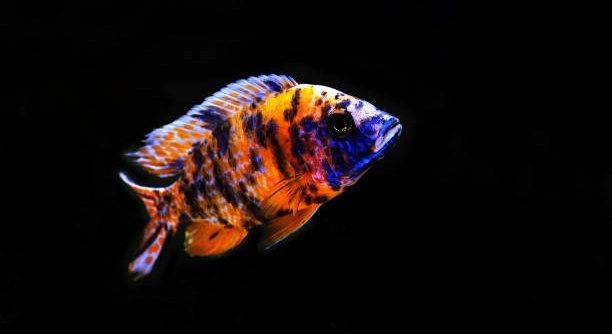
Cichlids are known for their vibrant colors, which can change quickly under certain conditions. These color shifts often reflect the fish’s health, environment, or stress levels. Understanding what causes these changes can help maintain their natural beauty.
Several factors influence rapid color changes in cichlids, including water quality, diet, lighting, stress, breeding behavior, age, and tank mates. Each of these elements plays a crucial role in affecting pigmentation and overall appearance in these fish.
Knowing what affects your cichlid’s color can improve care and help you create a healthier environment for them. This article explains the key factors behind their fast color changes.
Water Quality and Its Impact on Cichlid Color
Water quality plays a significant role in how quickly cichlids change color. Poor water conditions can cause stress, which often leads to dull or faded colors. Maintaining the right pH, temperature, and cleanliness is essential to keep your cichlid vibrant. Ammonia, nitrite, and nitrate levels need regular monitoring to avoid harmful buildup. Sudden changes in water parameters can also cause your fish to lose color temporarily as they adjust. Clean water supports healthy skin and scales, which show off the fish’s natural pigmentation. Frequent partial water changes and proper filtration help maintain these conditions. When the water is well-balanced, cichlids display their best colors more consistently and for longer periods. This also reduces the chance of disease, which can further impact their appearance.
Water quality directly influences the intensity and stability of cichlid coloration. Consistent maintenance keeps colors vivid and prevents stress-related fading.
Proper water care ensures your cichlids stay healthy and colorful. Regular testing and cleaning create a stable environment where they can thrive. Avoid sudden water changes and keep parameters within the species’ ideal range. This routine supports natural color expression and reduces health risks. Watching your cichlid regain or maintain bright colors after improving water quality is rewarding and confirms the importance of this factor.
Diet and Color Enhancement
A balanced diet rich in carotenoids and proteins significantly affects cichlid color. Feeding high-quality pellets, flakes, and occasional live or frozen foods can enhance pigmentation. Foods like shrimp, krill, and spirulina provide nutrients that boost vibrant reds, oranges, and blues. Lack of these nutrients may cause dull or pale colors. Overfeeding or feeding poor-quality food can lead to health problems and affect color negatively.
Dietary nutrients are crucial for maintaining and enhancing cichlid coloration. Proper nutrition supports both overall health and visual appeal.
Feeding your cichlids a variety of foods ensures they receive essential vitamins and minerals to support color development. Natural pigments found in certain foods help your fish display richer and more vibrant colors. It’s important to avoid overfeeding to prevent water quality issues. Introducing color-enhancing supplements can be helpful, but should be done with caution and according to recommendations. A consistent feeding routine that includes fresh, nutrient-rich options encourages the best color results. Observing your cichlid brighten after a diet change can motivate ongoing care and attention to nutrition.
Lighting Conditions
Lighting directly influences how cichlid colors appear. Too little light can make their colors fade, while too much can stress them and cause dullness. The right balance is key.
Natural or full-spectrum lighting helps cichlids display their brightest colors. Lighting mimics their natural environment and supports healthy pigment development. LED lights designed for aquariums are often the best choice since they produce minimal heat and allow for adjustable intensity. Using a timer to provide consistent day and night cycles prevents stress and promotes stable coloration. Sudden changes in lighting can shock fish, leading to temporary color loss. Consistency is essential to maintaining their visual vibrancy over time.
Adjusting lighting also helps highlight different colors depending on the spectrum used. Cooler lights bring out blues and greens, while warmer tones emphasize reds and oranges. Experimenting with lighting placement can reveal your cichlid’s best appearance without causing harm. Proper lighting encourages normal behavior and enhances tank aesthetics, benefiting both the fish and their environment.
Stress and Behavior
Stress is a major factor in rapid color changes in cichlids. Stress causes their colors to fade as a defense mechanism to avoid predators or conflicts.
Common stress sources include overcrowding, aggressive tank mates, poor water conditions, and sudden environmental changes. When stressed, cichlids may become less active and lose their usual bright hues. Maintaining a calm environment with enough hiding spaces reduces stress. Observing your fish’s behavior helps identify stress before color loss becomes severe. Gradually introducing new fish and avoiding sudden changes in the tank also keeps stress levels low. Reducing stress improves not only coloration but also overall health and longevity. Regular tank maintenance and proper tank mates can minimize stress-related color changes.
Breeding and Color Changes
Breeding triggers noticeable color shifts in cichlids. Males often become more vibrant to attract females or defend territory.
Females may darken or lose some color when caring for eggs or fry. These changes are natural and usually temporary.
Age and Color Variation
As cichlids grow older, their colors can naturally change or fade. Juveniles often have different patterns or duller colors compared to adults. Aging may reduce pigment intensity due to slower metabolism or health changes. Older fish sometimes regain color with good care but may never fully return to their brightest hues.
Tank Mates and Color Influence
Aggressive or overly dominant tank mates can cause cichlids to lose color quickly. Stress from bullying or competition leads to fading. Keeping compatible species helps maintain vibrant coloration.
FAQ
What causes sudden color changes in cichlids?
Sudden color changes usually result from stress, poor water quality, or environmental shifts. Stressful conditions like overcrowding, aggressive tank mates, or rapid changes in temperature and pH make cichlids lose their bright colors quickly. Improving these conditions often helps them regain their natural hues.
How can I improve my cichlid’s color naturally?
Improving water quality, providing a balanced diet rich in carotenoids, and maintaining proper lighting are the best natural ways to enhance cichlid coloration. Consistent tank maintenance and reducing stress also support healthy pigment expression. Avoid sudden changes in the environment to keep colors stable.
Does diet affect cichlid color?
Yes, diet plays a major role. Foods like shrimp, krill, and spirulina contain pigments that boost red, orange, and blue colors. Feeding a varied, nutrient-rich diet helps maintain vibrant coloration and overall fish health. Poor diet can lead to dull or faded colors.
Can breeding change cichlid colors?
During breeding, males often become more colorful to attract mates or defend territory, while females may darken or lose some color temporarily while caring for eggs or fry. These changes are normal and usually reverse after the breeding period.
Why does lighting matter for cichlid color?
Lighting affects how colors are displayed and developed. Proper aquarium lighting mimics natural conditions, promoting healthy pigmentation. Too little light can make colors fade, while excessive light can cause stress. Consistent day-night cycles and full-spectrum or LED lighting work best.
How do tank mates influence cichlid coloration?
Aggressive or overly dominant tank mates cause stress, which leads to color fading. Stress makes cichlids less vibrant as they try to avoid conflict. Choosing compatible species and providing hiding spaces reduces stress and supports bright, healthy colors.
Can old cichlids regain their bright colors?
Older cichlids may lose some color intensity due to aging and slower metabolism. While good care can improve their appearance, some color fading is natural with age. Maintaining ideal conditions helps older fish look their best.
Is stress the main reason for color loss?
Stress is a leading cause of color loss but not the only one. Water quality, diet, lighting, breeding, age, and tank environment all contribute. Managing stress is essential, but addressing all these factors together ensures better results.
How often should I check water parameters?
Regularly testing water parameters, at least once a week, helps catch issues early. Monitoring pH, ammonia, nitrites, and nitrates keeps water conditions stable, which is crucial for maintaining vibrant cichlid colors and overall health.
Can color changes indicate illness?
Yes, sudden or persistent color changes can signal health problems. Fading, blotchy, or unusual colors might be signs of infections, parasites, or other diseases. If changes occur alongside other symptoms like lethargy or loss of appetite, consult a vet or aquatic specialist promptly.
Color changes in cichlids happen for many reasons, and understanding these can help keep your fish healthy and vibrant. Factors like water quality, diet, lighting, stress, breeding, age, and tank mates all play important roles. When one or more of these change, your cichlid’s colors can shift quickly. Some changes are temporary and natural, such as those during breeding or aging. Others, like stress or poor water conditions, signal that something in the tank needs attention. Knowing what to watch for helps you create a better environment for your cichlids and enjoy their bright, beautiful colors more often.
Maintaining stable tank conditions is key to keeping your cichlid’s colors strong. Regular water testing and changes, a balanced diet with color-enhancing foods, and proper lighting all contribute to healthier, more vibrant fish. Stress should be minimized by choosing compatible tank mates and avoiding sudden changes to their environment. While some color changes are normal, sudden or lasting fading often points to issues that need fixing. Paying close attention to these signs and acting promptly improves both the appearance and well-being of your cichlids.
Taking care of cichlids requires patience and consistency, but the reward is worth it. Seeing their colors shine and knowing they are healthy creates a satisfying experience. Each factor affecting color is part of a bigger picture, so balancing water, food, lighting, and social dynamics is important. Even aging fish can maintain good color with proper care. Keeping these points in mind ensures that your cichlids will continue to brighten your aquarium and bring enjoyment for a long time.

Hello,
If you enjoy the content that we create, please consider saying a "Thank You!" by leaving a tip.
Every little bit helps us continue crafting quality advice that supports the health, happiness, and well-being of pets around the world, for pets of all shapes, sizes, and species.
We really appreciate the kindness and support that you show us!