
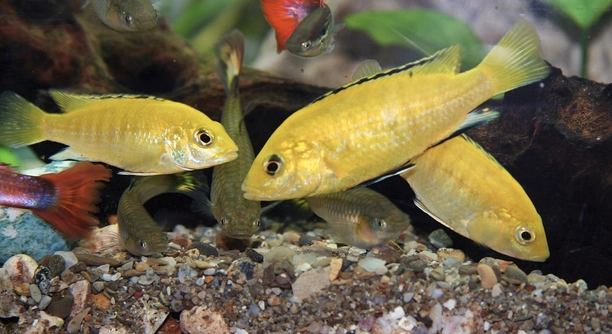
Cichlids are popular aquarium fish known for their interesting behaviors. One behavior that often catches attention is their habit of blowing bubbles. This action can seem unusual but has important purposes in their daily life.
Cichlids blow bubbles primarily to build bubble nests, which serve as protective areas for their eggs and young. This behavior is essential for reproduction, as it helps keep the eggs safe from predators and environmental hazards until they hatch.
Understanding why cichlids blow bubbles reveals more about their natural instincts and how to care for them properly in a home aquarium.
What Is a Bubble Nest?
A bubble nest is a structure made of air bubbles that cichlids create on the water’s surface. These nests are crucial for the breeding process. Male cichlids blow bubbles mixed with saliva to make a floating, stable cluster. This nest provides a safe place for the eggs after the female lays them. The bubbles help keep the eggs oxygenated and protected from debris or potential threats. Not all cichlid species build nests, but many common ones do. The size and shape of the bubble nest can vary depending on the species and water conditions. In a home aquarium, it’s possible to see these nests forming during the breeding season. The nest-building is a sign the fish are ready to spawn, and it reflects their natural reproductive behavior. Maintaining clean water and stable conditions encourages this behavior and supports the health of the fish and their offspring.
Bubble nests signal that cichlids are preparing for reproduction. Observing this behavior shows that the fish are comfortable in their environment and ready to breed.
Providing a peaceful, clean habitat is essential when bubble nests appear. It helps reduce stress and increases the chances of successful spawning. Make sure the tank has calm water and appropriate hiding spots for both parents and fry. Avoid disturbing the nest during this time, as it can cause the fish to abandon their eggs. If the female lays eggs, both parents may guard the nest closely, showing protective behavior. Recognizing and supporting this natural process enhances the health and well-being of cichlids in your care.
Why Do Cichlids Blow Bubbles Outside of Breeding?
Cichlids sometimes blow bubbles even when they are not breeding. This action can serve different purposes beyond nest building. It may be a sign of establishing territory, especially in tanks with multiple fish. Bubble blowing can also be a form of communication between cichlids, signaling dominance or attracting mates. In some cases, it helps improve oxygen levels at the water’s surface by creating more movement and surface agitation. This behavior is often more noticeable in healthy, active fish that feel secure in their environment. Watching these patterns helps aquarists understand their fish better and notice any changes in behavior that might indicate stress or illness.
Blowing bubbles outside breeding is a normal, natural behavior with multiple social and environmental functions.
If your cichlid is blowing bubbles but not nesting, it may be showing territorial behavior or trying to improve water conditions. Providing enough space and hiding spots reduces aggression and encourages calm interactions. Good filtration and aeration support the fish’s oxygen needs, especially in crowded tanks. Watching how often and when your cichlids blow bubbles can offer clues about their mood and health. Adjusting tank conditions based on these observations helps maintain a balanced and peaceful aquarium. Understanding these subtle behaviors enriches the experience of caring for cichlids and supports their overall well-being.
How to Support Bubble Nesting in Your Aquarium
Providing calm water is essential for bubble nest building. Strong currents can break the bubbles apart, so using a gentle filter helps maintain the nest’s structure. Stable water temperature around 78–82°F encourages breeding behavior and nest building.
Maintaining clean water is critical when cichlids build nests. Regular water changes reduce waste and harmful chemicals that can stress the fish. Adding floating plants offers extra shelter and surfaces for bubbles to stick to, helping the nest stay intact longer. Avoid sudden changes in lighting or water parameters, as these can cause the fish to abandon the nest. Observing the tank without disturbance supports the parents during this sensitive time.
Feeding high-quality foods rich in protein promotes breeding readiness. Foods like brine shrimp or bloodworms boost energy and health, encouraging males to build stronger nests. A well-fed pair is more likely to successfully care for their eggs and fry. Proper nutrition combined with stable conditions gives cichlids the best chance for successful reproduction in captivity.
Signs of Stress Affecting Bubble Nesting
Stress can prevent cichlids from building or maintaining bubble nests. Signs include reduced bubble activity and hiding behavior. Stress can come from overcrowding, poor water quality, or aggressive tank mates.
Improving tank conditions often restores nesting behavior. Increasing space, reducing aggression, and maintaining clean water help fish feel secure. Sometimes, rearranging decorations to break line-of-sight between aggressive fish lowers stress. Avoid tapping the glass or sudden movements near the tank, which can startle the cichlids and disrupt bubble nests. Providing a peaceful environment supports natural behaviors and increases the chance of successful breeding. Paying attention to these signs helps keep cichlids healthy and comfortable in their home.
Common Misunderstandings About Bubble Blowing
Not all bubbles in the tank are part of a nest. Sometimes, bubbles form naturally from aeration or water movement. Mistaking these for nesting bubbles can cause unnecessary concern. Observing the fish’s behavior helps clarify the reason behind the bubbles.
Bubble blowing is not always a sign of poor water quality. In fact, it often indicates healthy, active fish. However, if bubbles appear alongside signs of distress, water testing is advisable to rule out problems.
How Bubble Nests Affect Breeding Success
Bubble nests provide a protected environment for eggs, increasing survival rates. They keep eggs oxygenated and help keep them together in one place, making it easier for parents to guard them. Without a stable bubble nest, eggs may sink or become vulnerable to bacteria and predators, reducing breeding success significantly.
When to Seek Help With Bubble Nesting
If your cichlids repeatedly fail to build or maintain nests despite good conditions, consulting an expert can be helpful. Sometimes subtle health or environmental issues need attention. Early intervention improves chances for successful breeding.
FAQ
Why do cichlids blow bubbles only sometimes?
Cichlids blow bubbles mainly during breeding periods to create nests. Outside of breeding, they may blow bubbles for territory or oxygen circulation. If conditions are not right for spawning, bubble blowing might stop or occur less often.
Can all cichlid species build bubble nests?
No, not all species do. Many common types, like certain dwarf and African cichlids, build nests, but others use different breeding strategies. It depends on their natural habitat and behavior.
How long do bubble nests last?
Bubble nests can last for several days to weeks during the breeding cycle. Their durability depends on water conditions and disturbances. Calm water and minimal tank activity help nests stay intact longer.
What happens if a bubble nest breaks?
If the nest breaks, eggs may sink or get scattered, reducing survival chances. Parents may try to rebuild the nest if conditions remain favorable. Frequent disturbances make rebuilding harder.
Should I remove other fish when bubble nests appear?
Removing aggressive or curious tank mates can protect the nest. Other fish might disturb or eat the eggs. Providing separate breeding tanks is often recommended for better success.
Do both male and female cichlids build the nest?
Usually, the male is the primary nest builder. The female contributes by laying eggs in the nest and may help guard the eggs and fry. Roles vary among species.
How can I tell if my cichlid is building a bubble nest?
Look for clusters of small bubbles on the water surface, often near plants or tank decorations. The male may guard the area aggressively. Increased bubble activity signals nest building.
Is bubble blowing affected by tank size?
Yes, tank size influences behavior. Smaller tanks with low water movement favor bubble nest formation. Strong currents or large tanks can make nest building difficult or impossible.
Can I encourage bubble nesting in my cichlids?
Yes, by maintaining stable temperatures, clean water, and calm conditions. Feeding high-protein foods also encourages breeding behavior and nest building.
What water parameters support bubble nesting?
A temperature around 78–82°F, neutral to slightly acidic pH, and low to moderate hardness are ideal. Keeping ammonia and nitrites at zero is critical for fish health and breeding.
Do cichlids care for their eggs in the nest?
Yes, parents often guard and tend the eggs, moving them gently within the nest and removing debris or infertile eggs. This care improves egg survival rates.
Why do bubble nests sometimes disappear suddenly?
Nests may disappear due to changes in water conditions, disturbances, stress, or if eggs have hatched and parents no longer need the nest. Fish may also eat the nest if stressed.
Are bubble nests visible in all aquarium setups?
Nests are most visible in clear, calm tanks with open surfaces. Dense plants or strong filtration may hide or destroy bubble nests before they become noticeable.
Is it normal for cichlids to destroy their own bubble nests?
Yes, this can happen if fish feel stressed, threatened, or uncomfortable. They may abandon or destroy the nest to restart under better conditions or when they detect problems with the eggs.
What should I do if my cichlid never builds a bubble nest?
Ensure the environment is suitable and the fish is healthy. If conditions are right but nesting doesn’t occur, the fish might not be ready to breed or could require a mate to trigger the behavior.
Can bubble nests form without eggs being laid?
Yes, sometimes males build nests in preparation or as a display even if the female hasn’t laid eggs yet. This behavior can be part of courtship or territory signaling.
Does lighting affect bubble nest building?
Moderate lighting that mimics natural day-night cycles supports normal behavior. Sudden changes or very bright light may stress fish and inhibit nesting.
Are bubble nests important for all freshwater fish?
No, bubble nesting is specific to certain species, including many cichlids and some gouramis. Other fish use different reproductive strategies, like mouthbrooding or substrate spawning.
How do I know if the bubble nest is successful?
Success is indicated by eggs being laid and cared for in the nest, followed by the hatching of fry. Active parental care and minimal disturbances also suggest a healthy nesting process.
Can stress from handling affect bubble nest building?
Yes, frequent handling or tank disruptions can stress fish and prevent nest building. Minimizing interference during breeding season helps maintain nesting behavior.
Do cichlids need special conditions to keep bubble nests in community tanks?
Yes, community tanks should be large with plenty of hiding spots and peaceful tank mates. Aggressive or overly curious fish can damage nests or stress breeding pairs.
Is there a way to protect bubble nests from predators?
Separating breeding pairs or using breeding boxes helps protect nests. Providing dense plants or floating covers can also shield nests from predation.
What role does saliva play in bubble nest construction?
Saliva helps stabilize the bubbles by making them stick together and last longer. This keeps the nest intact and able to protect the eggs properly.
How often do cichlids blow bubbles when building nests?
Bubble blowing is frequent and continuous during nest construction. The male will work to keep the nest healthy until eggs are laid and hatch.
Does diet impact bubble nest quality?
A nutritious diet with protein-rich foods improves fish health and nest quality. Poor nutrition may reduce the male’s ability to build and maintain strong nests.
Can water hardness affect bubble nesting?
Yes, extreme hardness levels may inhibit breeding behaviors, including nest building. Cichlids generally prefer soft to moderately hard water for optimal nesting.
Are bubble nests only built at the water surface?
Yes, bubble nests are formed at the surface because the air bubbles need to stay afloat and provide oxygen to the eggs beneath them.
Can bubble nesting behavior be observed in wild cichlids?
Definitely. Bubble nests are a natural behavior seen in wild cichlids in calm waters like slow rivers or ponds where they breed successfully.
Is temperature fluctuation harmful during bubble nesting?
Sudden temperature changes can stress fish and disrupt nest building. Keeping a stable temperature is important to maintain breeding behaviors and egg survival.
Bubble blowing is a fascinating behavior in cichlids that reflects their natural instincts and breeding needs. This simple act of creating bubble nests plays a crucial role in the survival of their offspring. Understanding why cichlids blow bubbles helps aquarists provide better care and support for these fish in captivity. By recognizing this behavior as a sign of readiness to breed, it becomes easier to create the right environment for them to thrive.
Supporting bubble nesting involves maintaining calm water conditions and stable temperatures. Clean water and proper nutrition also encourage cichlids to build and protect their nests. Observing how your fish behave around bubble nests can give important clues about their health and comfort. Stress or poor water quality may prevent nest building, so paying attention to these signs is important for keeping your fish happy and healthy. Small adjustments to the tank environment often improve nesting success.
Bubble nests are a clear example of how cichlids show care for their eggs and young. The nests protect and oxygenate the eggs, increasing their chances of survival. While bubble blowing can sometimes confuse new fish keepers, understanding its purpose offers a better connection with the fish’s natural behaviors. Providing the right conditions supports this fascinating behavior and helps cichlids reproduce successfully, making aquarium care more rewarding.

Hello,
If you enjoy the content that we create, please consider saying a "Thank You!" by leaving a tip.
Every little bit helps us continue crafting quality advice that supports the health, happiness, and well-being of pets around the world, for pets of all shapes, sizes, and species.
We really appreciate the kindness and support that you show us!