
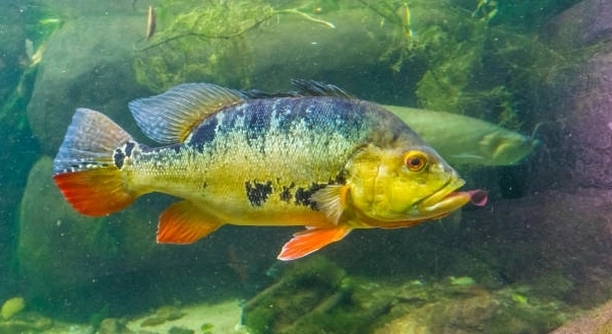
Introducing new tankmates to your aquarium can be exciting yet challenging. Ensuring a peaceful environment requires careful steps to avoid stress or aggression among fish. Many fish owners want to know the safest ways to make this transition smooth for their aquatic pets.
Successful introduction of new tankmates involves gradual acclimation, quarantine procedures, and monitoring water quality to minimize disease risk and territorial conflicts. Following proven strategies helps maintain a balanced ecosystem and promotes long-term harmony among fish species.
Knowing how to introduce new fish safely protects your tank’s health and keeps your aquatic community thriving over time.
Prepare the Tank Properly
Before adding new fish, it is important to prepare the tank carefully. Start by cleaning the aquarium and removing any leftover food or debris. Check the water parameters such as temperature, pH, and ammonia levels to ensure they are suitable for both the current and new tankmates. Adding a few plants or hiding spots can help reduce stress for the newcomers by providing shelter. Also, ensure the filtration system is working efficiently to maintain clean water during the transition. Proper tank preparation creates a stable environment that supports the health of all fish and reduces the chances of aggressive behavior or illness. Taking the time to get your tank ready sets a solid foundation for introducing new tankmates safely and successfully.
Taking these steps reduces stress and helps your fish adapt better to their new environment.
A well-prepared tank improves water quality and offers security, which is essential for peaceful coexistence among fish. This preparation protects your aquarium’s balance and keeps all fish healthy.
Quarantine New Fish
Quarantining new fish is crucial to prevent diseases from spreading to your established tank. Keep new arrivals in a separate tank for at least two weeks, monitoring their health closely. During quarantine, watch for signs of illness such as discoloration, spots, or abnormal behavior. Treat any health issues before introducing the fish to the main tank. This step limits the risk of infections that could harm your entire aquatic community. Quarantine also helps fish acclimate to the water conditions gradually, reducing stress.
Quarantine protects your main tank and ensures new fish are healthy before joining the group.
Keeping new fish isolated and under observation is the best way to stop diseases early. It also gives you time to get them used to the water, which makes the introduction smoother and safer for all fish involved.
Introduce Fish Slowly
Introducing new fish slowly helps reduce stress and aggression. Use a floating bag or a separate container inside the tank to let fish see each other without direct contact.
This gradual introduction allows fish to get used to each other’s presence. It helps prevent territorial fights and gives shy fish a chance to adjust at their own pace. Keep an eye on how the fish react during this period, watching for signs of stress or aggression. If aggression occurs, slow down the process or provide more hiding spots.
Adding new fish too quickly can overwhelm the established tankmates. Slowly increasing interaction time helps build tolerance and peaceful coexistence. Patience during this stage is key to a smooth transition.
Monitor Behavior Closely
Watch your fish closely after introducing new tankmates. Look for signs like chasing, hiding, or fin nipping that may indicate tension.
If aggressive behavior continues beyond a few days, it may be necessary to separate the fish temporarily. Keep observing their interactions during feeding times and general swimming. Some initial squabbles are normal, but persistent bullying can harm the weaker fish. Adjust decorations or rearrange plants to break up territories if needed.
Regular monitoring allows you to catch problems early and intervene when necessary. It ensures your tank remains a safe and balanced environment for all fish. Responding promptly to signs of stress protects the health and well-being of your aquatic community.
Use a Divider
A divider can keep new fish separated while still allowing water to flow between sections. This helps them get used to each other without direct contact.
Dividers reduce stress and prevent early fights. Fish can see and smell one another, which aids in gradual acclimation before full introduction.
Maintain Stable Water Conditions
Stable water conditions are essential when adding new tankmates. Sudden changes can stress fish and cause illness. Monitor temperature, pH, and ammonia levels regularly, and avoid large water changes during the introduction period to keep conditions consistent.
Provide Ample Hiding Spots
Hiding spots help fish feel safe and reduce aggression. Use plants, rocks, or decorations to create places for fish to retreat. This helps them relax and lowers chances of conflict.
FAQ
How long should I quarantine new fish before adding them to the main tank?
Quarantining new fish for at least two weeks is recommended. This period allows you to observe any signs of illness or stress before introducing them to your established tank. It also gives time to treat any potential diseases, reducing the risk of spreading infections to other fish.
Can I add multiple new fish at the same time?
Adding several fish simultaneously is possible but depends on your tank size and fish species. Introducing many new fish can increase stress and aggression, especially in smaller tanks. It’s often better to add them gradually to help everyone adjust more smoothly.
What signs indicate fish aggression after introduction?
Common signs include chasing, biting fins, hiding, and torn fins. Aggression may also cause some fish to isolate themselves or show stress behaviors like rapid breathing. Watch closely during the first few days to address any serious conflicts early.
Is it necessary to rearrange tank decorations when adding new fish?
Rearranging decorations can help disrupt established territories, reducing aggression. Moving plants, rocks, or hiding spots can make fish less territorial and promote peaceful interactions. However, avoid drastic changes that may overly stress all tank inhabitants.
How often should I monitor water parameters during the introduction period?
Check water parameters daily or every other day during introductions. New fish can affect water quality, and unstable conditions increase stress and illness risks. Regular testing helps catch any changes early so you can take action quickly.
What should I do if a new fish is attacked by tankmates?
If a new fish faces continuous aggression, consider separating it temporarily using a divider or moving it back to quarantine. Increase hiding spots to give it refuge. Persistent bullying may mean the fish is not compatible with the current tankmates.
Can fish stress affect their health after introduction?
Yes, stress weakens fish immune systems, making them more prone to disease. Stress can also lead to poor appetite, lethargy, or abnormal swimming behavior. Minimizing stress through slow introductions and stable tank conditions is key for healthy fish.
Are certain fish species better suited for community tanks?
Some species are naturally more peaceful and adapt better to community tanks, like tetras or guppies. Others, like cichlids or bettas, tend to be more territorial and may require special care or separate tanks. Research your fish’s temperament before adding them to avoid conflicts.
How long should I wait before adding more fish after a successful introduction?
It’s best to wait several weeks after the last introduction before adding more fish. This gives your tank time to stabilize and lets you observe how well the new fish are settling in. Avoid rushing to keep stress levels low for all tankmates.
What role do hiding spots play during fish introduction?
Hiding spots provide safe areas where fish can retreat if they feel threatened. These spots reduce stress and aggression by allowing fish to escape from dominant or aggressive tankmates. A well-decorated tank with plenty of hiding places encourages harmony.
Is feeding important during the introduction phase?
Feeding is very important. Feeding fish well helps reduce aggression by distracting them and keeping them healthy. Feed smaller amounts more frequently, and watch to ensure all fish, including new arrivals, get their share of food.
Can I use medication during quarantine to prevent disease?
Using medication during quarantine can help prevent or treat common fish diseases. However, always follow proper dosage and guidelines. Avoid medicating the main tank unless absolutely necessary, as this can disrupt the tank’s balance.
What should I do if water conditions suddenly change after adding new fish?
If water parameters spike or drop after adding new fish, perform partial water changes slowly to restore balance. Check filtration and remove any uneaten food or waste. Stabilizing water quickly prevents stress and illness.
How do I know if new fish are adjusting well?
New fish that swim actively, eat normally, and interact peacefully are adjusting well. They should explore the tank and use hiding spots without signs of fear or aggression. Patience is important, as some fish take longer to settle than others.
Are there specific signs of disease to watch for during introduction?
Look for white spots, frayed fins, swollen bodies, unusual swimming patterns, and loss of appetite. Early detection allows for quicker treatment, preventing outbreaks that can affect the whole tank.
This FAQ covers key points to help ensure your new tankmates settle in safely and comfortably, supporting a healthy aquarium environment.
Introducing new tankmates to your aquarium requires patience and careful planning. It is important to take things slowly to avoid stressing your fish or causing conflicts. By preparing the tank properly, quarantining new arrivals, and gradually introducing them, you create a safer and more stable environment for everyone. Each step helps reduce the risk of disease and aggression, which are common problems when adding new fish. Paying attention to water quality and providing plenty of hiding spots also supports the health and well-being of all tank inhabitants.
Watching your fish closely during the introduction period is essential. Fish can show signs of stress or aggression that may need your intervention. If problems occur, adjusting the setup or temporarily separating fish can make a big difference. Remember that some initial disagreements are normal as fish establish territories and get used to each other. However, ongoing fighting or stress can harm fish and affect the balance of the tank. Staying observant and acting promptly protects your aquatic pets and helps maintain harmony in the tank.
The key to a successful introduction is patience and care. Avoid rushing the process or adding too many fish at once. Giving each new fish time to adjust before introducing more helps create a peaceful community. Keeping water conditions stable and feeding well are also important to keep fish healthy and calm. Following these simple but effective steps will help you build a thriving aquarium where your fish can live together happily for a long time.

Hello,
If you enjoy the content that we create, please consider saying a "Thank You!" by leaving a tip.
Every little bit helps us continue crafting quality advice that supports the health, happiness, and well-being of pets around the world, for pets of all shapes, sizes, and species.
We really appreciate the kindness and support that you show us!