
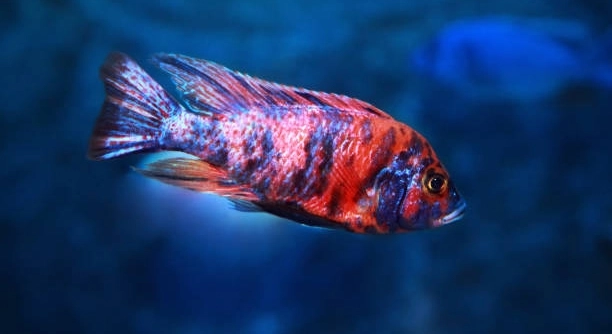
New cichlids need careful attention when introduced to a new tank to avoid stress and illness. Proper quarantining is essential for their health and for protecting your existing fish from potential diseases. This article offers practical tips to help you through this process.
Quarantining new cichlids involves isolating them in a separate tank for a set period, monitoring water quality and fish behavior, and performing regular health checks. This prevents the spread of disease and allows for early treatment if needed.
Following these tips will help ensure your cichlids stay healthy and adjust smoothly to their new environment. Taking these precautions benefits both your new fish and your established aquarium community.
Setting Up a Quarantine Tank
Creating a proper quarantine tank is the first step when bringing new cichlids home. Use a small, separate aquarium with basic filtration and a heater to keep the water stable. Avoid adding decorations or substrate, which can trap harmful bacteria or parasites. Keep the water clean with regular changes and maintain stable temperature and pH levels. The tank should be placed in a quiet area to reduce stress on the fish. Monitor your cichlids daily for signs of illness or unusual behavior, such as lethargy or loss of appetite. A quarantine tank helps isolate any health issues before introducing new fish to your main aquarium. This precaution can save you from costly treatments and protect your existing fish from diseases.
Keep equipment dedicated to the quarantine tank to avoid cross-contamination between tanks.
A well-maintained quarantine tank ensures new cichlids acclimate slowly, reducing stress and illness risks. It also allows for early detection of parasites or infections, improving your chances of successful treatment before mixing with other fish.
Monitoring and Health Checks
Daily observation during quarantine is essential to catch problems early. Look for changes in color, swimming patterns, and appetite. These signs may indicate stress or disease. Quarantine periods usually last at least two weeks, but this can vary depending on the species and symptoms. Be ready to treat any issues promptly with appropriate medications. Keep water parameters stable, and test regularly to avoid adding stress from poor conditions.
Regular health checks help prevent the spread of illness in your aquarium.
During the quarantine, gently examine your cichlids for external parasites, wounds, or unusual growths. Use a net or small container to observe them closely without causing harm. If you notice signs of ich, fin rot, or other infections, start treatment immediately. Healthy fish will show bright colors, alert behavior, and consistent eating habits. Proper quarantine helps protect your entire aquarium community by catching and addressing health problems early, ensuring your cichlids have the best start in their new environment.
Maintaining Water Quality
Keeping water quality high in the quarantine tank is critical for your cichlids’ health. Frequent water changes help remove waste and toxins that can build up quickly in smaller tanks.
Regular testing for ammonia, nitrite, nitrate, and pH is necessary. Ammonia and nitrite should always be at zero, while nitrate must be kept low through water changes. Use a reliable test kit and monitor levels at least twice a week. Avoid overfeeding, as leftover food can pollute the water and stress the fish. Clean the filter media gently to preserve beneficial bacteria but avoid full replacements that disrupt the tank’s balance. Stable water parameters reduce stress and help fish recover from any illness more quickly.
Besides chemical balance, ensure the temperature remains consistent. Sudden changes can shock your cichlids. Using a heater with a thermostat and keeping the tank away from drafts or direct sunlight will protect water quality and fish wellbeing.
Feeding During Quarantine
Feeding new cichlids in quarantine requires attention to both quantity and quality. Offer small, frequent meals to prevent overfeeding and reduce waste buildup. High-quality pellets or flakes designed for cichlids provide balanced nutrition. Supplement their diet with frozen or live foods, such as brine shrimp or bloodworms, to encourage natural feeding behavior and boost immunity.
Observe how much your fish eat at each feeding. Remove any uneaten food quickly to maintain water quality. Feeding too much can lead to water pollution, which stresses the fish and encourages disease. Adjust portions if appetite changes, especially if illness appears.
During quarantine, avoid drastic diet changes to prevent further stress. Once the fish settle in and show consistent eating habits, you can gradually introduce new foods. A careful feeding routine supports recovery and prepares your cichlids for a healthy transition to their permanent tank.
Avoiding Cross-Contamination
Keep tools and equipment used in the quarantine tank separate from those in your main aquarium. This reduces the risk of transferring pathogens or parasites between tanks.
Always wash your hands before and after handling fish or equipment to maintain hygiene and protect both tanks.
Using Medication When Needed
Medication should only be used if signs of illness appear during quarantine. Common treatments include anti-parasitic and antibacterial medicines. Follow dosage instructions carefully to avoid harming your fish.
Monitor fish closely during treatment and continue observing after medication ends to ensure full recovery.
Gradual Acclimation Process
Before moving new cichlids to the main tank, slowly adjust them to the water conditions. This reduces shock and helps fish adapt comfortably to their new environment.
Introduce them gently, avoiding sudden changes in temperature, pH, or hardness for the best results.
FAQ
How long should I quarantine new cichlids?
Quarantine usually lasts about two to four weeks. This period allows you to monitor your fish for signs of illness and ensure they adjust to the new environment. Some diseases may take time to appear, so keeping new cichlids separated during this time reduces risks to your main tank.
What signs of illness should I watch for?
Look for changes in behavior, such as lethargy, loss of appetite, or unusual swimming patterns. Physical signs include faded colors, spots, fin damage, or swelling. Early detection is key to treating problems before they spread.
Can I use medication preventively?
Preventive medication is generally not recommended because it can stress fish and disrupt their natural balance. Instead, focus on proper quarantine, clean water, and observation. Use medicine only when signs of disease appear.
How often should I change water in the quarantine tank?
Change about 25-50% of the water every two to three days. This keeps toxins low and water fresh, which helps your fish stay healthy. Make sure replacement water is treated and matches the temperature and parameters of the tank.
Should I add decorations or plants in the quarantine tank?
It’s best to keep the quarantine tank simple with no substrate or decorations. This makes cleaning easier and prevents hiding spots for parasites or bacteria. If you want, add a small artificial plant or smooth rock for shelter, but avoid live plants unless they are quarantined too.
Can I quarantine multiple fish together?
Yes, but only if they are similar in size and temperament. Overcrowding increases stress and waste, which can lead to illness. Make sure the tank is large enough and watch for signs of aggression.
How do I acclimate cichlids after quarantine?
Gradually introduce them to your main tank’s water by mixing tank water with their quarantine water over several hours. This helps them adjust to new conditions and reduces shock. Once acclimated, gently release them into the main tank.
What equipment should I use exclusively for quarantine?
Use separate nets, siphons, and other tools to prevent cross-contamination. Keeping equipment dedicated to the quarantine tank helps stop the spread of disease between tanks.
Is quarantine necessary for all new cichlids?
While it might seem inconvenient, quarantine is highly recommended for every new fish. It protects your existing fish and gives newcomers a healthier start.
How can I reduce stress during quarantine?
Keep the quarantine tank in a quiet area away from loud noises and bright lights. Maintain stable water conditions and avoid sudden changes. Feed small amounts regularly and handle fish gently.
What if I notice illness during quarantine?
Isolate the affected fish if possible and begin appropriate treatment immediately. Continue monitoring all fish closely. If symptoms persist, consult a vet or aquatic specialist for advice.
Can I reuse quarantine water for my main tank?
It’s best not to reuse quarantine water, as it may contain pathogens. Dispose of it safely and use fresh, treated water when doing water changes in your main tank.
How do I clean the quarantine tank without harming beneficial bacteria?
Avoid full cleaning that removes all filter media. Instead, rinse filter components gently in tank water to keep helpful bacteria alive. Clean the tank walls and equipment regularly to reduce buildup without disturbing the biological balance.
What temperature should the quarantine tank be?
Maintain the quarantine tank temperature close to the main tank’s temperature, usually between 75-80°F (24-27°C), depending on the cichlid species. Sudden temperature shifts can stress the fish, so use a reliable heater with a thermostat.
Can quarantine prevent all diseases?
Quarantine significantly reduces risks but cannot guarantee complete prevention. Some diseases can have long incubation times or come from contaminated food or plants. Still, it’s the best defense to protect your aquarium’s health.
Quarantining new cichlids is an important step that should not be overlooked. It helps protect both your new fish and the ones already living in your aquarium. By isolating new arrivals in a separate tank, you give yourself the chance to observe them closely and catch any signs of illness early. This process reduces the risk of disease spreading to your established fish and keeps your whole tank healthier. Taking the time to quarantine may feel like extra work, but it saves effort and worry in the long run.
Setting up a quarantine tank is straightforward, and maintaining good water quality is essential for the health of your cichlids during this period. Frequent water changes, monitoring water parameters, and keeping the environment stable all contribute to minimizing stress. Stress weakens fish and makes them more vulnerable to sickness, so creating a calm, clean space is key. Along with watching their behavior and appearance, paying attention to feeding habits and treating any problems early can make a big difference. This careful care supports your fish’s immune system and helps them adapt to their new surroundings.
Once your cichlids finish their quarantine and show no signs of illness, gradual acclimation to the main tank is important. Sudden changes can shock fish, so slowly introducing them to the water conditions and environment of your display tank will help them settle in more comfortably. Quarantine is a simple but effective way to start your fish off on the right foot. Keeping these steps in mind ensures a healthier, happier aquarium where your cichlids can thrive over time.

Hello,
If you enjoy the content that we create, please consider saying a "Thank You!" by leaving a tip.
Every little bit helps us continue crafting quality advice that supports the health, happiness, and well-being of pets around the world, for pets of all shapes, sizes, and species.
We really appreciate the kindness and support that you show us!