
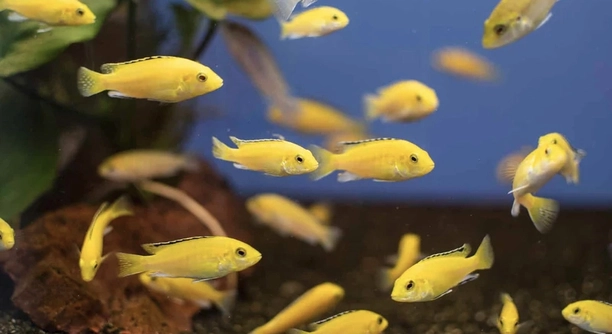
Cichlids are popular fish kept by many hobbyists for their vibrant colors and lively behavior. Caring for them properly helps keep them healthy and happy in home aquariums. However, some common mistakes can lead to illness and stress in these fish.
Several mistakes can cause cichlids to become sick, including poor water quality, improper diet, overcrowding, lack of hiding spaces, incorrect temperature, insufficient filtration, and infrequent tank maintenance. Addressing these issues is crucial for preventing disease and promoting strong fish health.
Recognizing these mistakes early can improve your fish’s well-being and help you create a stable, thriving aquarium environment.
Poor Water Quality
Poor water quality is one of the main reasons cichlids get sick. If the water has high levels of ammonia, nitrites, or nitrates, it can stress the fish and weaken their immune system. Dirty water also encourages harmful bacteria and parasites to grow. Regular water testing and partial water changes are necessary to keep the water clean. It’s important to remove uneaten food and waste because they break down and pollute the tank. Using a good filtration system helps keep water clear and safe. Proper water parameters vary depending on the cichlid species, so knowing the right pH, hardness, and temperature for your fish is key to maintaining good water quality. Without these steps, cichlids become vulnerable to diseases and infections.
Monitoring water parameters regularly and performing weekly water changes can prevent most health problems caused by poor water quality.
Maintaining clean, stable water conditions is essential for your cichlids’ health. It supports their immune system and encourages natural behavior. Taking time to test the water and clean the tank prevents many common illnesses, ensuring your fish stay active and colorful.
Improper Diet
Feeding cichlids an unbalanced diet can lead to health problems. Many people feed only flakes or pellets, but cichlids need a mix of proteins, vegetables, and occasional treats. Too much food or the wrong type causes digestive issues and weakens their immune response. Feeding live or frozen foods, like brine shrimp or bloodworms, adds important nutrients. Vegetables like spinach or peas provide fiber and help with digestion. Overfeeding should be avoided because leftover food pollutes the water. A balanced diet supports strong growth and vibrant colors, improving overall health.
It’s important to research the specific dietary needs of your cichlid species and provide variety to keep them healthy and thriving.
Choosing the right food means your cichlids will be more energetic and resistant to disease. Feeding them according to their needs helps prevent obesity and malnutrition. A varied diet not only nourishes but also keeps your fish interested and active, making tank life better for everyone.
Overcrowding
Overcrowding in the tank stresses cichlids and increases disease risk. It reduces oxygen levels and causes aggression among fish.
Too many fish in a small tank lead to competition for food and space. This stress weakens their immune systems, making them more vulnerable to illness. Overcrowding also causes waste to build up quickly, worsening water quality. Maintaining the right fish-to-water ratio is essential. It allows each fish enough room to swim and reduces fights. Proper space helps keep your cichlids calm and healthy.
Providing enough space prevents unnecessary stress and helps maintain clean water. When fish have room to establish territories, they show natural behavior and are less likely to injure each other.
Incorrect Temperature
Cichlids need stable temperatures to stay healthy. Sudden changes or extremes can cause stress or disease.
Temperature affects fish metabolism and immune function. Most cichlids prefer water between 75°F and 82°F, but specific species may vary. If the water is too cold, their immune system slows down, increasing infection risks. Too warm water lowers oxygen levels, which can suffocate fish. Using a reliable heater and thermometer helps maintain consistent temperature. Avoid placing tanks near windows or vents where temperatures fluctuate. Consistent warmth helps cichlids stay active, eat well, and resist illness.
Proper temperature control supports fish well-being and prevents stress-related diseases. It also keeps beneficial bacteria in the filter working efficiently, ensuring a healthier tank environment.
Lack of Hiding Spaces
Cichlids need places to hide to feel safe. Without hiding spots, they become stressed and aggressive. Stress lowers their immunity, making them more likely to get sick.
Adding rocks, plants, or decorations creates secure areas. This helps reduce fights and promotes natural behavior. Providing hiding spaces improves fish health and tank harmony.
Insufficient Filtration
Good filtration is essential to remove waste and keep water clean. Without proper filtration, toxins build up quickly and harm cichlids. A strong filter supports stable water quality, which prevents many common diseases and keeps fish healthy over time.
Infrequent Tank Maintenance
Skipping regular tank cleaning lets harmful waste accumulate. This harms water quality and stresses cichlids. Routine maintenance, including partial water changes and substrate cleaning, is crucial for fish health.
How often should I test my aquarium water to keep cichlids healthy?
Testing aquarium water once a week is usually enough for most cichlid tanks. Regular checks help catch harmful changes in ammonia, nitrite, nitrate, pH, and hardness early. If you notice your fish acting stressed or sick, test more often. Keeping a consistent schedule prevents sudden water quality problems and supports stable tank conditions, which cichlids need to stay healthy.
What is the best diet for cichlids to avoid sickness?
A balanced diet includes high-quality pellets or flakes made for cichlids, supplemented with live or frozen foods like brine shrimp, bloodworms, or daphnia. Adding vegetables such as peas, spinach, or zucchini provides fiber and helps digestion. Avoid overfeeding by giving only what your fish can eat in a few minutes, once or twice daily. Variety and moderation keep cichlids strong and reduce digestive issues.
Can overcrowding cause illness in cichlids?
Yes, overcrowding creates stress, aggression, and poor water quality, all of which weaken fish immune systems. Crowded tanks increase waste buildup and lower oxygen levels, making disease outbreaks more likely. Providing enough space for each cichlid reduces stress, supports natural behavior, and helps maintain good water conditions.
How do I know if my tank temperature is right for cichlids?
Most cichlids prefer temperatures between 75°F and 82°F (24°C to 28°C). Use a reliable aquarium heater and thermometer to maintain stable temperatures. Avoid sudden changes by placing the tank away from drafts, heaters, or windows. Watch your fish for signs of stress like lethargy or loss of appetite, which can indicate temperature problems.
What are good hiding places for cichlids?
Natural or artificial caves, rock formations, and dense plants work well. Hiding spots help cichlids reduce stress and establish territories. Use aquarium-safe materials that won’t alter water chemistry. Creating enough secure areas prevents fights and supports healthier, calmer fish.
How important is filtration for preventing cichlid illness?
Filtration is critical to remove toxic waste and keep water clear. A strong filter supports beneficial bacteria that break down harmful substances. Without proper filtration, ammonia and nitrites build up quickly, stressing fish and causing sickness. Choose a filter rated for your tank size and clean it regularly to maintain peak performance.
What maintenance tasks help keep cichlids healthy?
Perform weekly partial water changes of 20-30% to remove waste and refresh water. Clean the substrate using a gravel vacuum to remove uneaten food and debris. Rinse filter media in tank water (not tap water) to preserve beneficial bacteria. Regular maintenance keeps water parameters stable and prevents illness.
Can I treat sick cichlids without removing them from the tank?
In mild cases, adding medication to the main tank can work, but it may stress healthy fish and disrupt beneficial bacteria. Quarantining sick fish in a separate tank for treatment is safer and more effective. This prevents spreading disease and helps maintain a healthy main tank environment.
Why do my cichlids hide more than usual?
Excessive hiding can mean stress, poor water quality, or illness. Check water parameters and look for signs like clamped fins, loss of appetite, or unusual swimming. Providing hiding places is good, but sudden changes in behavior should be addressed quickly to prevent health issues.
How can I reduce aggression in cichlids?
Providing enough space, hiding spots, and keeping compatible species together helps reduce aggression. Avoid overcrowding and maintain good water quality. Feeding regularly and ensuring no fish feels threatened can prevent fights. Aggression causes stress, which weakens fish immunity and increases disease risk.
Caring for cichlids requires attention to several important details to keep them healthy and happy. Avoiding common mistakes like poor water quality, improper diet, and overcrowding is essential. These problems stress the fish and make them more likely to get sick. Taking the time to maintain clean water, feed a balanced diet, and provide enough space will help your cichlids live longer and show their best colors. Small changes in how you care for them can make a big difference in their well-being.
Another key part of cichlid care is keeping the tank environment stable. This means maintaining the right temperature, adding hiding places, and using a good filtration system. Sudden changes or unstable conditions cause stress, which weakens their immune system. When cichlids feel safe and comfortable, they are less likely to develop health issues. Regular tank maintenance, like water testing and cleaning, also helps prevent diseases. It may seem like extra work, but it will pay off by keeping your fish healthy.
Finally, watching your cichlids carefully can help catch problems early. If you notice unusual behavior or signs of illness, act quickly to find the cause. Treating diseases early and making adjustments in care can save your fish from serious health problems. By following these simple steps and avoiding common mistakes, you create a better home for your cichlids. This care will allow you to enjoy their beauty and lively personalities for years to come.

Hello,
If you enjoy the content that we create, please consider saying a "Thank You!" by leaving a tip.
Every little bit helps us continue crafting quality advice that supports the health, happiness, and well-being of pets around the world, for pets of all shapes, sizes, and species.
We really appreciate the kindness and support that you show us!