
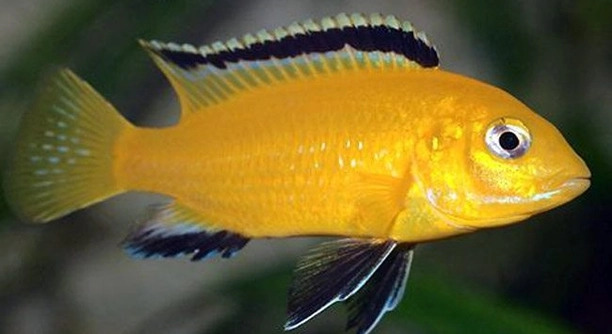
Many fish owners struggle with aggressive behavior in their tanks. Aggression can cause stress and harm among fish. Making small changes to the tank’s decor can help create a calmer environment for them.
Adjusting the tank decor by adding hiding spots, reducing open swimming areas, and choosing calming colors can significantly lower fish aggression. These swaps provide fish with security and reduce territorial disputes, promoting a peaceful aquarium setting.
Understanding simple decor changes can improve your tank’s atmosphere and the well-being of your fish. These swaps can make a real difference in how your fish behave.
Add More Hiding Spots
Aggressive fish often feel threatened when they lack places to hide. Adding caves, plants, or decorations with small openings can give them a sense of security. When fish have places to retreat, they are less likely to chase or nip at tank mates. Natural-looking decor such as driftwood or rock formations works well and can also improve the tank’s appearance. Avoid overcrowding the tank, but try to create enough hiding spots so every fish can claim a space. Plants, whether real or artificial, also help break up sight lines, reducing territorial fights. This simple change often calms down aggressive behavior quickly.
Creating more hiding spots can reduce stress and make fish feel safe in their environment.
Decorating with extra shelters encourages peaceful coexistence by providing personal space for each fish. This prevents constant conflicts and keeps aggression in check.
Use Calming Colors
Soft, natural colors in the tank decor help calm fish. Bright or reflective surfaces can excite fish, making them more aggressive. Muted tones like blues, greens, and browns mimic their natural habitats, encouraging relaxed behavior. Avoid flashy decorations that draw too much attention or cause reflections, which can confuse or irritate fish. Consider using a dark substrate and background to create a peaceful setting that reduces stress and helps fish feel hidden.
Color choices affect how fish perceive their surroundings, impacting their mood and behavior.
Choosing calming colors is a simple but effective way to lower aggression in your aquarium. Blue and green tones create a soothing environment, while neutral shades help fish feel less exposed. These colors also highlight the fish without overwhelming them, improving the tank’s balance. Combined with proper hiding spots, the right colors reduce territorial disputes and promote harmony among species. This approach requires minimal effort but can lead to significant improvements in fish behavior and tank health.
Reduce Open Swimming Space
Too much open space can cause fish to become territorial and aggressive. Limiting these areas helps fish feel more secure and less likely to fight.
Adding plants, rocks, or decorations to break up open areas creates boundaries. These boundaries reduce aggressive chasing by providing visual barriers. Fish tend to claim smaller territories rather than large open zones, which lowers conflict chances. A well-structured tank encourages fish to explore and settle without feeling exposed.
Carefully arranging the tank to minimize wide-open spaces balances freedom with security. This setup encourages calmer interactions by limiting how much fish can see or chase each other. Structured environments make aggressive behavior less frequent, improving overall harmony in the aquarium.
Choose Non-Aggressive Tank Mates
Choosing peaceful species helps reduce overall aggression in your tank. Mixing aggressive and calm fish often causes stress and fights.
When selecting tank mates, pick species with similar temperaments and sizes. Avoid fish known for being territorial or highly aggressive. Peaceful species tend to coexist better and focus more on feeding and exploring than fighting. Researching compatibility is important before adding new fish.
Non-aggressive fish often have slower, calmer movements, which don’t trigger defensive behaviors. By carefully choosing companions, you reduce stress and help maintain a balanced aquarium environment. A harmonious community tank makes caring for fish more enjoyable and less stressful for you.
Use Floating Plants
Floating plants create shaded areas that help reduce stress and aggression. They also break up sight lines, making fish feel less exposed.
These plants provide natural cover without taking up too much space. They soften the tank’s look and create a more comfortable environment for fish.
Avoid Sharp or Rough Decorations
Sharp or rough decorations can injure fish during aggressive encounters. Smooth surfaces reduce the chance of wounds and infections.
Choosing decorations with gentle edges helps keep fish safe and prevents injury-related stress. This simple change supports a healthier, calmer tank environment.
Keep Consistent Lighting
Sudden changes in lighting can startle fish and trigger aggressive behavior.
Maintaining steady, moderate lighting helps fish feel secure. Avoid bright or flickering lights, as these can increase stress and provoke fights. Proper lighting supports a balanced mood in the aquarium.
How can I tell if my fish are aggressive?
Aggressive fish often chase, nip, or bite other fish. You might see torn fins, missing scales, or constant chasing. Signs include fish hiding more than usual or showing bright, flared colors as a warning. Watching how they interact daily helps identify aggressive behavior early.
What causes fish aggression besides decor?
Fish aggression can come from overcrowding, poor water quality, or lack of food. Stress from illness or incompatible tank mates also makes fish more aggressive. Sometimes, certain species naturally show more territorial behavior, especially during breeding seasons.
Will rearranging the tank help reduce aggression?
Yes, rearranging decorations can confuse territorial fish and reset their boundaries. Changing the layout breaks up established territories and reduces fights. It’s helpful to rearrange when adding new fish or if aggression suddenly increases.
Are there specific plants that help calm aggressive fish?
Floating plants like duckweed or water lettuce provide shade and reduce visibility between fish. Tall plants like java fern or anubias create hiding spots. Dense planting helps break sight lines, which lowers aggression by giving fish places to escape or hide.
Can aggressive fish be trained to behave better?
Fish can’t be trained like pets, but their environment influences behavior. Consistent feeding, calm tankmates, and proper decor reduce stress and aggression. Over time, fish may become less hostile if they feel secure and less threatened.
Is it better to separate aggressive fish into another tank?
Sometimes, separating aggressive fish is necessary, especially if injury or stress occurs. A species-only tank or quarantine area can keep aggressive fish from harming others. However, it’s best to try decor and tankmate changes first.
How often should I change the tank decor to keep aggression low?
Frequent changes can stress fish, so avoid rearranging more than once a month. When aggression rises, subtle changes help reset territories. Balance is key—too little change keeps fights, too much causes stress.
Do lighting levels affect fish aggression?
Yes, bright or flickering lights can increase stress and aggression. Soft, steady lighting mimics natural conditions and helps fish stay calm. Using timers for consistent light schedules benefits overall fish behavior.
Can diet impact aggression in fish?
Proper feeding reduces aggression because hungry fish often fight over food. Feeding the right amount and variety keeps fish healthy and less territorial. Overfeeding can also cause problems, so balance is important.
Are certain fish species more aggressive than others?
Yes, species like cichlids and bettas are known for aggression. Community fish like tetras or guppies tend to be peaceful. Knowing each species’ temperament helps in planning a calm tank. Mixing highly aggressive fish with peaceful ones usually causes problems.
How do hiding spots reduce aggressive behavior?
Hiding spots give fish a safe place to retreat, lowering stress and fights. When fish have personal spaces, they don’t need to compete as much for territory. This reduces chasing and biting significantly.
Is it better to have a larger or smaller tank to reduce aggression?
Larger tanks usually reduce aggression by giving fish more space to spread out and claim territories. Small tanks limit space, which can increase fights. However, tank size should match the species and number of fish to avoid overcrowding.
Can tank mates influence aggression levels?
Yes, calm and compatible tank mates reduce overall aggression. Mixing species with similar sizes and temperaments helps maintain peace. Aggressive fish may provoke others, so choosing the right companions is essential.
How important is water quality in managing fish aggression?
Poor water quality stresses fish, increasing aggression. Clean water supports healthy behavior and reduces fights. Regular testing and maintenance prevent stress-related aggression and keep fish comfortable.
What role do breeding habits play in fish aggression?
Many fish become aggressive when breeding to protect eggs or territory. Males may fight more, and some species guard their nests fiercely. Recognizing breeding periods helps manage tank conditions to reduce stress on others.
When managing aggressive fish, small changes can make a big difference. Adjusting tank decor by adding hiding spots, using calming colors, and limiting open swimming space helps fish feel safer. These changes reduce stress and lessen territorial behavior, making the tank a more peaceful place for all its inhabitants. It’s important to remember that fish rely on their environment to feel secure, so thoughtful decoration can support better behavior naturally. Taking time to observe your fish and how they respond to changes will guide you in creating the best setup for their needs.
Choosing the right tank mates also plays a crucial role in calming aggressive fish. Keeping species with similar temperaments and sizes together lowers the chances of fights. Aggressive or territorial fish tend to provoke others, so avoiding these combinations is helpful. Along with compatible companions, regular maintenance like consistent lighting and clean water is key. These factors affect fish mood and health, which directly impact behavior. When fish feel comfortable and stress-free, they are less likely to act out aggressively.
Finally, patience is important when making changes to your aquarium. Aggression does not always disappear immediately after adjustments. Fish may need time to settle into their new environment or accept new tank mates. Avoid sudden or frequent changes that could cause more stress. Instead, make gradual improvements and watch how your fish react. Over time, you will likely see a calmer tank with happier fish. Creating a peaceful aquarium takes care and attention, but the results are rewarding for both the fish and the person caring for them.

Hello,
If you enjoy the content that we create, please consider saying a "Thank You!" by leaving a tip.
Every little bit helps us continue crafting quality advice that supports the health, happiness, and well-being of pets around the world, for pets of all shapes, sizes, and species.
We really appreciate the kindness and support that you show us!