
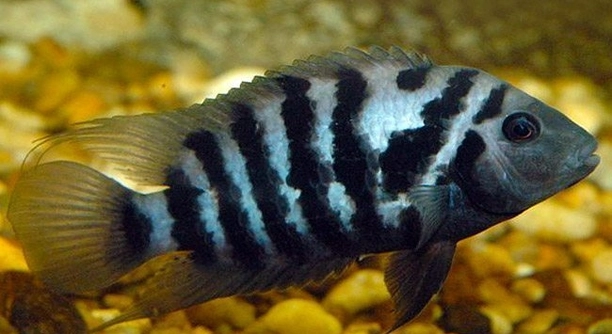
Many people enjoy keeping cichlids as pets and wonder how these fish react to other animals nearby. Understanding how cichlids sense their surroundings can help create a peaceful aquarium environment. Observing their behavior around different pets is important for their well-being.
Cichlids have sensory systems that allow them to detect movement, vibrations, and chemical signals from other pets in their environment. They respond mainly through sight, lateral line sensing, and smell, enabling them to recognize the presence of nearby animals and adjust their behavior accordingly.
Knowing how cichlids sense other pets can improve how you set up your tank and manage interactions. Learning more about their senses helps keep all your pets comfortable and safe.
How Cichlids Use Their Senses to Detect Other Pets
Cichlids rely on several senses to understand what’s happening around them. Their eyesight is sharp, helping them notice movements and colors in the tank. This is especially important when other fish or animals move nearby. Besides sight, cichlids use their lateral line system, which senses vibrations and water pressure changes. This helps them detect movement even if they can’t see the source directly. Another key sense is smell. Cichlids can pick up chemical signals in the water, which can tell them about other animals nearby. Together, these senses create a detailed picture of their environment, helping cichlids react to changes quickly. This ability is useful for avoiding threats or establishing territory when other pets are close. Understanding these senses explains why cichlids might behave differently when new pets are introduced to their tank.
The combination of sight, vibration detection, and smell gives cichlids a clear sense of nearby pets. These senses work together smoothly.
Being aware of how cichlids sense other pets can guide how you introduce new animals to the tank. When a new pet comes close, the cichlid might show curiosity or caution. Because they sense vibrations, sudden movements outside the tank can also make them react. Changes in water chemistry, like those caused by other fish, will be noticed quickly. This means the environment around the tank should be calm to avoid stressing the fish. Also, placing new pets gradually near the tank can help cichlids get used to their presence. Over time, this helps reduce stress and aggressive behavior, making the tank a more peaceful place for everyone.
Signs Cichlids Notice Other Pets Nearby
Cichlids show clear signs when they sense other pets around. They may swim closer to investigate or move away if they feel threatened. These reactions are natural responses to their sensory input.
Watching these signs carefully helps understand your cichlids’ comfort level. You can adjust the tank setup or the timing of introducing new pets. This makes living conditions better for your fish and any other animals nearby.
How Cichlids React to Other Pets
Cichlids often react to other pets based on how they sense them. Their behavior can range from curiosity to aggression, depending on the situation. They might explore or become defensive when new animals approach.
When cichlids notice another pet, they may first observe quietly, using their senses to gather information. If the other pet seems non-threatening, the cichlid might swim closer or display gentle interest. However, if they feel challenged, they can become territorial and show aggressive behaviors such as chasing or flaring their fins. These reactions help cichlids protect their space and resources. Understanding this can help pet owners manage introductions carefully and avoid stress or injury.
In some cases, cichlids may even recognize specific animals after repeated exposure. This recognition can reduce aggressive responses over time. Gradual introductions and a well-planned tank setup support better coexistence between cichlids and other pets. Knowing these reactions helps in creating a balanced and peaceful environment.
Tips for Introducing New Pets Near Cichlids
Introducing new pets near cichlids requires patience and care to avoid stress. Make sure the tank conditions remain stable and avoid sudden changes.
Start by placing new pets outside the tank where cichlids can see but not touch them. This helps the fish get used to the new presence without feeling threatened. Gradually, move the new pet closer or add them slowly to the tank if safe. Monitor cichlids’ behavior closely, watching for signs of stress or aggression. Provide hiding spots and plenty of space to reduce conflicts. Keeping water quality high is also essential during introductions, as stress can weaken the fish’s immune system. Taking these steps increases the chance that cichlids and other pets will live together calmly and safely.
Common Behaviors When Cichlids Sense Other Pets
Cichlids may become alert and swim along the tank edges when they notice other pets. They often watch closely, trying to understand if there is any threat.
Sometimes, cichlids display fin flaring or quick movements. These behaviors signal territorial defense or excitement about the new presence nearby.
How Tank Setup Affects Cichlid Reactions
The design of the tank influences how cichlids respond to other pets. A tank with plenty of hiding spots and plants allows cichlids to feel secure. This reduces stress and aggressive behavior when new animals are near. Open tanks with little cover can increase tension as cichlids have fewer places to retreat. Proper spacing between fish and other pets also lowers the chances of conflict. Careful arrangement creates a calm environment, helping cichlids adjust more easily to new tank mates or animals nearby.
Recognizing Stress in Cichlids
Stress in cichlids can show through loss of appetite, hiding, or erratic swimming. These signs mean the fish may feel threatened or uncomfortable.
FAQ
Can cichlids sense pets outside the tank?
Yes, cichlids can detect pets outside their tank through sight and vibrations. They may notice movements or shadows near the aquarium and react accordingly. Sudden movements or loud noises can startle them, so keeping the area calm helps reduce stress.
Do cichlids get stressed by other pets nearby?
Cichlids can feel stressed if they perceive other pets as threats. Stress signs include hiding, loss of appetite, and rapid swimming. Providing hiding spots and controlling how close other animals get to the tank helps keep stress levels low.
How do cichlids react to new fish introductions?
Cichlids often react cautiously or aggressively to new fish. They may establish territory and chase newcomers. Gradual introductions and plenty of space reduce conflicts. Monitoring behavior closely during this time is important to prevent harm.
Can cichlids recognize other pets over time?
Cichlids can become familiar with certain animals if exposed gradually. Recognition often reduces aggressive responses. However, this depends on the species and individual fish. Patience during introductions is key.
What senses do cichlids use most to detect other pets?
Cichlids rely heavily on their eyesight and lateral line system, which senses water movement and vibrations. Smell also plays a role, helping them detect chemical cues in the water. These combined senses give them a clear picture of nearby animals.
Is it safe to keep cichlids with other types of pets?
It depends on the pets and their behaviors. Many cichlids can coexist peacefully with certain fish or small aquatic animals if space and hiding spots are adequate. Non-aquatic pets outside the tank usually don’t cause harm but can stress fish if they cause sudden noises or movements.
How can I reduce aggression when introducing new pets near cichlids?
Introduce new pets slowly and carefully. Use tank dividers or separate holding tanks to allow fish to see each other without contact first. Add new pets during feeding times to create positive associations. Always provide enough space and cover to prevent fights.
What should I do if my cichlids show signs of stress?
Check water quality and tank conditions first. Make sure there is enough space and hiding places. Reduce loud noises and sudden movements near the tank. If aggression is high, consider separating the fish temporarily. Feeding on schedule and keeping the environment stable helps fish recover.
Can cichlids sense changes in water caused by other pets?
Yes, cichlids detect chemical changes in the water, such as waste or pheromones from other pets. These changes can alert them to the presence of others and influence their behavior. Keeping the tank clean helps reduce unwanted stress from these signals.
How often do cichlids need to adjust to new pets nearby?
Adjustment time varies by fish and tank conditions. Some cichlids adapt within days, while others take weeks. Providing a calm environment and careful introductions speeds up the process. Patience is important to ensure peaceful coexistence.
Cichlids are interesting fish that use their senses to understand what is happening around them. They rely on their eyesight, sense of smell, and a special system called the lateral line to detect other pets nearby. These senses help cichlids know when something new or different is close to their tank. Because of this, they can react in ways that show curiosity, caution, or even aggression. It is important to recognize these reactions so we can better care for them and make sure they feel safe and comfortable in their home.
When new pets come near cichlids, their behavior can change. They might watch the new animals closely or swim away if they feel threatened. Sometimes, they may act more aggressively to protect their space. This is natural for cichlids because they are territorial. The way the tank is set up also affects how they respond. Tanks with plants, rocks, and hiding places allow cichlids to feel more secure. This reduces stress and helps them live peacefully with other pets. Taking time to introduce new pets slowly and carefully is the best way to avoid problems and keep everyone calm.
Keeping cichlids happy means paying attention to how they sense and react to other pets nearby. By knowing their behavior and needs, it is easier to create a peaceful environment. Watching for signs of stress and making adjustments when needed can make a big difference. It is also helpful to keep the tank clean and stable, as changes in water quality can upset cichlids. With patience and care, cichlids can live well alongside other animals, and their natural senses will help them feel at home.

Hello,
If you enjoy the content that we create, please consider saying a "Thank You!" by leaving a tip.
Every little bit helps us continue crafting quality advice that supports the health, happiness, and well-being of pets around the world, for pets of all shapes, sizes, and species.
We really appreciate the kindness and support that you show us!