
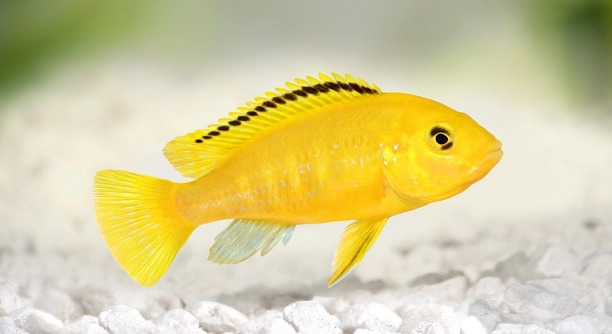
Cichlids are popular aquarium fish known for their lively behavior. Many fishkeepers notice these fish often picking at the sand in their tanks. This action can seem strange but is quite common among cichlids.
Cichlids pick at the sand mainly to search for food particles and to explore their environment. This behavior also helps them clean their gills and maintain natural instincts related to feeding and territory. It is a normal and healthy activity for them.
Understanding why cichlids engage in this behavior can help you better care for your aquarium. It also offers insight into their natural habits and needs, improving your fish’s well-being overall.
Why Cichlids Pick at the Sand
Cichlids often pick at the sand because it is part of their natural behavior. In the wild, they sift through the substrate to find small insects, larvae, and other edible particles. This instinct helps them get nutrients and keeps them active. When they pick at the sand in an aquarium, they mimic this searching behavior even if food isn’t always present. Some species also use this action to mark their territory or create spaces for breeding. The sand offers a tactile environment that encourages this digging and sorting. Watching this behavior can be quite interesting since it shows how closely cichlids stick to their natural habits. It also helps prevent boredom and stress, which are common in confined spaces. Ensuring your tank has the right type of substrate and enough hiding spots can support this behavior in a healthy way.
This digging also helps cichlids keep their environment clean by uncovering debris or uneaten food. It’s a way they maintain their space.
By knowing why cichlids pick at sand, you can create a tank setup that meets their needs. This means choosing a fine sand substrate that won’t harm their mouths. Adding plenty of rocks and plants lets them explore safely. You can also feed bottom-dwelling foods to keep their natural foraging habits satisfied. Sometimes, this behavior increases when fish are stressed or not getting enough stimulation, so monitoring tank conditions is important. Maintaining clean water and a balanced diet helps reduce excessive digging. Cichlids’ natural habits are part of what makes them fun to watch, and respecting these behaviors leads to healthier fish and a more enjoyable aquarium.
Sand Types and Their Impact
Not all sand is the same, and some can affect your cichlids differently. Fine, smooth sand is best for them.
Choosing the right sand is crucial because rough or sharp sand can injure cichlids’ mouths and gills. Many cichlid species have delicate lips designed for sifting through soft substrates. Coarse sand or gravel can cause abrasions or infections, especially if they pick at it often. Using aquarium-specific sand that mimics their natural habitat can improve their health and comfort. Additionally, sand can affect water quality. Some sands change the water’s pH or hardness, which might stress the fish. It’s important to pick a substrate that suits your cichlid species and your tank’s conditions. Proper substrate supports natural behavior, helps with biological filtration, and contributes to the overall balance of the aquarium. Taking time to research and select the right sand can make a big difference in how your cichlids thrive.
Feeding Habits and Sand Picking
Cichlids often pick at sand because they are searching for food. This natural behavior helps them find small bits of leftover food or natural particles in their environment. It keeps them active and mentally engaged.
Feeding cichlids properly can reduce excessive sand picking. If they feel hungry or bored, they may dig more to find food. Offering sinking pellets or frozen foods that reach the bottom helps satisfy their foraging instincts. Feeding smaller amounts multiple times a day is better than one large meal. It encourages natural behavior without stress. Also, avoid overfeeding, as leftover food can pollute the tank and encourage unwanted digging. Balanced nutrition keeps them healthy and less likely to dig aggressively at the substrate.
Some cichlids sift through sand to clean their mouths and gills, which is part of their normal feeding process. This means they move sand through their mouths to filter out food, which looks like constant picking. Understanding this helps you see that the behavior is natural and important for their feeding. Providing the right diet and substrate keeps them happy and healthy.
Stress and Environmental Factors
Stress often causes cichlids to pick at the sand more frequently. Poor water quality, overcrowding, or lack of hiding places increase stress levels. This leads to restless behavior.
Maintaining stable water parameters is crucial to reduce stress in cichlids. Frequent water changes, proper filtration, and suitable tank mates create a calm environment. Cichlids need space and places to hide to feel secure. Overcrowded tanks or aggressive neighbors can trigger more digging as a stress response. Monitoring their behavior and adjusting tank conditions helps prevent this problem. Sometimes, sand picking is a sign that something in the tank needs to change, so paying attention to these cues is important for their well-being.
Breeding Behavior and Sand Picking
During breeding, cichlids often pick at the sand to create nests or clear spaces for eggs. This behavior helps prepare a safe environment for their offspring. It’s a natural part of their reproductive process.
Mouthbrooders may also dig to find hiding spots for their young or to protect territory. This digging can become more intense during this time, showing their protective instincts and care for their fry.
Preventing Excessive Sand Picking
Providing a well-balanced diet and enriching the tank environment can reduce excessive sand picking. Regular feeding with varied food lowers stress and keeps fish satisfied. Adding plants, rocks, and hiding spots gives them mental stimulation.
Tank Maintenance Tips
Regular cleaning of the substrate helps prevent buildup of waste and uneaten food. Vacuuming the sand carefully without disturbing the fish too much keeps the tank healthy and reduces unnecessary digging caused by debris.
Signs to Watch For
If sand picking becomes aggressive or causes injuries, it may indicate stress or illness. Monitoring behavior closely helps identify when intervention is needed to protect your cichlids’ health.
FAQ
Why do my cichlids pick at the sand so often?
Cichlids pick at the sand mainly to search for food and explore their environment. This is natural behavior that helps them stay active and healthy. Sometimes, they also dig to create nests or defend territory. If they pick excessively, it could be a sign of stress or lack of stimulation.
Is it normal for cichlids to move large amounts of sand?
Yes, many cichlids naturally move sand as part of their digging or nesting habits. Some species are known for rearranging their tanks regularly. This behavior is usually harmless unless it causes damage to plants or decorations.
Can picking at sand harm my cichlids?
Picking at sand is generally safe if you use soft, fine sand made for aquariums. Rough or sharp sand can injure their mouths or gills. Always choose a substrate that matches your cichlid species’ needs to avoid harm.
How can I reduce excessive sand picking?
Ensure your cichlids are fed a balanced diet with bottom-feeding food like sinking pellets. Provide plenty of hiding places and decorations for stimulation. Regular water changes and proper tank conditions also help reduce stress-related digging.
Does the type of sand affect my cichlids’ behavior?
Yes, sand texture and composition can influence how much your cichlids pick at it. Soft, smooth sand encourages natural digging, while rough sand may discourage it or cause injuries. Also, some sands can affect water chemistry, so choose carefully.
Is sand picking related to breeding behavior?
Often, yes. Many cichlids dig and move sand to prepare nests or clear areas for laying eggs. This behavior intensifies during breeding seasons and is a good sign that your fish are comfortable in their environment.
Can stress cause my cichlids to dig more than usual?
Stress from poor water quality, overcrowding, or aggressive tank mates can increase digging. Cichlids may pick at sand more as a nervous or restless behavior. Improving tank conditions usually helps calm them down.
Should I be worried if my cichlids uproot plants while digging?
It’s common for digging cichlids to disturb plants or decorations. Use hardy plants that can tolerate some disturbance or secure plants well. If uprooting becomes excessive, try adding more hiding spots or rearranging the tank.
How often should I clean the sand in my cichlid tank?
Regular substrate cleaning is important to remove waste and leftover food. Vacuum the sand every few weeks, but avoid disturbing the fish too much. Proper cleaning helps reduce the chance of excess digging caused by debris buildup.
Can digging at sand cause water quality problems?
Digging can stir up debris and cause temporary cloudiness, but it usually doesn’t harm water quality if you maintain the tank well. Excessive digging might release trapped detritus, so regular water changes and cleaning are essential to keep water clear and healthy.
What kind of food helps reduce digging?
Bottom-feeding foods like sinking pellets, frozen bloodworms, or brine shrimp satisfy their natural foraging instincts. Feeding smaller amounts multiple times a day keeps them engaged and reduces the urge to dig for food in the substrate.
Is it okay to have other fish with digging cichlids?
It depends on the species and tank size. Some cichlids are aggressive and territorial, especially when digging or breeding. Choose compatible tank mates and give enough space to prevent stress and fights.
Can I use gravel instead of sand for cichlids?
Some cichlids prefer sand because it’s easier for them to sift through. Gravel can be too rough or large, making digging uncomfortable or harmful. Research your species’ natural habitat to decide on the best substrate.
How do I know if my cichlids are stressed?
Signs include constant digging, hiding, loss of appetite, or aggressive behavior. Poor water conditions, overcrowding, or lack of stimulation can cause stress. Monitoring behavior and tank health is key to keeping cichlids comfortable.
Can adding plants reduce sand picking?
Yes, plants provide hiding places and mental stimulation. They help distract cichlids from excessive digging and improve tank aesthetics. Choose sturdy plants that tolerate digging or use artificial ones if needed.
Is sand picking a sign of boredom?
Sometimes. If cichlids lack stimulation or have too much empty space, they may dig out of boredom. Adding decorations, plants, and varied feeding can help keep them occupied.
Should I worry if my cichlids swallow sand?
Swallowing small amounts of fine sand is normal during feeding and digging. However, avoid coarse or sharp sand to prevent internal injury. If fish show signs of distress or illness, consult a vet or aquarium expert.
Does tank size affect sand picking behavior?
Smaller tanks may increase stress and limit natural behaviors, potentially leading to more digging. Larger tanks with enough space and hiding spots reduce stress and help maintain healthy behaviors.
What else can I do to encourage healthy sand picking?
Provide an environment that mimics their natural habitat with appropriate substrate, plenty of hiding spots, and varied diet. Regular maintenance and monitoring ensure they stay active without harmful digging.
Cichlids picking at the sand is a natural behavior that reflects their instincts and needs. They do this to search for food, explore their surroundings, and sometimes prepare spaces for breeding. Watching them sift through the substrate can be interesting because it shows a side of their nature that comes from their wild environment. Understanding this behavior helps us care for them better and make sure they live in a comfortable and healthy space. It also reminds us that even in an aquarium, these fish keep many of their natural habits, which are important for their well-being.
To support healthy sand picking, it is important to provide the right kind of substrate and tank setup. Soft, fine sand is best for cichlids since it prevents injury and allows them to dig comfortably. Adding plants, rocks, and hiding spots gives them mental stimulation and reduces stress. Proper feeding with sinking foods and a balanced diet also plays a big role. When fish are well-fed and not stressed, they tend to pick at the sand less out of need and more as a natural activity. Keeping the tank clean through regular maintenance helps prevent leftover food and waste from building up in the sand, which can cause more digging and water problems.
Overall, observing cichlids picking at the sand can be a sign that your fish are active and healthy. However, it is important to watch for changes in their behavior that might indicate stress or illness. Adjusting tank conditions, feeding habits, and environment can help keep them comfortable and reduce any excessive digging. Taking the time to learn about these behaviors and meeting their needs creates a better home for your cichlids and makes caring for them more rewarding. Their digging is just one way they show their natural personality, and respecting that helps them thrive in captivity.

Hello,
If you enjoy the content that we create, please consider saying a "Thank You!" by leaving a tip.
Every little bit helps us continue crafting quality advice that supports the health, happiness, and well-being of pets around the world, for pets of all shapes, sizes, and species.
We really appreciate the kindness and support that you show us!