
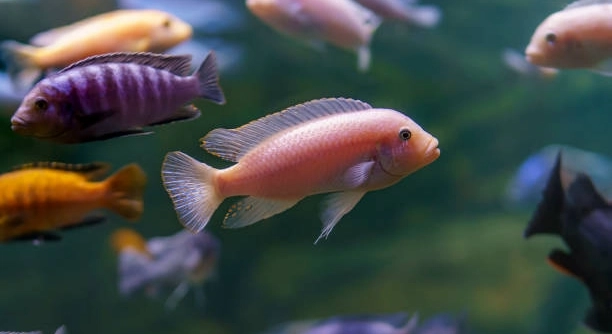
Many cichlid owners enjoy keeping these colorful fish healthy and vibrant in their aquariums. Sometimes, parasites can quietly affect cichlids without obvious signs at first. Recognizing early symptoms is important for their care and well-being.
Parasites in cichlids can cause visible changes such as spots, abnormal behavior, and poor appetite. These signs often indicate an underlying infection that requires prompt attention to prevent serious health decline or loss of the fish.
Learning to spot these warning signs helps maintain a healthy environment for your cichlids and ensures they thrive in your aquarium.
Changes in Color and Skin Appearance
One of the first signs that your cichlid may have parasites is a change in its color or skin texture. Healthy cichlids usually have bright, vibrant colors, but infected fish might look dull or faded. You might notice white spots, redness, or patches that seem unusual. These spots can be tiny and hard to see at first, but they usually spread over time. Sometimes, the skin may look inflamed or have ulcers. These changes happen because parasites irritate the fish’s skin or attach themselves to it. Paying close attention to your cichlid’s appearance daily can help catch these signs early. Quick action often makes treatment easier and more effective, improving your fish’s chances of recovery.
Discoloration and visible marks often indicate the presence of parasites affecting your cichlid’s skin health.
Early detection of skin changes allows for timely treatment. Keeping the aquarium clean and stable in temperature can prevent parasites from spreading. If you notice any unusual marks, consider isolating the affected fish to avoid contamination. Treating the tank and maintaining good water quality supports recovery. Regular observation and care reduce stress, helping your cichlids stay strong against infections.
Abnormal Behavior and Movement
When cichlids are infected with parasites, they may act differently than usual. You might see them scratching against rocks or decorations in the tank. This behavior, called flashing, happens because parasites cause irritation. The fish may also swim awkwardly, lose balance, or seem lethargic. Some cichlids stop eating or hide more than normal. These changes in activity can signal an internal or external parasite problem. Observing your fish’s behavior daily helps you notice these subtle signs early. Behavioral changes often appear before physical symptoms, so don’t overlook unusual actions. Early treatment improves the chances of curing the infection and restoring your cichlid’s normal habits.
Loss of Appetite and Weight Loss
When parasites infect cichlids, they often stop eating or eat less than usual. This lack of appetite can lead to noticeable weight loss over time. It’s important to monitor how much your fish is eating daily.
Weight loss occurs because parasites compete for nutrients or damage the digestive system. Even if food is available, the fish might not absorb nutrients properly. This weakens their immune system and slows down recovery. If your cichlid refuses food for several days, consider checking for parasites. Prompt treatment can help restore appetite and prevent further health decline. Feeding smaller, more frequent meals can sometimes encourage eating while the fish recovers.
Proper nutrition is vital during treatment. Maintaining clean water and reducing stress supports healing. Observing your fish’s eating habits regularly helps catch problems early before they become severe.
Rapid Gill Movement or Breathing Difficulties
Parasites can irritate the gills, causing your cichlid to breathe rapidly or appear short of breath. You may notice the fish opening its mouth frequently or gasping at the surface.
Gill parasites damage the delicate gill tissue, reducing the fish’s ability to absorb oxygen efficiently. This forces the cichlid to work harder to breathe. If untreated, this can cause serious stress or even death. Rapid gill movement is a clear sign that your fish is struggling with oxygen intake. Observing your fish closely for breathing problems can help identify this early.
Treatment often involves improving water quality and using medication to eliminate parasites. Oxygenating the water and reducing tank crowding can ease breathing stress. Early intervention helps prevent permanent damage to the gills and supports recovery.
Clamped Fins
Clamped fins happen when a cichlid holds its fins close to its body instead of spreading them out. This can be a sign of stress or illness, often caused by parasites. It’s an early warning that something is wrong.
This behavior reduces the fish’s ability to swim properly and can make it more vulnerable to other problems. Watching for clamped fins can help catch infections early before they worsen.
Excessive Mucus Production
Parasite infections often cause your cichlid to produce extra mucus on its skin and gills. This thick layer helps protect the fish but also indicates irritation. Excess mucus can make the fish look slimy or cloudy.
Visible Worms or Larvae on the Fish
In some cases, you may see actual worms or larvae attached to the fish’s body or fins. These parasites are easy to spot and need immediate treatment.
Spotting visible parasites early can prevent severe health damage and help save your cichlid.
FAQ
What are the most common parasites affecting cichlids?
Common parasites include Ichthyophthirius (Ich), flukes, and various worms. Ich causes white spots on the skin and gills. Flukes attach to gills or skin, causing irritation and breathing difficulties. Worms may be visible on the body or inside the digestive tract. Each parasite affects cichlids differently, but all require prompt attention to avoid severe damage.
How can I prevent parasites in my cichlid tank?
Maintaining clean water and stable conditions is key. Regular water changes and proper filtration reduce parasite risk. Quarantining new fish before adding them to the main tank helps avoid introducing infections. Avoid overcrowding, as stress weakens fish immunity. Feeding a balanced diet supports overall health, making cichlids less vulnerable to parasites.
How do I treat parasites in cichlids?
Treatment depends on the parasite type. Common methods include medicated baths, antiparasitic medications, and improving water quality. Some parasites need specific drugs, so correct identification is important. Isolating affected fish during treatment prevents spreading. Always follow medication instructions carefully and continue treatment for the recommended period to ensure full recovery.
Can parasites cause permanent damage to cichlids?
Yes, parasites can cause lasting harm if untreated. Gill parasites may damage breathing ability, while skin infections can lead to ulcers or secondary bacterial infections. Long-term nutrient loss weakens fish and stunts growth. Early detection and treatment reduce the risk of permanent damage and improve the chances of a full recovery.
How often should I check my cichlids for parasites?
Daily observation is best. Watching for changes in color, behavior, and appetite helps catch problems early. Regular tank maintenance combined with close monitoring can prevent serious outbreaks. Early signs are often subtle, so knowing your fish’s normal habits makes it easier to notice abnormalities quickly.
Are some cichlid species more prone to parasites?
Some species may be more sensitive due to their natural habitat or immune system differences. However, all cichlids can get parasites under poor tank conditions. Stress, water quality, and diet have a bigger impact on susceptibility than species alone. Providing good care reduces risks across all types of cichlids.
Is it safe to use home remedies for parasite treatment?
Home remedies can sometimes help, but they are not always reliable or safe. Incorrect dosages or treatments might stress or harm your fish further. Using proven medications and following expert advice is safer. If you want to try natural options, research thoroughly and monitor your fish closely during treatment.
Can parasites spread to other fish in the tank?
Yes, many parasites easily spread through water or direct contact. This is why isolating infected fish is important. Cleaning the tank and equipment thoroughly after an outbreak prevents reinfection. Keeping a healthy, low-stress environment helps reduce parasite transmission.
How long does it take for cichlids to recover from parasites?
Recovery time varies depending on the parasite and severity. Mild infections might clear in a week with proper treatment. Severe cases can take several weeks and require ongoing care. Supporting your fish with clean water, good nutrition, and stress reduction speeds recovery.
What signs mean it’s time to consult a vet or specialist?
If your cichlid shows worsening symptoms despite treatment, severe breathing issues, or large visible parasites, seek professional help. A vet can diagnose and recommend effective treatment options. Early intervention by a specialist can save your fish’s life and prevent outbreaks in your tank.
Parasites in cichlids can be a serious problem if left unchecked. They often start with small signs that are easy to miss, like changes in color or behavior. That is why careful observation is important for every cichlid owner. Regularly checking your fish for any unusual symptoms helps you catch problems early before they get worse. Early detection allows you to act quickly and give your fish the care it needs. This can prevent a minor parasite issue from turning into a deadly infection.
Keeping a clean and stable environment is one of the best ways to protect your cichlids from parasites. Parasites thrive in poor water conditions, so regular water changes and proper filtration are essential. Avoid overcrowding your tank because too many fish in one space create stress and weaken their immune systems. Feeding your cichlids a balanced diet also plays a key role in keeping them healthy and strong. A healthy fish is better able to fight off infections and recover faster if parasites appear.
If you do notice signs of parasites, don’t wait too long to treat them. Many treatments are available and can be very effective when used correctly. It is important to identify the type of parasite affecting your cichlids to choose the right treatment. Isolating infected fish can help prevent the spread of parasites to others in the tank. Always follow the treatment instructions carefully and keep the water clean during the process. With patience and care, most cichlids can recover fully from parasite infections and go back to living healthy, active lives. Staying informed and attentive will help you keep your aquarium safe and your fish happy.

Hello,
If you enjoy the content that we create, please consider saying a "Thank You!" by leaving a tip.
Every little bit helps us continue crafting quality advice that supports the health, happiness, and well-being of pets around the world, for pets of all shapes, sizes, and species.
We really appreciate the kindness and support that you show us!