
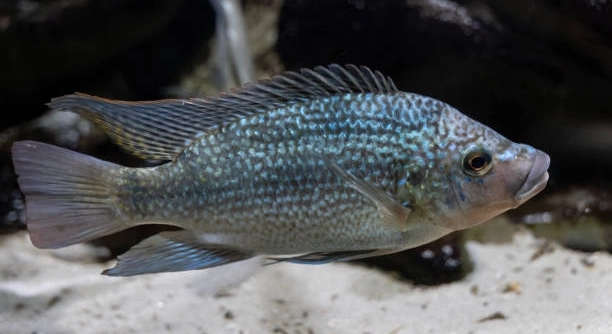
Are your African cichlids more active during the night, or do they prefer daylight hours? Many fish owners want to understand when these colorful fish are most lively. Knowing their activity patterns helps create a better environment for them.
African cichlids are not strictly nocturnal fish. Most species are diurnal, meaning they are active during the day and rest at night. Their behavior depends on species, tank conditions, and feeding schedules, but nighttime activity is usually limited.
Learning about their natural habits can improve how you care for your cichlids and support their well-being in your aquarium. This insight will help you create a more comfortable home for your fish.
Activity Patterns of African Cichlids
African cichlids generally follow a daytime activity schedule. They wake up with the light, exploring their environment, searching for food, and interacting with other fish. These fish have evolved in clear lakes where daytime visibility is important for survival, feeding, and breeding. At night, they usually settle down and rest in safe spots within the tank or their natural habitat. However, some species can show slight variations in behavior. For example, fish living in rocky areas might stay hidden longer during the day and become more active near dawn or dusk. In captivity, their activity can also be influenced by the lighting schedule you maintain. Regular light cycles encourage natural rhythms, which helps the fish stay healthy. Observing your cichlids can reveal their individual patterns, so you can adjust their environment to suit their needs.
Light is a major factor in shaping cichlid activity. Proper day and night cycles keep them healthy and active during appropriate times.
Many fish owners notice their cichlids explore actively when lights are on, but slow down or hide as darkness approaches. Maintaining consistent lighting helps mimic their natural conditions, reducing stress and encouraging normal behavior. Feeding schedules also play a role—fish learn when to expect food and often become more alert around those times. Some species might show brief activity at night if disturbed or if tank lights are turned on unexpectedly. Creating a calm environment with a predictable light cycle supports their well-being. Understanding these patterns helps you provide the best care and keeps your cichlids thriving in their aquarium home.
Nocturnal Behavior in African Cichlids
While most African cichlids are active during the day, a few species exhibit some nocturnal tendencies. These fish might come out more at dusk or dawn, searching for food or defending territory. However, full nighttime activity is rare among African cichlids.
Nocturnal behavior often depends on the fish’s natural habitat and diet. Some cichlids from shaded or deeper waters may adapt to low-light conditions, making them more active in darker periods. These fish rely more on senses other than sight, such as smell or lateral line detection, to navigate and hunt. In an aquarium, these traits may appear as increased movement when lights are dim or off. Understanding which species tend to show these behaviors can help you create the right environment. Providing hiding places and a balanced feeding routine can reduce stress and encourage natural rhythms. While true nocturnal African cichlids are uncommon, acknowledging this behavior helps owners adjust care for individual species needs.
Feeding Habits and Activity
African cichlids mostly feed during the day. They use daylight to search for food, whether it’s algae, small insects, or pellets in an aquarium.
Feeding times often influence when cichlids are most active. Many will gather near the surface or specific tank areas when they expect food. This behavior helps owners recognize their fish’s daily rhythms. In the wild, these fish graze or hunt during daylight hours, relying on clear vision. At night, feeding slows or stops as fish rest to conserve energy. In captivity, consistent feeding schedules support healthy activity patterns and reduce stress. Overfeeding can disrupt these rhythms and lead to health problems.
Some species have adapted to eating less frequently or feeding on food sources available during low light. These cichlids might show brief activity at night if there is leftover food or if their environment changes. Still, the majority stick to daytime feeding habits.
Lighting and Aquarium Setup
Proper lighting is key to maintaining natural behavior in African cichlids. Lights should mimic natural day and night cycles to help regulate their activity.
Too much light can cause stress, while too little may confuse their biological clock. Adjustable lighting allows for gradual changes, supporting comfort. Additionally, providing hiding spots and plants can make cichlids feel safe, encouraging normal day activity and restful nights. Light intensity and duration also affect algae growth, which can impact tank cleanliness and fish health. Balancing these factors keeps the aquarium environment stable and the fish active when they should be. Regular monitoring and adjustment ensure your cichlids stay healthy and behave naturally.
Tank Environment and Behavior
African cichlids need a tank setup that reflects their natural habitat. Rocks, caves, and hiding spots help reduce stress and encourage normal activity.
Without proper shelter, these fish may become shy or overly aggressive. A balanced environment supports healthy social behavior and keeps activity levels stable.
Species Differences in Nocturnal Activity
Not all African cichlids behave the same way. Some species, like those from deeper or shaded lake areas, show more night activity than others. These fish may use senses other than sight to navigate and hunt in low light. Knowing the species you have helps tailor care to their specific behavior patterns. This prevents misunderstandings about why some fish seem more active at unusual times and helps create a better home for them.
Impact of Feeding Schedule Changes
Changing feeding times can alter when cichlids are most active. Regular schedules help keep their activity predictable and stable.
FAQ
Are African cichlids nocturnal fish?
No, African cichlids are mostly active during the day. They are diurnal fish, meaning they swim, feed, and interact when the lights are on. At night, they usually rest or hide in caves and rocks. Only a few species may show some night activity, but this is not common.
Why do my African cichlids hide at night?
Hiding at night is natural for African cichlids. Darkness signals rest time, so they seek safe spots to sleep. This behavior helps protect them from predators in the wild. Providing enough hiding places in your tank reduces stress and mimics their natural environment.
Can African cichlids see well in the dark?
Cichlids rely mostly on their vision during the day. Their eyesight is adapted to clear water and daylight. At night, their vision is limited, so they use other senses, like their lateral line, to detect movement or nearby objects. This is why most activity stops when the lights go off.
Will changing the lighting affect my cichlids’ behavior?
Yes, lighting has a big impact on their activity. Sudden changes or inconsistent light schedules can stress them, causing hiding or aggression. Keeping a consistent day-night cycle helps them maintain natural rhythms, improving their health and mood.
Do all African cichlid species behave the same?
No, behavior varies by species and habitat. Some cichlids from shaded or rocky areas may be more active at dawn or dusk. Others from open water are very active during full daylight. Knowing your species helps you understand their habits and care needs.
How often should I feed my African cichlids?
Most cichlids do well with feeding once or twice a day. Feeding at the same times daily supports their natural activity patterns. Avoid overfeeding, which can cause health issues and disrupt their regular behavior.
Can African cichlids become more active at night?
Sometimes, if disturbed or if tank lighting is left on at night, they may move more than usual. Leftover food can also encourage nighttime activity. However, this is not typical and might indicate stress or poor tank conditions.
Is it normal for African cichlids to be inactive during the day?
If your cichlids are inactive during daylight, it could be due to stress, illness, or poor water conditions. Check water quality, tank setup, and feeding habits to ensure everything supports their daytime activity.
How do I create a tank environment that suits African cichlids’ natural habits?
Include rocks, caves, and plants to provide hiding places. Use lighting that mimics natural daylight cycles. Keep water clean and stable. These elements help cichlids feel secure and promote healthy activity patterns.
Does temperature affect their activity levels?
Yes, water temperature influences metabolism and activity. African cichlids generally prefer warmer water between 74-82°F (23-28°C). If the water is too cold, they may become sluggish; too warm can cause stress.
Can tank mates affect African cichlids’ activity?
Yes, aggressive or incompatible tank mates can cause stress and hiding behavior. Choose compatible species to keep stress low and allow natural activity during the day.
What should I do if my African cichlids show unusual nighttime activity?
Check the tank lighting schedule and water quality. Ensure they are not stressed by tank mates or environmental changes. Adjust feeding times and reduce disturbances at night. If problems continue, consulting a fish expert may help.
African cichlids are fascinating fish with unique behaviors that reflect their natural environment. Understanding their activity patterns can make a big difference in how you care for them. These fish are mostly active during the day, using light to explore, feed, and interact with other fish. At night, they rest and find shelter, which helps them feel safe and reduces stress. Knowing this simple fact helps create a better tank environment that supports their natural rhythms. When their needs are met, they are healthier and display more of their beautiful colors and interesting behaviors.
Setting up a tank for African cichlids means paying attention to lighting, hiding spots, and feeding schedules. Providing a stable day and night cycle encourages the fish to follow their natural routines. Rocks, caves, and plants offer safe places to rest at night and reduce aggression during the day. Feeding them on a regular schedule also supports their activity levels. It is important not to overfeed, as this can cause health issues and change how active the fish are. When these simple care steps are in place, African cichlids feel comfortable and thrive.
Not all African cichlids behave exactly the same, so learning about your particular species is useful. Some may show a bit more activity at dawn or dusk, especially those from shaded or deeper waters. However, full nighttime activity is rare for these fish. Observing your cichlids regularly will help you notice what they need and how they respond to their environment. When their natural behaviors are supported, it creates a healthy and peaceful aquarium. This makes caring for African cichlids rewarding and enjoyable.

Hello,
If you enjoy the content that we create, please consider saying a "Thank You!" by leaving a tip.
Every little bit helps us continue crafting quality advice that supports the health, happiness, and well-being of pets around the world, for pets of all shapes, sizes, and species.
We really appreciate the kindness and support that you show us!