
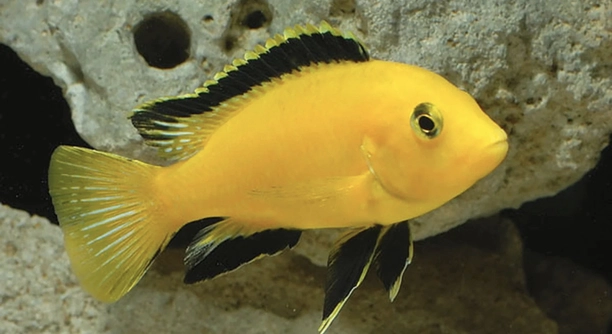
Cichlids are popular aquarium fish known for their bright colors and interesting behaviors. Many fish keepers wonder about the nature of their relationships, especially how they choose and stay with their mates. These fish often show complex social interactions that catch the attention of hobbyists.
Cichlids do not typically form lifelong mating bonds, but some species may maintain pair bonds through a breeding season or until their offspring are independent. These bonds are usually practical for reproduction rather than lasting emotional attachments.
Learning about cichlid mating habits can help aquarium owners better care for their fish and create a more natural environment in their tanks. Understanding these behaviors offers insight into their social world.
How Cichlids Choose Their Mates
Cichlids often select their mates based on specific signals like color, size, and behavior. Bright colors usually indicate good health and strong genetics, which attracts potential partners. In some species, males perform displays or build nests to gain the attention of females. This selection process helps ensure that the offspring have the best chance to survive. Once a pair forms, they usually work together to defend their territory and care for their young. However, the bond is more about cooperation during breeding rather than a deep, lifelong connection. Different species show varying levels of commitment, but the main focus remains on successful reproduction. These behaviors can be fascinating to watch, especially in a well-maintained aquarium where the fish feel safe and comfortable.
Pair bonds in cichlids tend to last only through one breeding cycle, not permanently.
Understanding mate choice gives insight into how to support natural behaviors in captive cichlids and create a healthy tank environment where they thrive.
Caring for Paired Cichlids in an Aquarium
Keeping paired cichlids requires attention to their space and environment. They need enough room to establish territories and build nests. Overcrowding or aggressive tank mates can stress them and break their bond. Providing hiding spots and maintaining water quality helps keep them calm and focused on breeding. Observing their behavior closely allows you to notice signs of stress or aggression early, so adjustments can be made quickly. It’s important to feed them a balanced diet to support their energy during this demanding time. While their bond may not be for life, caring properly for pairs enhances their chance to reproduce successfully and can make your aquarium more lively and engaging.
Signs of a Strong Pair Bond
Strong cichlid pairs show cooperation during breeding and defend their territory together. They share responsibilities like guarding eggs and fry.
Cichlids working as a team often stay close to each other and synchronize their movements. Both parents may take turns fanning the eggs to provide oxygen and protecting them from predators or other fish. This shared effort improves the survival chances of their young. When one partner leaves or acts aggressively, it often signals a weakening bond or the end of their pairing. Watching these signs can help in managing breeding pairs in your aquarium.
Even without lifelong bonds, these cooperative behaviors show that cichlids can form meaningful connections during critical times.
Impact of Environment on Pair Bonds
The environment strongly affects how cichlids bond and breed. Clean water, proper tank size, and hiding spots reduce stress and encourage bonding.
Stress from poor conditions can cause pairs to break apart or become aggressive. A cramped tank or rough tank mates may push fish to compete rather than cooperate. On the other hand, providing space for territory and nesting encourages natural behavior and cooperation. Environmental stability helps maintain the pair bond long enough for successful breeding.
A healthy environment supports both the physical and social needs of cichlids, making their interactions more balanced and productive. Ensuring proper conditions is key to observing natural pairing behavior.
Common Challenges in Maintaining Pair Bonds
Aggression between mates can disrupt bonding. Stress from environmental changes also affects their connection.
Sometimes one fish may become dominant or territorial, leading to fights. Sudden changes in water quality or tank setup can cause stress that breaks the pair bond.
How to Support Breeding Success
Providing a stable environment with plenty of hiding spots is important. Feeding high-quality food helps keep the pair healthy and ready to breed. Observing their behavior daily allows quick action if problems arise, improving chances of successful breeding.
Differences Among Cichlid Species
Not all cichlids form the same type of pair bonds. Some species show strong cooperation, while others breed more independently.
Understanding your specific cichlid species helps in managing their breeding and social needs more effectively.
FAQ
Do cichlids mate for life?
Cichlids generally do not mate for life. Their bonds usually last for a single breeding season or until their young are independent. These bonds are based on reproductive needs rather than lasting emotional attachment. After the breeding cycle, pairs often separate or may even become aggressive toward each other.
How long do cichlid pairs stay together?
The duration of cichlid pair bonds varies by species but typically lasts from a few weeks to several months. During this time, they cooperate to protect and care for their eggs and fry. Once the young are old enough, the pair may split and look for new mates.
Can cichlids form strong pair bonds in an aquarium?
Yes, some cichlids can form strong pair bonds in captivity, especially if their environment supports natural behaviors. Proper tank size, clean water, and minimal stress increase the chances of stable pair bonds. However, these bonds still tend to be temporary and focused on breeding.
What behaviors show a cichlid pair is bonded?
Bonded pairs often stay close together, defend territory jointly, and take turns caring for eggs or fry. They may swim side by side and show less aggression toward each other compared to other fish. These cooperative behaviors indicate a functional breeding pair.
Why do some cichlid pairs break up?
Pairs may break up due to stress, changes in environment, or dominance struggles. Poor water quality, overcrowding, or aggressive tank mates can cause stress that disrupts bonding. Sometimes one partner becomes too aggressive or loses interest in breeding, leading to separation.
How can I help my cichlids bond?
Provide a stable, clean environment with plenty of space and hiding spots. Avoid sudden changes in water conditions or tank setup. Feeding a balanced diet and minimizing aggressive tank mates also supports bonding. Regularly observe behavior to catch issues early.
Do all cichlid species form pairs?
Not all cichlids form pairs. Some species are more solitary or form loose groups. Many species do pair for breeding, but the strength and length of bonds vary widely. It’s important to research the specific species you keep to understand their social habits.
Can cichlids recognize their mates?
Cichlids can recognize their partners during the breeding period through behavior and visual cues. This recognition helps coordinate parental care and territory defense. After breeding, recognition often fades, and pairs may separate or compete.
Do cichlid parents both care for their young?
In many species, both parents share responsibilities such as guarding eggs, fanning to provide oxygen, and protecting fry from predators. This teamwork increases offspring survival. In some species, one parent may take on more care, but generally, both contribute during early stages.
What happens if one parent dies or is removed?
If one parent is removed, the other may continue caring for the young but often with less success. Some cichlids will abandon the brood if their mate disappears. It can increase stress on the single parent and reduce the survival chances of the fry.
How important is tank size for bonding cichlids?
Tank size is very important. Cichlids need enough room to establish territories and build nests. A cramped tank can increase aggression and stress, breaking pair bonds. Larger tanks help reduce conflicts and encourage natural behaviors.
Can cichlids bond with multiple mates?
Cichlids generally do not form bonds with multiple mates at the same time. They focus on one partner during breeding. After a cycle ends, they may seek new mates, but simultaneous multiple pairings are rare.
Is aggression normal between paired cichlids?
Some aggression is normal, especially during territory defense. However, excessive fighting between mates signals stress or a failing bond. Keeping the environment stable and reducing triggers can minimize aggression.
What role does diet play in bonding?
A healthy, balanced diet supports the energy needs of breeding pairs. Proper nutrition helps maintain vibrant colors and strong health, which are important for attracting mates and caring for young. Poor diet can weaken bonds and reduce breeding success.
Can changing tank mates affect cichlid bonds?
Yes, adding aggressive or territorial tank mates can stress bonded pairs and cause separation. Choosing compatible species and avoiding overcrowding helps maintain peaceful bonds.
How do I know if my cichlids are breeding successfully?
Successful breeding is shown by eggs being laid, guarded, and then fry swimming freely. Parents will protect and care for their young actively. Monitoring behavior closely helps confirm breeding progress.
Are there signs of stress in paired cichlids?
Signs include hiding, loss of color, lethargy, and increased aggression. Stress often leads to broken bonds or abandoned eggs. Maintaining water quality and a calm environment reduces these risks.
What if my cichlids fight constantly?
Constant fighting usually means the tank is too small or the fish are incompatible. Separating aggressive pairs or increasing tank size often helps. Sometimes pairs just don’t match and should be housed separately.
Can cichlids form bonds outside of breeding?
Bonds outside of breeding are rare and usually short-lived. Most pair bonds serve reproductive purposes and dissolve once the cycle is complete.
How do cichlids communicate during bonding?
They use body language, color changes, and movements to communicate readiness to mate and coordinate care. These signals help maintain the bond and protect their territory.
What should I avoid to keep pair bonds stable?
Avoid sudden changes in water temperature, poor water quality, overcrowding, and aggressive tank mates. Also, avoid frequent disturbances near the tank, which can stress the fish and harm their bond.
Cichlids are interesting fish that show many unique behaviors, especially when it comes to mating. While they do form pairs to breed, these bonds are usually temporary and focused on raising their young. Unlike some animals that mate for life, cichlids tend to stay together only as long as needed to protect and care for their eggs and fry. After this period, they may separate or even become aggressive toward one another. Understanding this helps aquarium owners set realistic expectations about how these fish behave in a home tank.
Creating the right environment is key to supporting cichlids during their breeding phase. They need enough space to establish territories and build nests, clean water to stay healthy, and a calm tank to reduce stress. Providing hiding places and controlling tank mates also helps reduce conflicts. When conditions are right, cichlids show more natural behaviors, including cooperating as a pair to care for their young. Good nutrition plays an important role as well, giving the fish the energy they need to breed successfully. Watching their behavior closely allows owners to notice signs of bonding or stress and take action if needed.
It’s important to remember that every cichlid species is different. Some form stronger pair bonds than others, and their social habits can vary widely. Doing research on the specific type of cichlid you have can make a big difference in how you care for them. Even though cichlids usually don’t mate for life, their temporary bonds during breeding are still fascinating to observe. Learning about these behaviors not only improves the well-being of your fish but also makes keeping cichlids a more rewarding experience.

Hello,
If you enjoy the content that we create, please consider saying a "Thank You!" by leaving a tip.
Every little bit helps us continue crafting quality advice that supports the health, happiness, and well-being of pets around the world, for pets of all shapes, sizes, and species.
We really appreciate the kindness and support that you show us!