
Many aquarists notice changes in their cichlids’ behavior as they settle into a new tank environment. Observing these shifts can help identify when a fish starts to assert control within its group or territory. Recognizing early signs is important for tank harmony.
Dominance in cichlids is shown through specific behaviors such as increased territorial aggression, displaying vibrant colors, chasing or nipping other fish, and controlling feeding areas. These actions establish a social hierarchy, often leading one fish to become the clear leader in the tank.
Knowing these clues helps maintain a balanced community and reduces stress for all fish. This guide outlines key behaviors indicating dominance in cichlids.
Signs of Increased Territorial Behavior
When a cichlid becomes dominant, it often claims specific areas of the tank as its territory. You might notice it patrolling certain spots more frequently or chasing other fish away from hiding places and decorations. This behavior can be subtle at first but becomes more obvious over time. The dominant cichlid uses these areas to feed, rest, and display itself. It might also dig or move substrate around to mark its space. This territoriality is a natural way to establish control and prevent other fish from encroaching on its area. Watching how your cichlid interacts with the environment can give clear clues about its rising dominance.
Territorial aggression is a key indicator of dominance in cichlids. This behavior signals their attempt to control resources and space within the tank.
Understanding territorial behavior helps you manage tank dynamics and reduce conflicts among your fish, keeping the environment stable and comfortable for all inhabitants.
Changes in Color and Display
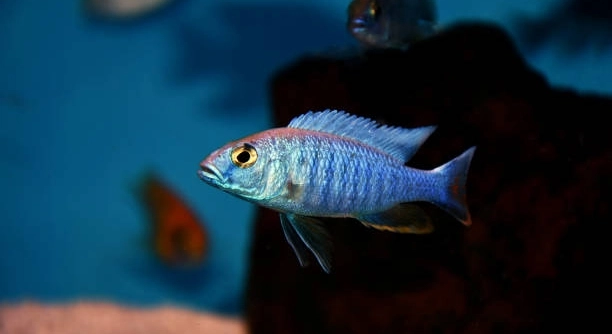
Dominant cichlids often show more intense and vibrant colors. These bright displays are not just for beauty—they signal strength and health to other fish. You might see your cichlid’s colors deepen or patterns become more distinct as it rises in rank. This change is a visual way to communicate dominance without constant fighting. Along with color changes, dominant cichlids may raise their fins or perform specific movements to appear larger and more threatening. These displays serve as warnings to others to keep their distance. The increased color and posture are both signs of confidence and control, and they help maintain the social order in the tank. Keeping an eye on these shifts can help you spot the dominant fish early and adjust your tank setup if needed.
Increased Aggression Toward Tank Mates
Dominant cichlids often become more aggressive, especially toward weaker or similarly sized fish. This aggression can include chasing, nipping, and blocking access to food or hiding spots.
This aggressive behavior helps the dominant fish maintain its status in the tank hierarchy. It may target specific tank mates repeatedly, making it clear who controls the space. Sometimes this aggression causes stress or injury to other fish, so it’s important to watch closely. If aggression becomes too intense, it may be necessary to separate fish or rearrange the tank to reduce conflict.
Aggression also shows the dominant cichlid’s confidence in defending its place. This behavior is normal but can disrupt tank harmony if not managed well. Recognizing these patterns early helps maintain a peaceful aquarium environment.
Control Over Food and Feeding Times
Dominant cichlids usually take priority during feeding, often rushing to the food first and eating more than others. They may block other fish from accessing the feeding area.
This behavior ensures the dominant fish gets enough nutrition to maintain its status. It may even push or chase others away during feeding, showing clear control. Watching feeding habits closely can reveal shifts in dominance before more obvious behaviors appear.
Managing feeding can help reduce stress. Offering food in multiple spots or feeding smaller amounts frequently can prevent one fish from dominating meal times. This strategy supports fairness and health among all tank inhabitants.
Guarding Nesting Sites
Dominant cichlids will guard specific areas where they plan to breed or lay eggs. This guarding behavior is strong and persistent.
They may chase away any fish that come too close, protecting their chosen spot with great intensity.
Increased Chin and Body Nodding
Nodding movements, especially with the chin and body, become more frequent in dominant cichlids. This is a form of communication used to show strength and warn others.
These movements reinforce the fish’s status without needing to engage in constant physical fights.
Changes in Swimming Patterns
Dominant cichlids often swim with more confidence and slower, deliberate movements. They patrol their territory and appear less fearful of other fish.
This change helps them show control over their environment and maintain their dominant role.
FAQ
How can I tell if my cichlid is just being playful or actually becoming dominant?
Playful behavior usually involves short bursts of chasing or quick movements without lasting aggression. A dominant cichlid, however, shows consistent guarding of territory, repeated chasing, and control over food or space. The difference is in the frequency and intensity. Dominance is more persistent and focused on keeping other fish away.
Is it normal for dominant cichlids to be aggressive all the time?
While dominant cichlids tend to be more aggressive, constant fighting is not typical or healthy. Healthy dominance means occasional displays and asserting control without continuous attacks. If aggression is nonstop, it could lead to stress and injury, requiring tank changes or separation of fish.
Can tank size affect dominance behaviors?
Yes, smaller tanks often increase aggression and territorial disputes because space is limited. Larger tanks give dominant cichlids room to establish territories without constant contact. Adequate space reduces stress and helps maintain balance between fish.
What should I do if one cichlid is bullying the others too much?
Consider rearranging decorations and hiding spots to break established territories. Adding more plants or rocks can provide refuge for less dominant fish. If bullying continues, separating the aggressive fish or increasing tank size might be necessary to protect all inhabitants.
Are dominant cichlids always the biggest fish?
Not always. Size often helps a fish become dominant, but behavior and confidence matter just as much. Some smaller cichlids can show strong dominance if they are bold and assertive.
Does dominance affect breeding in cichlids?
Yes, dominant cichlids usually control nesting sites and have better access to mates. Their behavior during breeding becomes more protective, and they guard eggs or fry aggressively. Dominance ensures their offspring have a safer environment.
How can I reduce stress caused by dominance struggles?
Maintain good water quality, provide plenty of hiding spaces, and feed regularly. Keeping the environment stable and balanced helps reduce tension. Monitoring fish behavior and acting early on signs of aggression also helps keep stress low.
Can dominance cause health problems in cichlids?
Excessive stress from dominance fights can weaken immune systems, leading to illness. Injuries from nipping or chasing can also create infection risks. Careful observation and tank management are key to preventing health issues related to dominance.
Is it possible for the dominant cichlid to change over time?
Yes, dominance can shift if another fish becomes more confident or if the dominant fish weakens due to age or illness. Changes in tank conditions or introducing new fish can also affect the hierarchy.
Should I separate dominant cichlids from others?
Separation is sometimes necessary if aggression causes harm or stress. However, dominance is a natural behavior, and removing a dominant fish may disrupt the tank’s social structure. Try habitat adjustments before choosing separation.
Final Thoughts
Understanding when a cichlid is becoming dominant helps keep your aquarium peaceful and healthy. Dominance is a natural part of cichlid behavior and plays a key role in how they interact with one another. Recognizing the signs, such as territorial guarding, aggression, color changes, and control over food, allows you to manage their environment better. This knowledge can prevent conflicts and help maintain a balanced tank where all fish can thrive. It also gives insight into the social structure that develops among your cichlids over time.
Managing dominant behavior often involves simple steps like adjusting tank decorations, providing hiding places, and ensuring there is enough space. Feeding strategies can also make a difference by reducing competition during meal times. Sometimes, making these changes early can prevent stress and injury among your fish. Watching your cichlids carefully lets you spot changes in behavior before problems grow. Keeping a close eye on their interactions ensures you can make the right decisions for their well-being and keep the tank environment stable.
Dominance in cichlids is not something to fear but rather something to understand. It reflects natural instincts and social order within the tank. With proper care and attention, you can support your fish through these changes, ensuring they remain healthy and comfortable. Learning about dominance strengthens your ability to provide the best home for your cichlids. It also deepens your connection with them, making aquarium keeping a more rewarding experience overall.

Hello,
If you enjoy the content that we create, please consider saying a "Thank You!" by leaving a tip.
Every little bit helps us continue crafting quality advice that supports the health, happiness, and well-being of pets around the world, for pets of all shapes, sizes, and species.
We really appreciate the kindness and support that you show us!