
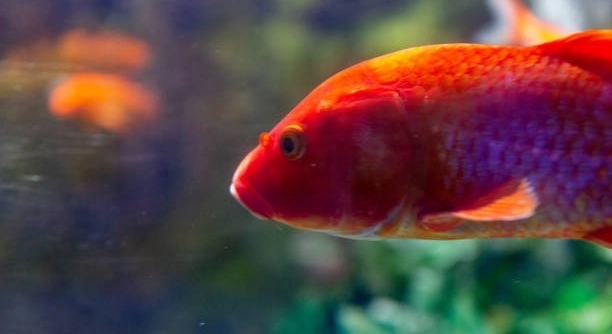
African cichlids are popular freshwater fish admired for their vibrant colors and unique behaviors. Many hobbyists enjoy keeping them but sometimes face challenges with water conditions that affect these fish. Understanding these issues is key to their care.
African cichlids require specific water parameters including pH, hardness, and cleanliness. Fluctuations or improper levels in these factors can cause stress, illness, or even death. Addressing seven common water issues will help maintain a stable environment for these species.
These water concerns may seem complex, but learning about them can improve your cichlids’ health and well-being in your aquarium.
pH Level Fluctuations
Maintaining the right pH level is crucial for African cichlids. These fish prefer alkaline water, typically between 7.8 and 8.6. When pH drops or rises outside this range, it can cause stress and weaken their immune system. Sudden changes in pH, rather than slow shifts, are especially harmful. Common causes include improper substrate, overfeeding, or lack of regular water changes. Testing the water frequently helps catch issues early. Using buffering agents designed for cichlids can stabilize pH. Keeping the tank environment consistent reduces stress and supports healthy behavior. Avoid introducing new water without checking its pH first. A stable pH creates a healthier habitat where your fish can thrive without unnecessary strain.
Low or unstable pH can lead to poor health and even death in African cichlids if left uncorrected over time.
Keeping pH steady requires regular monitoring and careful water changes. Use appropriate chemicals to adjust levels gradually. Avoid mixing water sources with different pH values. Natural elements like limestone can help maintain alkalinity. Being proactive ensures your cichlids remain vibrant and active.
Hardness and Mineral Content
Water hardness is another essential factor. African cichlids thrive in hard water rich in calcium and magnesium, which helps maintain their skeletal strength and coloration. Soft water can cause their scales to fade and lead to health problems. The general hardness (GH) should ideally be between 10 and 20 dGH. Carbonate hardness (KH) also matters because it stabilizes pH. Low KH causes pH swings, stressing the fish. To manage hardness, use water additives or choose a suitable source water. Regular testing will guide adjustments and keep your aquarium balanced. Avoid using distilled or reverse osmosis water alone, as it lacks minerals. Mixing mineral-rich water with purified water can achieve the right hardness. By maintaining proper hardness levels, you support your cichlids’ well-being and natural coloring.
Ammonia and Nitrite Levels
Ammonia and nitrite are toxic to African cichlids even in small amounts. Regular testing is essential to prevent buildup. Both should always be at zero for a healthy tank environment.
Ammonia is produced from fish waste, uneaten food, and decaying plants. When ammonia accumulates, it damages gills and causes breathing difficulties. Nitrite forms as beneficial bacteria convert ammonia during the nitrogen cycle, but it remains harmful until fully converted to nitrate. Elevated nitrite levels can lead to poisoning, stressing or killing fish. To keep these chemicals in check, perform regular partial water changes and avoid overfeeding. Proper filtration and cycling of a new tank before adding fish will help establish the right bacterial colonies. Monitoring water chemistry consistently ensures the tank stays safe and your cichlids remain healthy.
Even small spikes in ammonia or nitrite can cause severe health problems. Using test kits and acting quickly when levels rise protects your fish from harm and keeps their environment balanced.
Temperature Stability
African cichlids prefer water temperatures between 75°F and 82°F. Sudden temperature changes cause stress and weaken their immune system. Use a reliable heater and thermometer to maintain stability. Avoid placing the tank near windows or vents that cause temperature fluctuations. Consistent temperature supports normal metabolism, digestion, and activity. If temperatures drop too low or rise too high, fish may become lethargic or more susceptible to disease. Adjust the heater gradually to prevent shocks, especially during seasonal changes. Checking temperature daily can prevent unnoticed shifts. Stable temperature helps cichlids stay vibrant and healthy over time, supporting overall well-being.
Nitrate Buildup
Nitrate is less toxic than ammonia or nitrite but can still harm African cichlids if it accumulates. Regular water changes keep nitrate levels under control and prevent long-term health issues.
High nitrate levels can cause stress, weaken the immune system, and promote algae growth. Keeping nitrates below 20 ppm is ideal for cichlid tanks.
Water Clarity and Filtration
Clear water is important for cichlids, but clarity alone doesn’t guarantee quality. Proper filtration removes harmful substances and maintains healthy water conditions. Mechanical, biological, and chemical filtration work together to keep water clean and safe for your fish.
Chlorine and Chloramine
Tap water often contains chlorine or chloramine, which are harmful to African cichlids. Using a water conditioner neutralizes these chemicals before adding water to the tank, protecting fish from damage.
FAQ
What causes sudden deaths in African cichlids despite proper care?
Sudden deaths often result from unnoticed water quality issues. Even slight changes in pH, ammonia, nitrite, or nitrate can quickly affect cichlids. Stress from rapid temperature changes or aggressive tank mates may also weaken their immune system. Regular water testing and consistent tank maintenance reduce these risks.
How often should I test water parameters for my cichlids?
Testing water weekly is recommended, especially for pH, ammonia, nitrite, and nitrate. New tanks require more frequent checks until the nitrogen cycle stabilizes. Regular monitoring helps detect early problems before they harm your fish.
Can I mix African cichlids with other fish species?
It is best to keep African cichlids with similar species. Their aggressive nature and specific water needs make mixing difficult. Choosing compatible fish helps reduce stress and territorial fights.
What is the best way to adjust pH in a cichlid tank?
Use commercial pH buffers designed for African cichlids. Adjust levels gradually to avoid stressing the fish. Adding crushed coral or limestone to the substrate also helps raise and stabilize pH naturally.
How do I control algae growth in my aquarium?
Excess nitrates and light encourage algae. Regular water changes, proper feeding, and controlling light exposure reduce algae problems. Adding algae-eating fish or snails can help maintain balance.
Why are my cichlids losing color or looking dull?
Poor water quality, improper pH, low hardness, or inadequate diet often cause fading colors. Ensuring stable water parameters and providing a balanced diet rich in vitamins can restore their natural vibrancy.
What is the safest way to introduce new fish?
Quarantine new fish for two weeks before adding them to the main tank. This practice prevents the spread of diseases. Slowly acclimate the new fish to your tank water to minimize shock.
How much should I feed my African cichlids?
Feed small amounts two to three times daily, only what they can eat in a few minutes. Overfeeding pollutes the water and leads to health problems. Vary their diet with pellets, flakes, and occasional live or frozen foods.
What signs indicate poor water quality in my tank?
Signs include lethargy, loss of appetite, gasping at the surface, clamped fins, and unusual swimming behavior. Regular water tests confirm if chemical levels are unsafe. Acting quickly can prevent serious harm.
How can I maintain stable water hardness?
Use mineral supplements or natural substrates like crushed coral to maintain proper hardness. Avoid using soft water sources alone. Regular testing guides adjustments to keep mineral levels consistent for your cichlids’ health.
These common questions cover key concerns about water conditions affecting African cichlids. Staying informed and proactive will help keep your aquarium environment balanced and your fish thriving.
African cichlids need a stable and balanced environment to live healthy lives. Water quality is one of the most important factors in their care. Keeping an eye on water parameters like pH, hardness, temperature, and chemical levels helps prevent many common problems. When these factors are within the right range, cichlids can show their natural colors and behaviors without stress. Regular water testing and maintenance are necessary to keep the tank safe and comfortable for these fish.
Water issues can be confusing because they often have subtle signs at first. Small changes in water chemistry can quickly become bigger problems if not addressed. It is important to act early when noticing any unusual fish behavior or water changes. Using proper filtration, performing regular water changes, and avoiding overfeeding are simple but effective ways to maintain water quality. Taking these steps supports the fish’s immune system and overall well-being, reducing the chances of disease or death.
Understanding the specific needs of African cichlids helps create a healthy aquarium. These fish are sensitive to changes and require care that matches their natural habitat conditions. Paying attention to water hardness, pH stability, temperature, and chemical safety will ensure a thriving environment. With patience and regular care, your cichlids can live longer and be more vibrant. Keeping these water issues in mind is essential for any cichlid keeper wanting the best for their fish.

Hello,
If you enjoy the content that we create, please consider saying a "Thank You!" by leaving a tip.
Every little bit helps us continue crafting quality advice that supports the health, happiness, and well-being of pets around the world, for pets of all shapes, sizes, and species.
We really appreciate the kindness and support that you show us!