
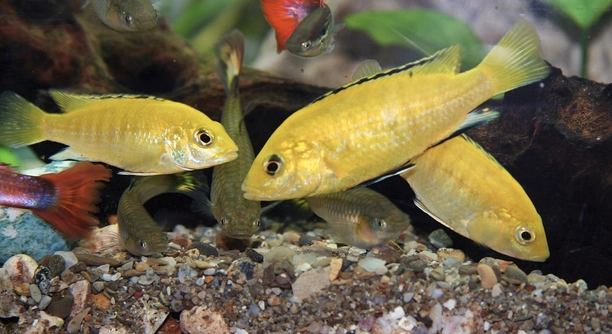
Cichlids are popular freshwater fish known for their vibrant colors and active behavior. Sometimes, these fish seem to ignore each other even when kept in the same tank. Understanding why this happens can help improve their care and environment.
Cichlids might ignore each other due to factors such as tank size, territorial behavior, social hierarchy, stress levels, species compatibility, breeding cycles, or health issues. Each reason impacts their interaction patterns, affecting how they coexist peacefully or avoid confrontation.
Recognizing these causes can guide better aquarium management and promote a balanced environment for your cichlids to thrive and interact naturally.
Tank Size and Space Limitations
Cichlids need enough space to swim and establish territories. In a small tank, they may avoid each other simply because there is not enough room to interact comfortably. Overcrowding can increase stress, making fish retreat to their own corners. Each cichlid tries to claim a space to feel safe, and if the tank is too cramped, ignoring others becomes a natural response. Providing ample space allows them to move freely and reduces tension. A larger tank encourages more natural behaviors and interaction among cichlids.
When fish have room to spread out, they are less likely to ignore one another. Space helps reduce conflicts and promotes healthy social behavior.
Proper tank size is crucial for cichlid wellbeing. Too little space causes stress and withdrawal, while enough room supports healthy social interaction and reduces aggression.
Territorial Behavior
Cichlids are territorial by nature. They often guard specific areas, especially during breeding or resting periods. When one fish claims a spot, others may avoid entering to prevent conflict. This behavior can look like ignoring but is a way to keep peace and avoid injury. Territories help cichlids feel secure, so respecting boundaries is common in their interactions.
Territorial instincts cause cichlids to respect personal space.
These fish use territory to establish order within the tank. Dominant individuals usually control prime spots, while others stay clear to avoid fights. Territorial behavior varies by species; some are more aggressive in defending their area, while others are more tolerant. This natural instinct reduces direct confrontations but also limits interaction. Observing these behaviors helps understand why cichlids might seem distant or uninterested in each other. Ensuring the tank has enough hiding places and decorations can create multiple territories, reducing stress and encouraging peaceful coexistence. Creating these boundaries lets each fish feel secure without constant competition, which benefits their health and behavior. Proper management of territories is key to a harmonious aquarium environment.
Social Hierarchy and Pecking Order
Cichlids establish a clear social hierarchy to maintain order. Lower-ranking fish often avoid dominant ones to prevent conflicts. This behavior may appear as ignoring, but it’s part of their natural social structure.
The hierarchy forms quickly when cichlids are introduced to a tank. Dominant fish assert control through displays or mild aggression. Subordinate fish recognize these signals and keep their distance, minimizing direct interactions. This system reduces overall aggression and helps maintain peace within the group. Sometimes, lower-ranking fish seem invisible because they avoid eye contact or movement that might provoke the dominant fish. Understanding this can prevent misinterpreting their behavior as neglect or indifference. Social order is essential for reducing stress and creating a stable environment where each fish knows its place.
In some cases, shifts in hierarchy occur if a dominant fish is removed or new fish are added. These changes can cause temporary tension but usually settle as a new order forms. Knowing how hierarchy works helps in managing tank introductions and maintaining harmony among cichlids.
Stress and Environmental Factors
Stress can cause cichlids to withdraw and ignore each other. Poor water quality, improper temperature, or sudden changes in the environment contribute to stress, affecting their social behavior.
Stress triggers defensive behavior, making fish less active and less likely to interact. Crowded tanks, inconsistent lighting, or loud noises also add to their discomfort. When stressed, cichlids focus on survival, avoiding unnecessary encounters. Over time, this isolation can impact their health and vitality. Monitoring water parameters regularly and maintaining a stable environment is critical. Providing hiding spots helps reduce stress by giving fish safe places to retreat. Minimizing sudden changes and keeping a calm atmosphere encourages more normal interactions.
Proper care and stable conditions allow cichlids to feel secure, reducing stress-related withdrawal. This improves their overall wellbeing and encourages healthier social behaviors in the aquarium.
Species Compatibility
Not all cichlid species get along well. Some prefer solitude, while others are more social. Mixing incompatible species can cause avoidance and ignoring behaviors. Choosing species with similar temperaments helps create a more peaceful tank.
Compatible species tend to interact more naturally. When species differ greatly in behavior or size, they may avoid each other to reduce conflict.
Breeding Cycles and Behavior
During breeding, cichlids focus on protecting eggs or fry. They become more territorial and may ignore or avoid other fish to guard their offspring. This protective behavior is temporary but strong.
Breeding stress changes their social patterns. Fish may hide or act aggressively to defend their young. This reduces interaction with tank mates until the breeding period ends.
Health Issues
Illness can cause cichlids to become withdrawn and ignore others. Sick fish often hide and reduce movement, which looks like avoidance but is a sign of discomfort or weakness.
Identifying health problems early helps prevent long-term issues. Maintaining good water quality and observing behavior are key to keeping cichlids healthy.
FAQ
Why do some cichlids ignore each other completely?
Cichlids may ignore each other due to stress, territorial behavior, or social hierarchy. When fish feel threatened or unsure, they avoid contact to reduce conflict. Sometimes, limited space or incompatible species also cause them to keep distance. Ignoring each other helps maintain peace in the tank.
How can I encourage my cichlids to interact more?
Providing a larger tank with plenty of hiding spots helps. Ensure the species in the tank are compatible and have similar social needs. Maintaining good water quality and reducing stress factors also encourages natural interaction. Avoid overcrowding to minimize tension and promote healthier social behavior.
Is it normal for cichlids to be aggressive during breeding?
Yes, it is common. Breeding cichlids become protective of their eggs and fry, showing increased territoriality and aggression. This behavior can lead them to ignore or chase away other fish temporarily. Once the breeding period ends, their aggression usually decreases.
Can stress cause my cichlids to stop interacting?
Stress is a major reason for withdrawal. Poor water conditions, sudden changes, or overcrowding cause stress, making fish less active and more likely to hide. Reducing these factors by stabilizing the environment and providing hiding places can help cichlids feel safer and more social.
How does tank size affect cichlid behavior?
A small tank limits swimming space and territory, increasing stress and reducing interaction. Larger tanks provide room to establish territories and move freely, which lowers aggression and encourages social behavior. Proper tank size is essential for healthy, active cichlids.
What role does social hierarchy play in cichlid interactions?
Social hierarchy organizes the group, with dominant fish controlling territory and subordinates avoiding confrontation. This structure minimizes fights and helps maintain peace. Lower-ranking fish may appear ignored, but they are simply avoiding dominant individuals to stay safe.
Why do incompatible species tend to ignore each other?
Different species have varying temperaments and social needs. When mixed, some may avoid others to prevent stress or injury. Selecting species with similar behaviors and temperaments improves interaction and reduces ignoring behavior.
Can health problems cause cichlids to avoid each other?
Yes, sick fish often hide and become less active, which looks like ignoring tank mates. Illness weakens them and makes socializing harder. Early detection and treatment of health issues improve recovery and restore normal behavior.
What environmental factors influence cichlid social behavior?
Water quality, temperature, lighting, and noise levels impact cichlid comfort. Poor conditions increase stress and withdrawal, while stable environments encourage activity and interaction. Regular maintenance and careful monitoring keep fish healthy and social.
How long do territorial behaviors last in cichlids?
Territoriality varies by species and situation. Some defend areas only during breeding, while others maintain territories constantly. Providing enough space and hiding places helps reduce tension and allows multiple territories to coexist peacefully.
Final thoughts are important when understanding why cichlids might ignore each other. Their behavior depends on many factors, including tank size, social structure, stress levels, and species compatibility. Recognizing these reasons helps create a better environment where cichlids can feel safe and comfortable. When cichlids have enough space, proper tank conditions, and compatible companions, they are more likely to interact and show natural behaviors. Ignoring is often a sign of underlying issues that can be addressed with careful observation and adjustments.
Managing a cichlid tank requires attention to detail and patience. It is important to monitor water quality regularly and maintain a stable environment. Stress can cause fish to become withdrawn and less social, so avoiding sudden changes or overcrowding is key. Providing hiding spots and decorations can also reduce tension by allowing fish to establish territories and escape when needed. Understanding social hierarchy and territorial instincts helps avoid misunderstandings about why fish behave the way they do. Often, what seems like ignoring is simply a natural way to maintain peace and reduce conflict.
Finally, health plays a big role in social behavior. Sick or injured fish often isolate themselves, so regular health checks and prompt treatment are necessary. Observing your cichlids daily helps catch any early signs of illness or stress. When these factors are managed well, cichlids can thrive and display a healthy balance of interaction and personal space. Keeping these points in mind ensures a happier aquarium where cichlids coexist peacefully and display their vibrant personalities.

Hello,
If you enjoy the content that we create, please consider saying a "Thank You!" by leaving a tip.
Every little bit helps us continue crafting quality advice that supports the health, happiness, and well-being of pets around the world, for pets of all shapes, sizes, and species.
We really appreciate the kindness and support that you show us!